Introduction
AMD shares fell about 7% after a new report came out. A stock is a small piece of a company. The report came from a short seller. A short seller is someone who bets a stock will fall.
Key Figures
- AMD stock: down about 7%
- China and Hong Kong sales billed in fiscal 2025: $7.75 billion, or 22.4% of revenue
- Singapore sales billed in fiscal 2025: $4.28 billion, or 12.4% of revenue
What Happened
Hunterbrook Media put out the report on Thursday, November 19, 2026. Its linked fund, Hunterbrook Capital, is short AMD. That means the fund can gain if the stock falls. The report is called “AMD Has Its Own China Problem.” AMD shares fell about 7% after the report.
The report says AMD firmware kept reaching a Chinese server maker. Firmware is basic software that helps a chip start. The server maker is IEIT Systems. Hunterbrook says IEIT shipped at least six newer AMD firmware versions after March 2025. It says the newest one was on October 19, 2026.
The firmware was for AMD’s Turin EPYC server platform. A server platform is the base setup for big computers. IEIT was put on the US Entity List in March 2025. The Entity List is a US blacklist. IEIT is part of Inspur Group, which was blacklisted in March 2023.
Why It Happened
The report also names three linked sellers. They are Maginfra in China, Kaytus in Singapore, and Aivres in California. None of the three is on the Entity List. Hunterbrook says these firms sell AMD gear and also supply IEIT.
Hunterbrook also points to AMD’s sales map. AMD billed $7.75 billion to China and Hong Kong customers in fiscal 2025. That was 22.4% of its revenue. Revenue is all the money a company takes in. AMD also billed $4.28 billion, or 12.4%, to Singapore.
This story lands at a tense time for US chip firms in China. We looked at that pressure in this look at Apple and Nvidia’s China choice. New US rules also start now. An interim final rule took effect on November 19. It requires licenses for advanced AI chips shipped to Singapore, Malaysia, Indonesia, Thailand, and Brazil.
Why It Matters
These claims are allegations by a short seller. They are not findings by any regulator. CNBC did not independently verify the firmware claim. Hunterbrook itself says the records do not on their own establish a violation of export laws. It also says it does not know how IEIT got the code or whether AMD holds a license.
AMD has not been accused of wrongdoing by any authority. A short seller report can move a stock fast. But it is not proof by itself. Readers should wait for clear facts.
The stakes are high because AMD has been growing fast. Earlier this month, AMD sales jumped 45% as data center sales nearly doubled. Data centers are big buildings full of computers. Strong sales can still fall fast if trust drops. That is why this report hit the stock.
What Happens Next
Next, people will watch for a reply from AMD. They will also watch for any word from US officials. No regulator finding has been announced. The new license rules for AI chips also start on November 19. Those rules could change how chip firms sell in Asia.
Final Thoughts
A short seller made a bold claim about AMD and China. The stock fell about 7% on that claim. But no authority has accused AMD of wrongdoing.
Quick Questions
Why did AMD stock fall? It fell about 7% after a short seller report. The report claimed AMD firmware kept reaching a blacklisted Chinese server maker.
Has AMD broken export laws? No authority has said that. Hunterbrook itself says the records do not on their own establish a violation.
Who wrote the report? Hunterbrook Media wrote it. Its linked fund, Hunterbrook Capital, is short AMD and can gain if the stock falls.
Disclaimer: This article is for educational and informational purposes only and does not constitute financial advice.
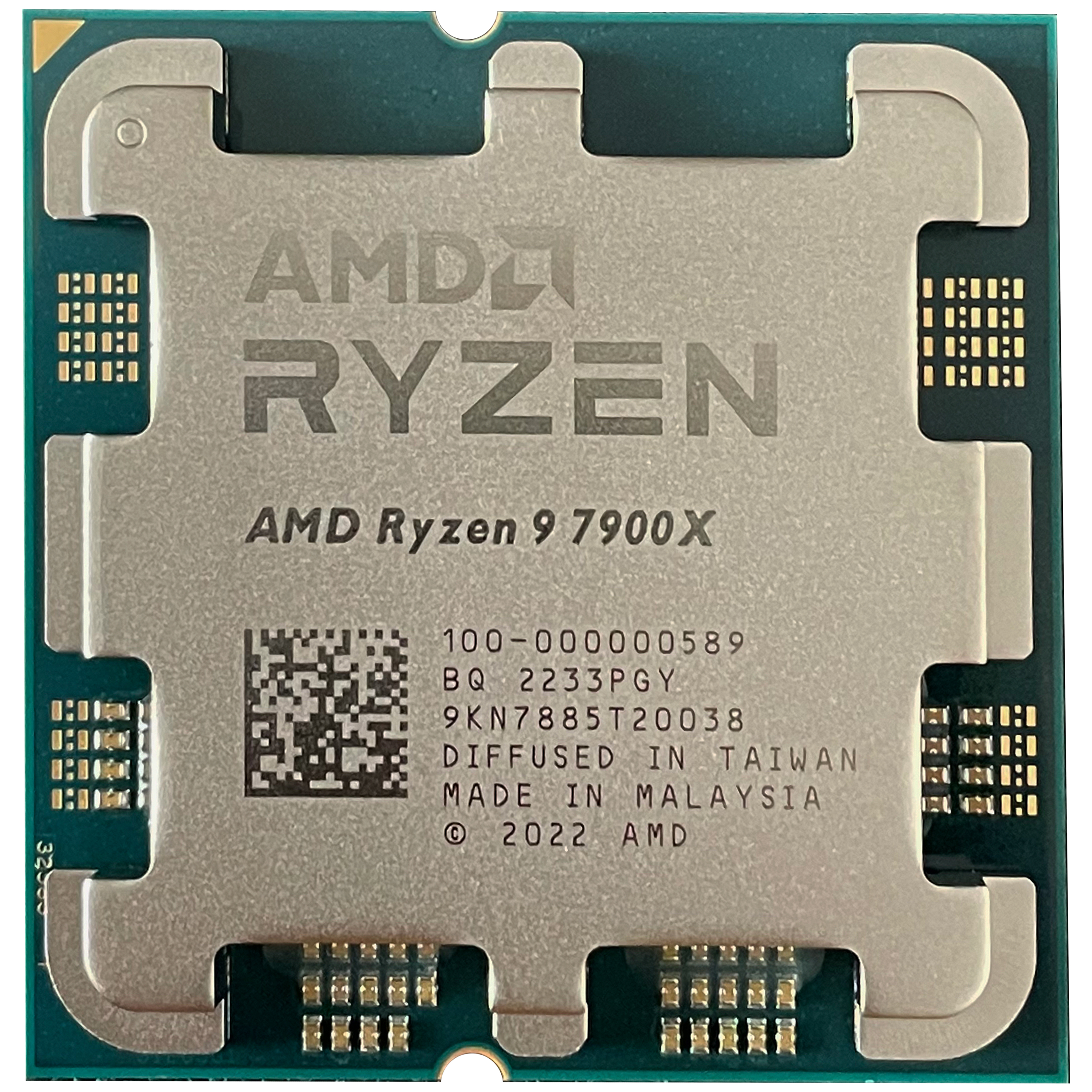
Sources: CNBC. Second sources: Longbridge, OfficeChai, KuCoin/Finwire. Photo: AMD Ryzen 9 7900X processor by CristoCalis, CC BY-SA 4.0 via Wikimedia Commons.

Leave a Reply