Category: Business News

Business stories and company news, explained in simple words.

  • Cyberattack on Fridges Hits Supermarkets Across Europe

    Cyberattack on Fridges Hits Supermarkets Across Europe

    Introduction
    Shoppers in Europe faced a strange problem this week. Fridges in supermarkets stopped working right. The cause was not a power cut. It was a cyberattack. A cyberattack is when bad actors break into computer systems on purpose. This attack hit the cooling systems that keep food fresh.

    What Happened
    On Monday, November 2, 2026, reports said supermarkets across Europe were hit. The attack targeted refrigeration systems. Refrigeration means keeping food cold. The systems were made by a company called Johnson Controls. Hackers got into those systems. That caused fridges to warm up. Some stores had to throw food away. Some stores closed cold food sections.

    Stores from large groups were affected. They include Ahold Delhaize, which runs Delhaize and Albert Heijn. They also include Colruyt. More than 100 stores were reported hit in some reports. The exact number may grow as more stores check their systems.

    Why It Happened
    Modern fridges are not just cold boxes. They are linked to computers. Workers can check them from far away. That is handy, but it also creates risk. If a hacker breaks into the control system, they can change the temperature. They can also lock workers out. Experts say the attackers may have used a weak point in the software. Software is the set of instructions that runs a computer system.

    Companies use the same systems in many stores. So one weak point can affect many places at once. That is why an attack on a supplier can spread fast.

    Why It Matters
    Food safety is the first worry. Warm fridges can spoil milk, meat, and other fresh food. Spoiled food can make people sick. Stores must throw it away to be safe. That costs money. It also wastes food.

    The attack also shows a new risk for business. A shop does not need to be a bank to be a target. Any system linked to the internet can be attacked. Small weak points can cause big trouble. Companies must guard their systems, just as they guard their doors.

    Key Figures

    • Stores reported hit: more than 100 in early reports.
    • Main system affected: refrigeration, made by Johnson Controls.
    • Large groups named: Ahold Delhaize and Colruyt.
    • Day reported: Monday, November 2, 2026.
    • Food at risk: milk, meat, and other fresh food that must stay cold.

    What Happens Next
    Stores will check their fridges and fix their systems. Some may need new software. Some may need to reset their controls. Food that warmed up will be thrown away. Shoppers may see empty cold shelves for a short time. Police and cyber experts will try to find who did the attack. Companies may also spend more on cyber safety.

    Final Thoughts
    This story is a reminder. Even a fridge can be a computer today. When computers are linked, they need strong guards. For shoppers, the lesson is to check dates and trust stores that act fast. For companies, the lesson is to fix weak points before attackers find them.

    Disclaimer: This article is for educational and informational purposes only and does not constitute financial advice.

    Sources: CNBC, https://www.cnbc.com/2026/11/02/cyberattack-on-fridges-hits-supermarkets-across-europe.html ; Reuters, https://www.reuters.com/business/european-retailers-hit-by-supermarket-fridge-hack-2026-11-02/


  • GM Will Pay $220 Million After Selling Drivers’ Private Data to Insurers

    GM Will Pay $220 Million After Selling Drivers’ Private Data to Insurers

    General Motors will pay $220 million to settle claims that it illegally sold drivers’ private driving and location data to third parties, who then sold it to insurance companies.

    The settlement, announced on Thursday, October 29, resolves claims by the attorneys general of 35 US states and the District of Columbia. It is one of the largest privacy settlements ever involving a carmaker, and it is a warning to every company that collects data from connected cars.

    What Happened

    The case centred on GM’s Smart Driver programme, which ran from 2016 to 2024. GM enrolled millions of drivers in the programme, which tracked how they drove: how many trips they took, when each trip started and ended, how often they braked hard or accelerated quickly, and whether they went over the speed limit.

    According to the states, GM sold that information to data brokers under contracts that said the data was to be used for insurance products. The brokers then sold it to insurers, who could use it to set premiums — and in some cases, raise them.

    The sharpest allegation was about consent. The states said more than 370,000 drivers were told they were not enrolled in Smart Driver when they actually were. Their data was sold anyway, and they were later unenrolled without being told about the error.

    GM did not admit wrongdoing in the way these settlements are usually structured, but a GM spokesperson said the agreement “addresses Smart Driver, a product we ended in 2024, and reinforces steps we’ve taken to strengthen our privacy practices.”

    Why It Happened

    Smart Driver was presented as a tool to help people drive more safely. The problem, according to the states, was what happened next. Drivers were not clearly told their detailed driving records would be sold for insurance use.

    The issue first became widely known in 2024, when The New York Times reported on the practice. After that reporting, GM discontinued Smart Driver. But the state investigations continued, and they ended with this $220 million settlement.

    The settlement also follows two earlier deals on the same issue. In January 2025, GM agreed with the US Federal Trade Commission not to share vehicle location and driver behaviour data with consumer reporting agencies for five years. In May 2026, GM paid $12.75 million to settle a separate California investigation into selling driver data to two data brokers.

    Why It Matters

    Your car now collects far more data than most people realise. Modern cars track location, speed, braking and even driving times. That data is valuable — insurers want it because it helps them guess who is a risky driver, and data brokers are happy to buy and sell it.

    This settlement sets a clear rule: a company cannot collect that kind of personal data and sell it on without clear, affirmative consent. “Affirmative express consent” means the driver must actively agree, not just fail to opt out of a buried setting.

    For drivers, the practical point is simple. If a car app or feature asks to track your driving, check what it does with the data and who it shares it with. A feature described as a safety tool may also be a data product.

    What Happens Next

    Under the settlement, GM must limit the driving data it collects, get drivers’ express consent before collecting or sharing driving and location data, and run a comprehensive data privacy programme with internal and outside assessments. It must also train and oversee dealerships so drivers are not signed up without agreeing.

    The money goes to the states, not directly to individual drivers. Arizona, for example, will receive $5.9 million, Pennsylvania nearly $9 million, and Colorado about $7.2 million. Drivers who believe their premiums rose because of Smart Driver data should not expect a cheque from this deal — the settlement names no individual payments.

    Other carmakers will be watching closely. If they run similar connected-car programmes, they now have a very expensive example of what happens when consent is unclear.

    Final Thoughts

    Cars used to be machines you owned. Now they are also computers that watch how you drive. That can be useful — for safety features, for maintenance, for finding your car. But the GM case shows the other side: once your driving record leaves the car, you lose control of who sees it and what they do with it. The $220 million price tag is GM’s bill for forgetting that drivers, not data brokers, should decide.

    Key figures:

    • Settlement: $220 million, announced October 29, 2026
    • Claimants: attorneys general of 35 states and the District of Columbia
    • Programme: Smart Driver, 2016 to 2024, millions of drivers enrolled
    • Drivers wrongly told they were not enrolled: more than 370,000
    • Earlier deals: FTC agreement (January 2025, five-year sharing ban); California settlement (May 2026, $12.75 million)
    • State shares (examples): Pennsylvania nearly $9 million, Colorado about $7.2 million, Arizona $5.9 million

    Disclaimer: This article is for educational and informational purposes only and does not constitute financial advice.

    Sources: CNBC business coverage of the GM settlement (October 31, 2026 edition); Reuters report on the settlement (via https://northlandnewsradio.com/2026/10/29/gm-to-pay-220-million-to-settle-allegations-it-violated-consumers-privacy/); Arizona Attorney General announcement (https://www.azag.gov/press-release/attorney-general-mayes-announces-settlement-gm-company-pay-220-million-sharing)

    Related: Cheaper Cars Are Selling Much Faster — But They Are Getting Harder to Find

  • OpenAI Cuts Its Fundraising Target to $20 Billion as AI Stock Sell-Off Spooks Investors

    OpenAI Cuts Its Fundraising Target to $20 Billion as AI Stock Sell-Off Spooks Investors

    Introduction

    OpenAI, the company behind ChatGPT, has had to scale back its fundraising plans. The company is now seeking about $20 billion from investors instead of the $30 billion it originally targeted, according to a Financial Times report on Friday, October 30. The valuation it is asking for stays at $1.25 trillion, but the smaller target is a clear sign that even the biggest name in AI is feeling the chill from the recent stock market sell-off.

    What Happened

    OpenAI first pitched investors on a $30 billion fundraising round at a $1.4 trillion valuation in September. In October, the valuation in the talks was lowered to $1.25 trillion while the amount stayed at $30 billion. Now the amount has been cut too, by about a third, to around $20 billion. The Financial Times reported that OpenAI set Friday, October 30, as the deadline for investors to commit. Even so, the first close of the round is expected to raise less than $20 billion, because some investors reduced the amounts they planned to put in. The Wall Street Journal separately reported that OpenAI has so far raised less than half of its original $30 billion target. OpenAI has not commented on the reports. A consortium of investors from the United Arab Emirates, including the state-backed technology fund MGX, is expected to be the largest participant in the round. Investment firms including Coatue, Founders Fund, Sequoia Capital and Andreessen Horowitz are also expected to take part, and wealthy individual investors are expected to be offered a later tranche at the same $1.25 trillion valuation.

    Why It Happened

    The main reason is timing. The fundraising is happening in the middle of a sharp sell-off in technology stocks. Investors who were happy to pay almost any price for AI exposure a few months ago are now asking harder questions about when all the spending on data centres and chips will turn into profit. The numbers tell the story. The Nasdaq fell 2.9% on Friday and is now down 7.8% from its record closing high on October 6. Big AI-related stocks have fallen hard this week after earnings reports revived doubts about returns on AI investment. When public tech stocks fall, private fundraising gets harder too, because investors compare the price of a private deal with what similar companies are worth on the stock market.

    Competition for money is the second reason. OpenAI has been rushing to lock in commitments before its rival Anthropic goes public in mid-November. Anthropic is reportedly aiming to raise as much as $100 billion at a $1.5 trillion valuation. Both companies are pitching many of the same investors, so money that goes to one is money the other cannot get.

    Key Figures

    • New fundraising target: about $20 billion, down from $30 billion.
    • Valuation sought: $1.25 trillion, down from $1.4 trillion pitched in September.
    • Expected first close: less than $20 billion, after some investors cut allocations.
    • Amount raised so far: reportedly less than half of the original $30 billion target.
    • Previous round: $122 billion closed in March at an $852 billion post-money valuation.
    • Rival Anthropic’s planned IPO: as much as $100 billion at a $1.5 trillion valuation, expected mid-November.
    • Nasdaq on Friday: down 2.9%, and down 7.8% from its October 6 record close.

    Why It Matters

    This matters because OpenAI is the company most investors point to when they talk about the AI boom. If even OpenAI has to accept less money than it wanted, it shows that the mood around AI has genuinely changed. It does not mean AI is finished. It means the phase where investors funded AI companies at any price is over, at least for now. It also matters for the money OpenAI needs. Building and running AI models is extremely expensive. OpenAI needs huge amounts of cash to buy computing power and build data centres. A smaller round means less room for error, and it puts more pressure on the company to show that its spending produces real revenue. For ordinary investors, the story is a useful warning sign. Private valuations often move after public markets move, not before. When a company like OpenAI trims its plans, it is usually a sign that the wider market has already turned cautious.

    What Happens Next

    The first thing to watch is the final size of the first close. If it lands well below $20 billion, that would be a stronger signal of weak demand. If later tranches, including the planned offer to wealthy individuals, fill the gap, the story looks more like a delay than a setback. The second thing to watch is Anthropic’s IPO in mid-November. If Anthropic also has to accept a lower price or a smaller raise, it will confirm that the whole AI sector is repricing. If Anthropic sails through, OpenAI’s cut will look more like a company-specific problem. The third thing is OpenAI’s own path to the stock market. The company had previously put off IPO plans until 2027. How this private round ends will shape what price it can ask for when it eventually lists.

    Final Thoughts

    A cut from $30 billion to $20 billion is still a very large fundraising round. OpenAI is not in trouble. But the direction of travel matters. A month ago, investors were competing to get into this round. Now the company is accepting less. That shift, from a sellers’ market to a buyers’ market in AI funding, is the real story here. The AI boom is not over, but the easy-money phase of it clearly is.

    Disclaimer: This article is for educational and informational purposes only and does not constitute financial advice.

    Sources: CNBC TV18, https://www.tradingview.com/news/cnbctv:80c71e14d094b:0/ ; CoinDesk, https://www.coindesk.com/business/2026/10/30/openai-reportedly-cuts-fundraising-target-amid-ai-jitters

  • Coca-Cola Raises Its Outlook Again as Global Sales Grow, but US Demand Stays Flat

    Coca-Cola Raises Its Outlook Again as Global Sales Grow, but US Demand Stays Flat

    INTRODUCTION

    Coca-Cola raised its full-year outlook for the third quarter in a row, after stronger-than-expected third-quarter results. The growth came from outside North America. At home, demand stayed flat, a reminder that even the world’s biggest drinks company is feeling pressure from cautious American consumers.

    WHAT HAPPENED

    Coca-Cola reported third-quarter revenue of $13.35 billion, up 7% from a year earlier and above the roughly $12.93 billion analysts expected. Comparable earnings per share came in at $0.91, beating the $0.87 to $0.88 consensus, and up 11% from a year earlier. Net income attributable to shareholders rose to $4.01 billion, from $3.7 billion a year earlier.

    Global unit case volume, which measures how many drinks were sold, rose 5% for the second straight quarter. But volume in North America was unchanged. Growth in trademark Coca-Cola was offset by declines in water, sports drinks, coffee and tea in the region.

    The company now expects comparable earnings per share to grow at least 11% in 2026, up from its earlier forecast of 9% to 10%. It also raised its organic revenue growth outlook to at least 5%, and its free cash flow forecast to at least $13 billion, up from about $12.4 billion.

    WHY IT HAPPENED

    The growth came from international markets. India, China, Mexico and Brazil were among the markets driving volume growth, with Latin America and Asia Pacific each recording 6% volume growth. Coca-Cola Zero Sugar was a standout, with volume up 16% across all regions. Diet Coke and Coca-Cola Light grew 6%.

    North America was flat for specific reasons as well as general ones. Chief executive Henrique Braun pointed to the timing of the Independence Day holiday and a shortage of Topo Chico sparkling water in Texas. More broadly, management said American consumers are still under pressure from inflation and economic uncertainty, and people are spending more at home than in restaurants.

    Importantly, growth came from selling more drinks, not just raising prices. Prices rose only about 1%, while volume rose 5%. That is a healthier kind of growth, because it means more people are actually buying the product.

    KEY FIGURES

    • Revenue: $13.35 billion, up 7%, vs about $12.93 billion expected
    • Comparable earnings per share: $0.91, vs $0.87 to $0.88 expected, up 11%
    • Net income: $4.01 billion, vs $3.7 billion a year earlier
    • Global unit case volume: up 5%
    • North American volume: flat
    • Coca-Cola Zero Sugar volume: up 16%
    • Comparable operating margin: 32.9%, up from 31.9% a year earlier
    • 2026 comparable EPS growth outlook: at least 11%, up from 9% to 10%
    • 2026 organic revenue growth outlook: at least 5%
    • 2026 free cash flow outlook: at least $13 billion, up from about $12.4 billion

    WHY IT MATTERS

    Coca-Cola is often seen as a test of the everyday consumer. People buy a Coke when they feel they can afford a small treat. When global sales grow but American sales stall, it tells two stories at once: demand in fast-growing markets is strong, but American shoppers are still being careful.

    The result also matters because Coca-Cola raised its outlook for the third straight quarter. Companies rarely do that unless the underlying business is genuinely improving. At the same time, the flat North American result, and a warning that consumer pressure could last into 2027, kept the share reaction muted. Shares actually fell about 1.6% on the day, showing that investors were more focused on the weak spot than the raised forecast.

    WHAT HAPPENS NEXT

    The fourth quarter will be tougher on paper. Management warned it will have six fewer days, some destocking by bottlers, and higher logistics and transport costs, including pricier packaging materials such as aluminium and PET plastic. Those are real headwinds for hitting the raised targets.

    Watch two things in the next report: whether North American volume starts growing again, and whether Coca-Cola can hold its improved profit margin while absorbing higher costs. If international growth stays strong and the US recovers even a little, the raised outlook looks safe. If the US stays flat and costs keep rising, the company will have to lean even harder on its overseas markets.

    FINAL THOUGHTS

    This was a good quarter with a clear weak spot. Coca-Cola sold more drinks around the world, made more profit per sale, and felt confident enough to raise its forecast again. But its home market is not growing, and that is the part investors will keep watching. For a company this big, the difference between flat and growing in America is the difference between a good year and a great one.

    Related post: https://thefinanceclass.wordpress.com/2026/10/30/starbucks-profit-beat-revenue-miss-us-recovery/

    Disclaimer: This article is for educational and informational purposes only and does not constitute financial advice.

    Sources: CNBC, https://www.cnbc.com/2026/10/27/coca-cola-ko-q3-2026-earnings.html; Sharecast, https://www.sharecast.com/news/international-companies/coca-cola-nyse-dow-jones-new-york-stocks-equities-snacks-beverages–23931349.html

  • Boeing Stock Falls About 9% as 737 Max Ramp-Up Slips to Late 2027

    Boeing Stock Falls About 9% as 737 Max Ramp-Up Slips to Late 2027

    INTRODUCTION

    Boeing had good news and bad news in its third-quarter results, and investors focused on the bad news. The company narrowed its loss sharply and grew revenue, but its shares fell about 9% during its earnings call. The reason was simple: Boeing said it will not significantly ramp up production of its best-selling 737 Max plane until the second half of 2027.

    WHAT HAPPENED

    Boeing reported a third-quarter net loss of $116 million, or 26 cents per share, compared with a $5.34 billion loss, or $7.14 per share, a year earlier. Revenue rose 4% to $24.19 billion, above the $23.84 billion analysts expected. Free cash flow rose to $464 million, up from $238 million a year earlier.

    But the adjusted loss per share, which strips out one-off items, was 34 cents, wider than the 21-cent loss analysts expected. And chief executive Kelly Ortberg said on the earnings call that Boeing is targeting a production rate of 52 planes a month only in the second half of 2027. The company is currently making about 47 Max planes a month.

    WHY IT HAPPENED

    The delay comes down to wings. Boeing has said that wing production is moving more slowly than expected, and stabilising production is taking longer than planned. Ortberg told CNBC that the company wants to get production right rather than go fast, saying, in effect, that everyone wants it to move faster but it will do the job properly.

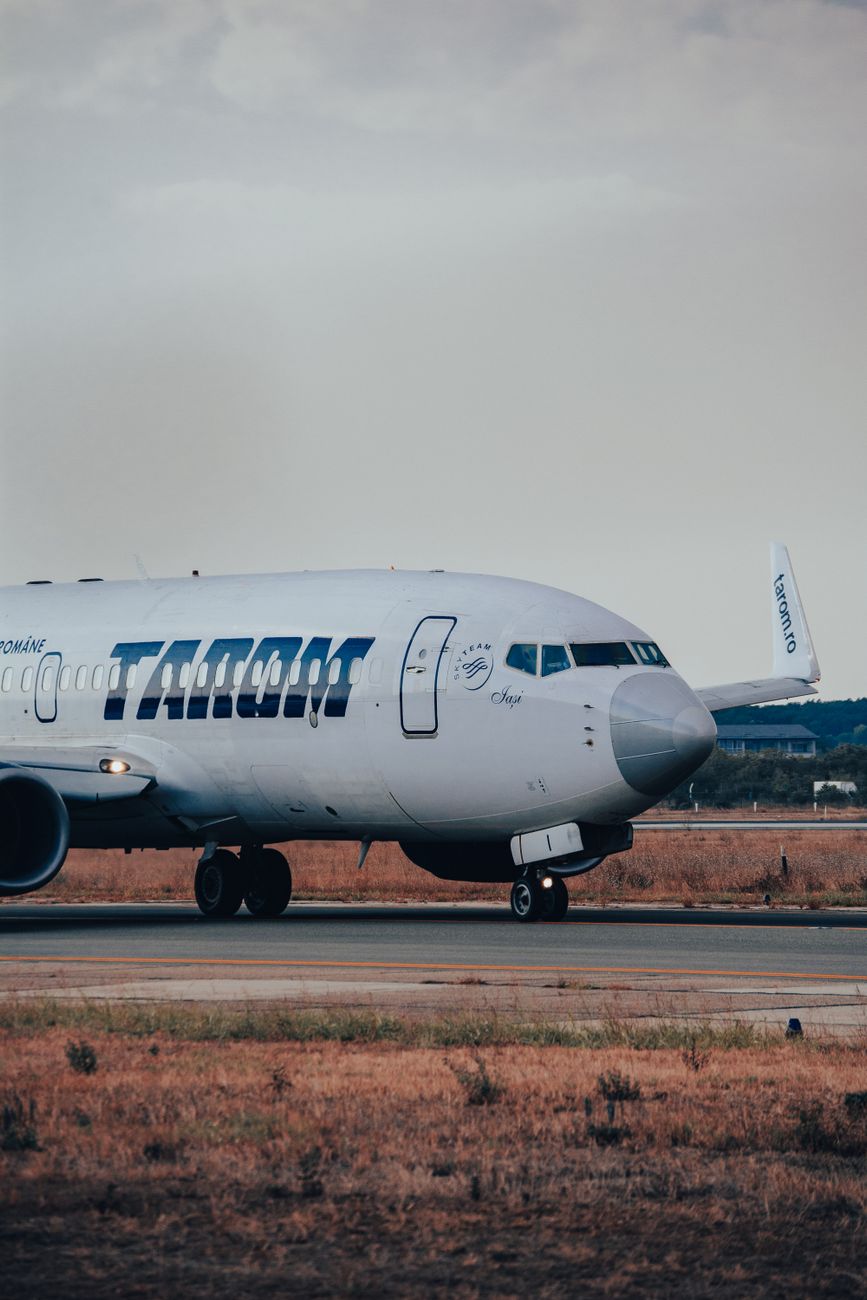
    The commercial aircraft business also struggled. Its revenue fell 3% to $10.72 billion, and it posted a negative operating margin of 6.5%, which Boeing blamed on a less favourable mix of deliveries, higher expected costs from future production changes, and higher supply chain costs. Boeing delivered 161 commercial airplanes in the quarter, just one more than a year earlier.

    The defence business was the bright spot. Defence revenue jumped 15% to $7.94 billion, which helped narrow the overall loss.

    KEY FIGURES

    • Third-quarter net loss: $116 million, vs $5.34 billion a year earlier
    • Revenue: $24.19 billion, up 4%, vs $23.84 billion expected
    • Adjusted loss per share: 34 cents, vs 21 cents expected
    • Free cash flow: $464 million, vs $238 million a year earlier
    • Commercial aircraft revenue: $10.72 billion, down 3%
    • Commercial airplanes delivered: 161
    • Defence revenue: $7.94 billion, up 15%
    • 737 Max production now: about 47 a month; target: 52 a month in the second half of 2027
    • Shares: down about 9% during the earnings call

    WHY IT MATTERS

    Boeing only makes most of its money on a plane when it delivers it to an airline. That is why production speed matters so much. A delay of several months in ramping up from 47 to 52 planes a month means fewer deliveries, less cash coming in, and a slower recovery.

    It also matters for airlines. Many airlines are waiting for new 737 Max planes to grow their fleets and replace older aircraft. If Boeing delivers more slowly, airlines may have to keep older planes flying longer or wait longer to add routes.

    WHAT HAPPENS NEXT

    There was one piece of good regulatory news. The Federal Aviation Administration signed off on the 737 Max 10, after approving the 737 Max 7 in August. Those were the final certifications for the Max family. But certification is not the same as delivery, and Boeing still needs to prove it can build planes steadily at higher rates without quality problems.

    Investors will now watch three things: whether Boeing can stabilise production at 47 planes a month, whether wing output improves, and whether free cash flow keeps growing. Boeing expects to deliver 30 pre-built 737-7 and 737-10 aircraft starting in 2027, which could help cash flow in 2028 and beyond. But that is still a long way off.

    FINAL THOUGHTS

    Boeing’s quarter shows a company making real progress and still disappointing the market at the same time. The loss is much smaller, revenue beat expectations, and cash flow improved. But in the aircraft business, promises about future production matter as much as today’s numbers. Until Boeing can show it can build planes faster, and safely, investors will keep treating every delay as a reason to sell.

    Related post: https://thefinanceclass.wordpress.com/2026/10/30/ford-beats-earnings-2027-profit-flat-costs/

    Disclaimer: This article is for educational and informational purposes only and does not constitute financial advice.

    Sources: CNBC, https://www.cnbc.com/2026/10/27/-boeing-ba-q3-2026-earnings.html; PrimeXBT, https://primexbt.com/news/boeing-stock-falls-9-as-737-max-ramp-up-slips-to-late-2027/

  • Cruise Lines Split on Fuel Costs: Carnival Cuts Use, Rivals Hedge Prices

    Cruise Lines Split on Fuel Costs: Carnival Cuts Use, Rivals Hedge Prices

    INTRODUCTION

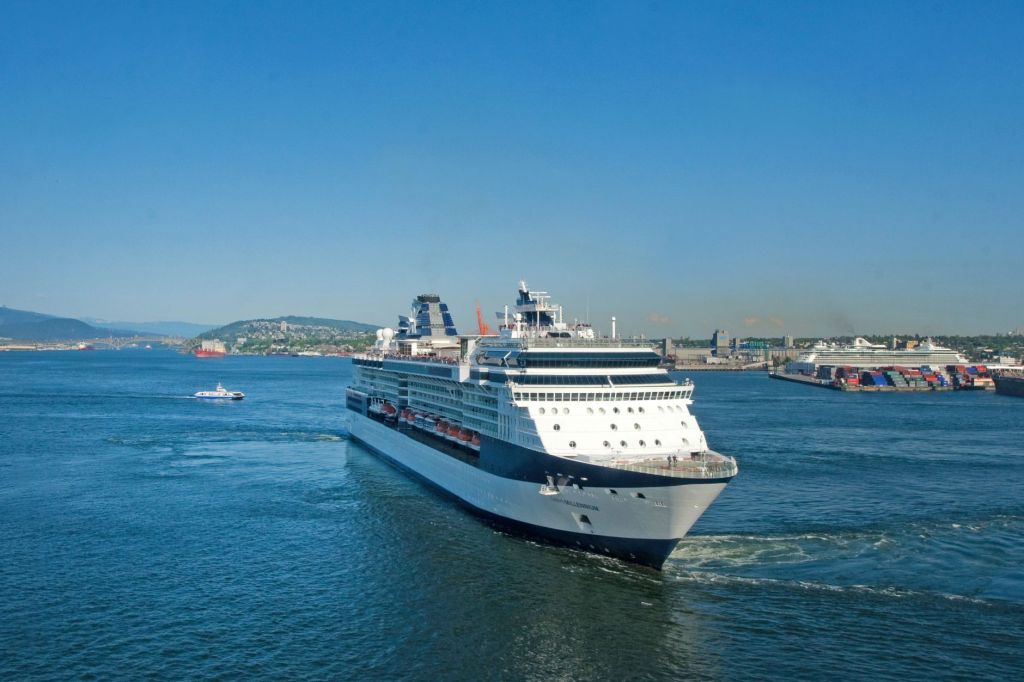
    Fuel is one of the biggest costs for a cruise company, and fuel prices have risen sharply this year. Yet Carnival, Royal Caribbean and Norwegian Cruise Line Holdings all reported strong third-quarter earnings. The interesting part is not just that they did well. It is that they got there in completely different ways.

    WHAT HAPPENED

    All three companies beat expectations in their latest quarters despite higher fuel prices. Carnival reported record net income of $1.9 billion. Royal Caribbean beat earnings-per-share expectations, though it narrowly missed on revenue. Norwegian beat on both revenue and earnings, reporting revenue of $2.9 billion and adjusted earnings per share of $1.12.

    Oil prices have risen sharply since mid-year. Brent crude, a global benchmark, settled at $116.72 per barrel on a recent trading day, a six-month high, driven by tensions in the Middle East. All three cruise operators expect fuel costs to keep rising in the fourth quarter.

    WHY IT HAPPENED

    The companies use two different strategies. Royal Caribbean and Norwegian use hedging. In simple terms, hedging means locking in a fuel price in advance using financial contracts, so that if market prices rise, the company is partly protected. Royal Caribbean said it is a little over 60% hedged for 2026. Norwegian has hedged about 48% of its fuel consumption for 2026.

    Carnival does the opposite. It does not hedge fuel. Instead, it tries to use less fuel. Chief executive Josh Weinstein has said that cutting fuel consumption is the best way to deal with expensive fuel, because fuel is an input cost, and using less of it directly lowers the bill. Carnival says it has cut its unit fuel consumption rate by 26% since 2019, and estimates that saved about $700 million in 2026.

    KEY FIGURES

    • Brent crude: $116.72 per barrel, a six-month high
    • Carnival third-quarter net income: $1.9 billion, a record
    • Carnival fuel spending: $615 million in the quarter, about 7.3% of revenue; $640 million projected for the fourth quarter
    • Carnival fuel consumption cut since 2019: 26%, saving an estimated $700 million in 2026
    • Royal Caribbean fuel spending: about $347 million, about 6.2% of revenue; $379 million projected for the fourth quarter
    • Royal Caribbean hedging: a little over 60% of 2026 fuel
    • Norwegian revenue: $2.9 billion; adjusted earnings per share: $1.12
    • Norwegian fuel spending: about $196 million, about 6.6% of revenue
    • Norwegian hedging: about 48% of 2026 fuel consumption

    WHY IT MATTERS

    Fuel is a good example of how there is rarely one right answer in business. Hedging protects a company when prices rise, but it costs money and can backfire if prices fall, because the company is locked into a higher price. Cutting consumption helps no matter what prices do, but it takes years of investment in more efficient ships and smarter routes.

    For passengers, the difference matters too. A company that is fully exposed to fuel prices is more likely to feel pressure to raise ticket prices or add extra charges when oil spikes. A company that has locked in prices has more breathing room, at least for a while.

    WHAT HAPPENS NEXT

    All three companies expect fuel costs to rise further in the fourth quarter. Royal Caribbean projects fuel spending of $379 million, Carnival projects $640 million, and Norwegian expects its fuel consumption to rise as well.

    The real test will come if oil stays high for a long time. Hedging only covers part of the fuel bill, and hedges eventually run out. Carnival’s efficiency gains, on the other hand, do not expire. The question for 2027 is whether Carnival’s long-term approach or its rivals’ hedging gives them a steadier result when the next fuel shock arrives.

    FINAL THOUGHTS

    Three companies, one problem, two very different answers, and all three worked this quarter. That is the lesson here. In business, a strategy is not good or bad in theory. It is good if it fits the company’s situation and holds up when conditions get tough. For now, both approaches are holding. The next oil spike will show which one holds up better.

    Related post: https://thefinanceclass.wordpress.com/2026/10/30/norwegian-cruise-shares-jump-earnings-beat/

    Disclaimer: This article is for educational and informational purposes only and does not constitute financial advice.

    Sources: CNBC, https://www.cnbc.com/2026/10/29/royal-caribbean-carnival-norwegian-fuel-costs.html ; Binance Square summary of CNBC reporting, https://www.binance.com/en/square/post/10-29-2026-carnival-royal-caribbean-and-norwegian-cruise-line-holdings-differ-on-fuel-cost-strategies-382586356239218

  • Frontier Airfares Jump 71% as Fuel Costs Soar and a Rival Disappears

    Frontier Airfares Jump 71% as Fuel Costs Soar and a Rival Disappears

    INTRODUCTION

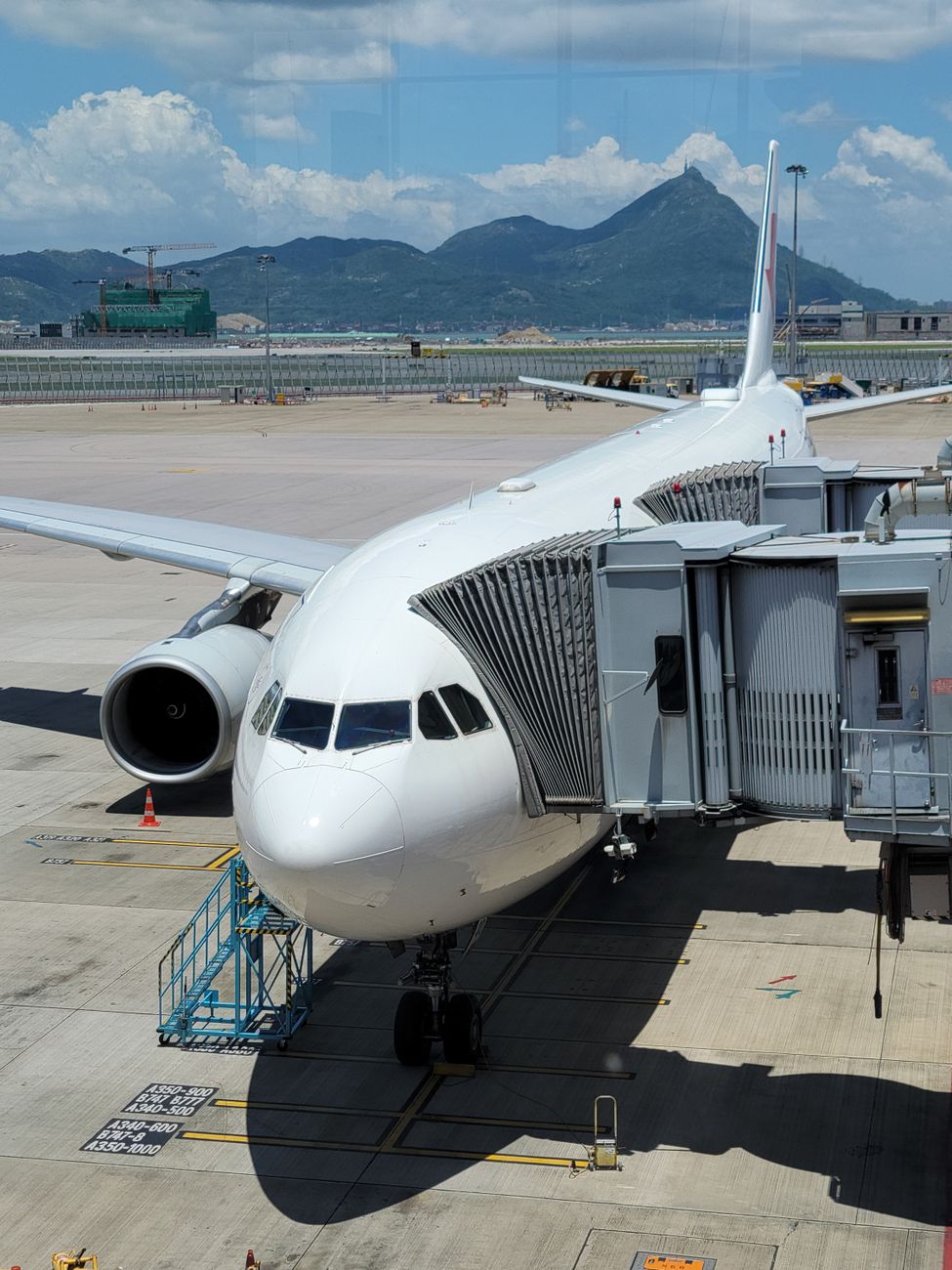
    Flying with America’s largest budget airline is not as cheap as it used to be. Frontier Airlines said its average fare revenue per passenger jumped 71% in the third quarter, to $67.82, up from $39.74 a year earlier. The airline raised prices to deal with soaring fuel costs, and passengers kept booking anyway.

    WHAT HAPPENED

    Frontier reported record third-quarter total revenue of $1.355 billion, up 53% from a year earlier. It carried more than 9.8 million passengers, up 18%, or about 1.5 million more people than a year earlier. Capacity, which measures how many seats the airline flew, rose 18%.

    But higher prices did not turn into a profit. Frontier posted a net loss of $104 million in the quarter, wider than the $77 million loss a year earlier. The main reason was fuel. Its fuel bill soared 82% to $425 million. The airline paid an average of $3.96 per gallon for fuel in the quarter, 56% more than a year earlier.

    Including fees for bags and other extras, total revenue per passenger rose 30% to $138.22. That is an important detail: the 71% figure covers the ticket fare alone, not the full cost of flying.

    WHY IT HAPPENED

    Three things pushed fares higher, and Frontier’s chief executive Jimmy Dempsey said each played a roughly equal part. First, fuel got much more expensive, so the airline passed some of that cost to passengers. Second, Frontier got better at pricing, charging more on routes where demand was strong. Third, competition disappeared: Spirit Airlines stopped flying in May 2026, and Frontier added routes that Spirit used to fly, removing a direct low-fare rival from many markets.

    Fuel is the biggest pressure going forward. Frontier expects its average fuel cost to rise to about $4.75 per gallon in the fourth quarter. Industry airfares in September were already up about 22% from a year earlier, so Frontier’s jump is part of a wider trend, just a steeper version of it.

    KEY FIGURES

    • Average fare revenue per passenger: $67.82, up 71% from $39.74
    • Total revenue per passenger, including fees: $138.22, up 30%
    • Total revenue: $1.355 billion, up 53%, a third-quarter record
    • Passengers carried: more than 9.8 million, up 18%
    • Fuel bill: $425 million, up 82%
    • Average fuel cost: $3.96 per gallon in the quarter, vs about $4.75 expected in the fourth quarter
    • Net loss: $104 million, vs $77 million a year earlier

    WHY IT MATTERS

    Frontier is a test case for budget travel. The whole idea of a budget airline is low fares. When the cheapest airline raises its average fare by 71%, it shows how much pressure fuel prices are putting on the industry. It also shows that travellers are still willing to pay more, at least for now, since passenger numbers rose.

    It matters for holiday travel too. Frontier expects unit revenue, a measure of how much it earns per seat flown, to stay more than 20% higher in the holiday quarter. That points to fares staying well above last year’s levels through the holidays.

    WHAT HAPPENS NEXT

    Frontier forecast fourth-quarter results ranging from an adjusted loss of 15 cents per share to adjusted earnings of up to 5 cents per share. It also plans to keep capacity growth slower, at 5% to 6%, in the fourth quarter.

    The key question is fuel. If jet fuel prices stay high, fares will likely stay high as well. If fuel prices fall, Frontier could bring fares down, but with one less rival in the market, there is less pressure on it to do so quickly. Travellers booking holiday flights should compare the full price, including bag fees, rather than just the headline fare.

    FINAL THOUGHTS

    Frontier’s quarter tells a simple story: higher costs, higher fares, and still more passengers. The airline is making more money per passenger, but fuel is eating most of the gain. For travellers, the lesson is clear. Budget flying is still possible, but the gap between budget and regular airlines is getting smaller, and the cheapest ticket on the screen is rarely the full price you will pay.

    Related post: https://thefinanceclass.wordpress.com/2026/10/31/trump-energy-promise-gas-diesel-jet-fuel-prices/

    Disclaimer: This article is for educational and informational purposes only and does not constitute financial advice.

    Sources: CNBC, https://www.cnbc.com/2026/10/28/frontier-airlines-airfare-plane-tickets.html ; Fast Company, https://www.fastcompany.com/91631443/a-budget-airline-just-revealed-a-startling-change-in-the-cost-of-flying

  • Stellantis Shares Jump About 13% as Cost Cuts Start to Pay Off

    Stellantis Shares Jump About 13% as Cost Cuts Start to Pay Off

    INTRODUCTION

    Stellantis, the company behind Jeep, Ram, Chrysler, Fiat and Peugeot, gave investors a rare piece of good news this week. Its shares jumped about 13% after its third-quarter results showed that its cost-cutting plan is starting to work. The company is still losing money overall, and it is still burning cash, but the direction of travel improved enough to lift the stock sharply.

    WHAT HAPPENED

    Stellantis reported third-quarter net revenue of 37.6 billion euros, up 1% from a year earlier and above what analysts had expected, at around 36.4 billion euros. Adjusted operating income, which is profit before some one-off items, jumped 184% to 256 million euros, up from 90 million euros a year earlier. That left an adjusted operating margin of just 0.7%, which is still very thin. The net loss narrowed sharply to 453 million euros.

    The company also kept its full-year guidance unchanged. It still expects net revenue to grow by a mid-single-digit percentage in 2026, with a low-single-digit adjusted operating margin for the year. In a week when other carmakers cut their outlooks, simply holding the forecast counted as good news.

    WHY IT HAPPENED

    The main reason for the jump is cost savings. Chief executive Antonio Filosa said the turnaround plan, called FaSTLAne 2030, is running ahead of schedule. Cost savings from the plan were about 300 million euros in the third quarter, and the company expects them to roughly double to as much as 600 million euros in the fourth quarter.

    North America also helped. The region swung back to a small adjusted operating profit of 64 million euros, helped by new models such as the Jeep Cherokee hybrid and the Ram 1500 Hemi. Ram 1500 sales in the United States jumped 73% from a year earlier. Stellantis also lowered its estimate for full-year tariff costs to about 1 billion euros, down from an earlier estimate of up to 1.2 billion euros.

    Europe was the weak spot. The region posted an adjusted operating loss of 311 million euros, as lower prices and a shift toward less profitable electric cars weighed on results.

    KEY FIGURES

    • Third-quarter net revenue: 37.6 billion euros, up 1% year over year
    • Adjusted operating income: 256 million euros, up from 90 million euros
    • Adjusted operating margin: 0.7%
    • Net loss: 453 million euros, sharply narrower than a year earlier
    • Expected fourth-quarter cost savings: up to 600 million euros, from about 300 million euros
    • Industrial free cash flow: negative 4 billion euros in the quarter
    • Full-year tariff cost estimate: about 1 billion euros, down from up to 1.2 billion euros

    WHY IT MATTERS

    Stellantis stock is still down roughly 60% this year, even after this rally. That tells you how far it had fallen. When a stock has dropped that much, even a small improvement in profit can cause a big jump, because many investors had expected worse.

    The result also matters for the wider car industry. Carmakers are all dealing with the same problems: tariffs, higher costs, and slow demand for electric cars. Stellantis showed that cutting costs and fixing quality can move the numbers, even if sales barely grow.

    WHAT HAPPENS NEXT

    The next test is cash. Stellantis burned 4 billion euros of industrial free cash flow in the quarter. That was slightly better than the 4.3 billion euro outflow a year earlier, but it still missed what analysts expected. The company says it will reach positive free cash flow in 2027. Investors will watch the fourth quarter closely to see whether the promised doubling of cost savings actually shows up in cash, not just in profit figures.

    Watch for two more things: whether North America keeps improving, and whether Europe stops dragging results down. If both move in the right direction, the turnaround story gets much stronger. If not, this rally could fade quickly.

    FINAL THOUGHTS

    This was a relief rally, not a victory lap. Stellantis is making progress on costs, and that progress is real. But a 0.7% operating margin and negative cash flow mean the company still has a long way to go. The stock jumped because expectations were very low. The hard work of turning those savings into steady cash is still ahead.

    Related post: https://thefinanceclass.wordpress.com/2026/10/31/automakers-3d-printing-ford-rivian-gm-faster-cheaper/

    Disclaimer: This article is for educational and informational purposes only and does not constitute financial advice.

    Sources: CNBC, https://www.cnbc.com/2026/10/28/stellantis-45-billion-cash-drain-turnaround.html ; TipRanks, https://www.tipranks.com/news/stellantis-shares-jump-6-as-carmaker-keeps-full-year-guidance-and-third-quarter-profit-hits-e256-million

  • Reddit Shares Drop 20% as AI Search Eats Into Its Traffic

    Reddit Shares Drop 20% as AI Search Eats Into Its Traffic

    Reddit beat earnings expectations on Thursday, October 29, and its stock still fell hard. Shares dropped about 18% in after-hours trading and were down more than 20% in premarket trading on Friday, October 30.

    The reason was not the past quarter. It was a warning about the future, and about how artificial intelligence is changing the way people find information online.

    What Happened

    Reddit’s third-quarter revenue rose 53% from a year earlier to $895 million, above the roughly $878 million analysts expected. Adjusted earnings came in at $1.40 per share, also above expectations. Advertising revenue grew 54% to $847 million.

    Daily active users, the number of people who visit Reddit on an average day, grew 12% to 130.3 million, but that was below the roughly 134 million analysts expected. In the United States, daily users actually fell 2% to 50.7 million, the first decline since Reddit went public in 2024. International users grew 24%, which softened the blow.

    For the fourth quarter, Reddit expects revenue of $1.00 billion to $1.03 billion. The middle of that range, $1.015 billion, was below the $1.05 billion analysts had forecast.

    But the number that scared investors most was about traffic. Reddit said search referrals, the visitors who arrive by clicking a link in a search engine, fell by more than 1 million per week on average in October. If that pace continues, the company warned, daily users could fall by a low double-digit percentage in the fourth quarter, from the current base of about 130 million.

    Why It Happened

    Reddit’s chief executive, Steve Huffman, blamed Google’s shift to AI-powered search. When people search for something today, they often get an AI-generated answer at the top of the page, and they never click through to the website. That means fewer visitors for sites like Reddit, even though their content is often used to build those AI answers.

    Related reading: Why Google Stock Crashed 12.6%: What Investors Need to Know

    Huffman said search referral traffic was down meaningfully in the third quarter, and the decline sped up later in the quarter. He argued that AI search “does not drive traffic, not for us and not to anybody,” and that AI answers cannot replace real communities of people.

    Reddit is also changing how its site works. The company plans to test requiring users to log in to see most content, starting in selected markets outside the United States in the fourth quarter. The idea is to reduce data scraping, where other companies collect Reddit’s posts without permission, and to focus on logged-in users, who bring in more than 80% of its advertising money. But a login wall could also put off casual visitors, which is a risk the company will be testing carefully.

    Think of it like a public noticeboard in a town square. For years, anyone walking past could read it. Now, the town has built a wall with a gate, and an AI assistant outside summarises the notices for passers-by. Fewer people walk in, even though the notices inside are just as useful.

    Key Figures

    • Q3 revenue: $895 million, up 53% (expected: about $878 million)
    • Q3 adjusted earnings per share: $1.40 (expected: about $1.35)
    • Advertising revenue: $847 million, up 54%
    • Daily active users: 130.3 million, up 12% (expected: about 134 million)
    • US daily users: 50.7 million, down 2%
    • Q4 revenue forecast: $1.00 billion to $1.03 billion (expected: about $1.05 billion)
    • Search referrals in October: down more than 1 million per week on average
    • Possible Q4 user impact: a low double-digit percentage decline if the trend continues

    Why It Matters

    Reddit’s warning matters far beyond Reddit. If AI search answers keep people from clicking through to websites, every site that depends on search traffic faces the same problem: news publishers, forums, blogs and small businesses. It raises a big question about the internet’s business model. If AI companies use content created by others but send fewer visitors back, how do those creators earn money?

    It also matters for Reddit itself. Advertising is its main source of income, and advertisers pay for attention. Fewer visitors, especially in the United States, could mean slower advertising growth, even if revenue is still rising fast today.

    What Happens Next

    Investors will watch the login test closely. If it protects Reddit’s content without driving users away, it could become a model for other platforms. If it shrinks the audience, the company may need to rethink it. The fourth-quarter user numbers, due early in 2027, will show whether the warning came true.

    Reddit also has content licensing deals with Google and OpenAI, which pay for the right to use its posts to train AI systems. Those deals are up for renewal, and the company gave no update on them in this report. How those talks go could matter as much as the traffic numbers.

    Final Thoughts

    Reddit’s quarter shows a strange new reality: a company can grow revenue by 53% and still lose a fifth of its value in a day, because investors are worried about where its visitors will come from next year. The AI search shift is not just a technology story. It is a business story, and Reddit is one of the first big companies to put a number on what it costs.

    Disclaimer: This article is for educational and informational purposes only and does not constitute financial advice.

    Sources: CNBC, “Stocks making the biggest moves premarket: Intel, Amazon, Reddit, Chevron & more” (https://www.cnbc.com/2026/10/30/stocks-making-the-biggest-moves-premarket-intc-amzn-rddt-cvx.html); Reuters, “Reddit puts logged in experience first as Google AI hits traffic” (https://mymixfm.com/2026/10/29/reddit-posts-search-traffic-declines-will-push-visitor-sign-ins-to-curb-data-scraping/)

  • Starbucks Beats Profit Expectations as US Stores Recover, but Revenue Falls Short

    Starbucks Beats Profit Expectations as US Stores Recover, but Revenue Falls Short

    Starbucks reported mixed results on Thursday, October 29, and the market’s reaction was muted. The coffee chain beat profit expectations and its US stores performed better than expected, but total revenue fell short. Shares slipped nearly 2% in after-hours trading.

    It is a good example of a turnaround that is working in one place but not yet everywhere.

    What Happened

    For its fiscal fourth quarter, which ended September 27, 2026, Starbucks reported adjusted earnings of $0.80 per share, beating the $0.72 analysts expected. Reported net income rose to $677.2 million, or $0.59 per share, from $133.1 million a year earlier, when restructuring costs weighed on profits.

    Revenue, however, fell 4% to $9.14 billion, below the $9.23 billion analysts expected. The main reason for the drop is not weak demand. Starbucks converted its China retail business into a licensed joint venture earlier in the year, which means those sales no longer count in the same way in its reported revenue.

    The most encouraging number was same-store sales, which measure sales at stores open for at least a year. Global same-store sales rose 7.2%, beating the 6% analysts expected. US same-store sales rose 7.7%, above the 6.5% forecast. That was the company’s fifth straight quarter of better-than-expected same-store sales growth.

    International stores were the weak spot. Same-store sales outside North America rose only 0.9%, well below the 3.2% analysts expected, as fewer customers visited, even though those who came spent more per visit.

    For the full fiscal year, revenue rose 2% to $37.9 billion, and adjusted earnings rose 28% to $2.72 per share.

    Why It Happened

    Starbucks has been working on a turnaround plan called “Back to Starbucks,” focused on faster service, better stores and popular seasonal products. In the United States, that plan appears to be working. Customers are visiting more often, and average spending per visit rose, helped by seasonal drinks and menu changes.

    Outside the United States, the recovery is slower. International traffic fell, which offset higher spending per visit. The company also closed about 250 company-owned stores in North America in September as part of a review of its store network, and it opened 303 net new stores overall in the quarter, ending with 41,607 locations worldwide.

    Think of it like a chain of shops where the home stores are busy again, but the overseas shops are still quiet. The overall picture looks mixed because the two parts are moving in different directions.

    Key Figures

    • Q4 revenue: $9.14 billion, down 4% (expected: $9.23 billion)
    • Q4 adjusted earnings per share: $0.80 (expected: $0.72)
    • Q4 reported net income: $677.2 million, or $0.59 per share
    • Global same-store sales: up 7.2% (expected: 6%)
    • US same-store sales: up 7.7% (expected: 6.5%)
    • International same-store sales: up 0.9% (expected: 3.2%)
    • Full-year revenue: $37.9 billion, up 2%
    • Fiscal 2027 adjusted earnings forecast: $3.15 to $3.25 per share

    Why It Matters

    Starbucks is one of the most watched consumer brands in the world, and its results say something about everyday spending. When US same-store sales grow 7.7%, it suggests American consumers are still willing to pay for a daily coffee, even at higher prices. But weak international traffic is a reminder that the recovery is not global yet.

    The results also show why revenue alone can mislead. Starbucks’ revenue fell mainly because of the China accounting change, not because customers stopped buying coffee. Same-store sales, which compare like with like, tell a healthier story.

    What Happens Next

    For fiscal 2027, Starbucks expects adjusted earnings of $3.15 to $3.25 per share, slightly above the $3.14 analysts expected. But it also expects total revenue to fall about 1%, below the 1.4% growth analysts had forecast, again largely because of the China change. The company expects North American same-store sales to grow about 4%.

    Chief executive Brian Niccol said Starbucks enters the new fiscal year with momentum and is ahead of schedule on its targets for fiscal 2028. The test will be whether international stores start to recover the way US stores have.

    Final Thoughts

    Starbucks’ quarter was neither a clear win nor a clear loss. The US turnaround is gaining steam, profits beat expectations, and the company raised its ambitions. But revenue missed, and international stores lagged. For investors, the question is simple: can the US recovery spread to the rest of the world?

    Disclaimer: This article is for educational and informational purposes only and does not constitute financial advice.

    Sources: CNBC, “Starbucks sales miss expectations, but its U.S. turnaround is gaining steam” (https://www.cnbc.com/2026/10/29/starbucks-sbux-q4-2026-earnings.html); Seeking Alpha earnings recap (https://seekingalpha.com/news/4660702-starbucks-revenue-miss-overshadows-solid-fq4-results-upbeat-profit-guidance).

Is this your new site? Log in to activate admin features and dismiss this message
Log In