Author: Rohan Tamang

  • What Is Dividend Investing? How Companies Pay You to Own Them

    What Is Dividend Investing? How Companies Pay You to Own Them

    Introduction

    Some companies pay you just for owning them. That sounds strange. It is real. It is called a dividend. This post explains it in simple words.

    What It Is

    Stock means a small piece of a company. A share is one piece. A dividend is a small payment from a company to its owners. Profit means money left after costs. When a company makes profit, it can keep it. Or it can share some of it with owners. That shared money is a dividend. Dividend investing means buying shares in companies that pay dividends on a regular basis.

    How It Works

    First, you own shares in a company. Then the company says it will pay a dividend. It sets an amount for each share. It also sets a date. If you own shares on that date, you get the payment. Payments often come four times a year. That is once every three months. Some companies pay once a month. Some pay once a year. You do not need to sell your shares to get a dividend. You keep the shares. You also get the payment. Some people use the payment as cash. Others use it to buy more shares. Buying more shares with dividends is called reinvesting.

    A company can also cut its dividend. It can stop paying it. Dividends are not promised forever. They depend on the company doing well. That is why it is smart to check the company, not just the payment.

    An Example With Numbers

    Imagine a company called Sunny Lemonade. It pays $1 for each share, four times a year. That is $4 per share in one year. You own 10 shares. Each payment is $10. That is 10 shares times $1. In one year, you get $40. That is 4 payments times $10. You still own your 10 shares. The share price can still go up or down. The dividend is separate from the price. This is just an example. Real companies pay different amounts. Some pay nothing at all.

    Common Mistakes

    First, chasing the biggest payment. A very high dividend can be a warning sign. The company may be in trouble. It may cut the payment soon. Second, putting all your money in one company. If that company struggles, you lose two ways. The price can fall. The dividend can stop. Third, thinking dividends are free money. They are not free. The company earned that money. You own a piece of the company. That is why you get a share. Fourth, forgetting about taxes. In many places, dividends can be taxed. Tax means money paid to the government. Rules are different in each country. Fifth, buying just before a payment without checking the company. A good company matters more than one payment.

    Final Thoughts

    Dividend investing is slow and steady. It is like a shop that shares a little profit with its owners. It can give you regular payments. It can also help your money grow if you reinvest. But no payment is sure. Always learn how the company makes money first. If you are new to shares, start with our post on how the stock market works.

    Disclaimer: This article is for educational and informational purposes only and does not constitute financial advice.

    Sources: Investopedia, “Dividend Investing” explainer, https://www.investopedia.com/terms/d/dividendinvesting.asp ; U.S. Securities and Exchange Commission, Investor.gov, “Dividend”, https://www.investor.gov/introduction-investing/investing-basics/glossary/dividend

  • Morgan Stanley Cuts Coinbase to Underweight and Slashes Its Price Target to $120

    Morgan Stanley Cuts Coinbase to Underweight and Slashes Its Price Target to $120

    Introduction

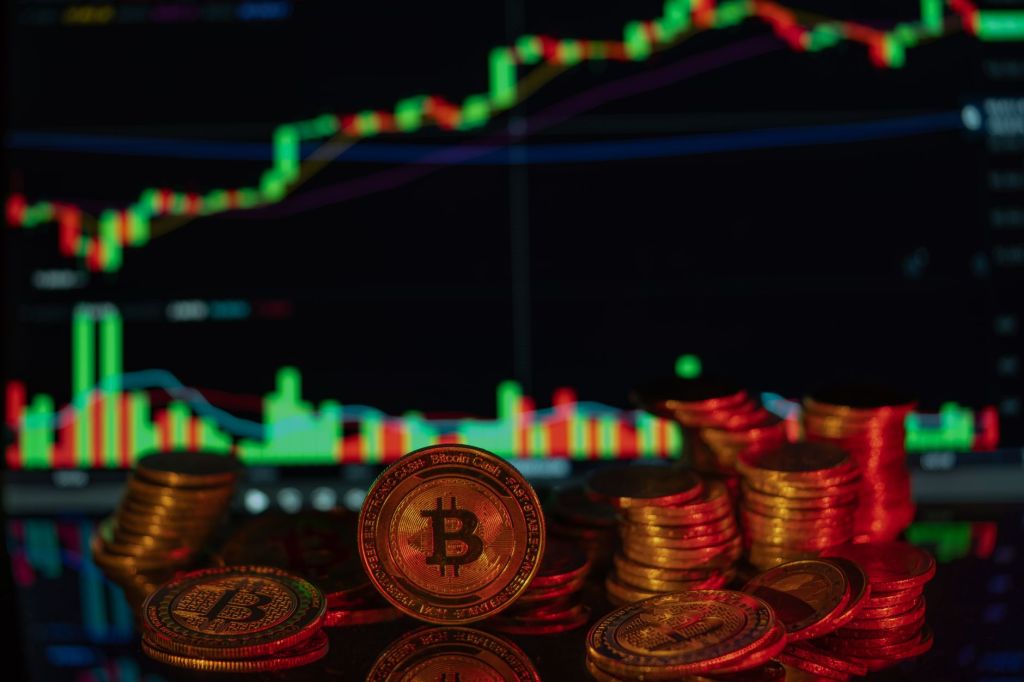
    Morgan Stanley has cut its view on Coinbase. Coinbase is a big company where people buy and sell crypto. Crypto means digital money, like Bitcoin. Morgan Stanley is a big bank. It now rates Coinbase as underweight. That is a simple way to say it thinks the stock may do worse than other stocks.

    What Happened

    Morgan Stanley cut Coinbase from equal-weight to underweight. Equal-weight means about the same as other stocks. Underweight means less good than other stocks. It also cut its price target from $258 to $120. A price target is a guess about what a stock could be worth later. That cut is 53%. That is more than half. Analyst Michael Cyprys wrote the note on Monday, November 2, 2026. He said, “Confidence in the earnings recovery has deteriorated.” Earnings mean the money a company makes. Recovery means getting better after a weak time.

    Why It Happened

    Crypto trading has been slow. People are trading less. That hurts Coinbase. Coinbase makes much of its money from fees when people trade. Fees are small charges for a service. When trading is slow, those fees fall. Morgan Stanley also worries about the future. It cut its 2027 revenue guess by 28%. Revenue means money coming in. It cut its 2027 adjusted EBITDA guess by 47%. EBITDA is a simple way to look at profit before some costs. For 2028, it cut revenue by 18% and adjusted EBITDA by 25%. It now expects $2.4 billion in normalized EBITDA in 2028. That is about 14% below 2025. It also cut the value it puts on that profit from 20 times to 12 times.

    The downgrade came after a weak third quarter. Coinbase reported $1.22 billion in revenue last Thursday. That was down 35% from a year earlier. Transaction revenue fell 44% to $590 million. Subscription and services revenue fell 20% to $570 million. Crypto trading volume fell 10% in the quarter. Price swings were also very small.

    Key figures:

    Old price target: $258. New price target: $120. Cut: 53%. Old rating: equal-weight. New rating: underweight. Shares in early trading: down 2.3% to $140.25. Fall last week: 10%. Third-quarter revenue: $1.22 billion, down 35% from a year earlier.

    Why It Matters

    A downgrade can change how people see a stock. It does not mean the company will fail. It means one big bank is less sure about it now. Coinbase still runs a large crypto exchange. But its main business depends on trading. When trading is quiet, money comes in more slowly. That is why this news matters to people who follow crypto stocks.

    What Happens Next

    People will watch trading activity. If more people start trading again, revenue could improve. People will also watch the next earnings report. Earnings will show if the slow time is ending. Morgan Stanley will watch the same things. Its $120 target is a guess, not a promise.

    Final Thoughts

    This is a cautious note, not a disaster story. Coinbase had a soft quarter. Morgan Stanley now expects a slower recovery. The next few months will show if that view is right. For more on Coinbase’s last quarter, see our earlier post on Coinbase’s $719 million profit.

    Disclaimer: This article is for educational and informational purposes only and does not constitute financial advice.

    Sources: CNBC, “Coinbase stock downgraded by Morgan Stanley to underweight” (November 2, 2026), https://www.cnbc.com/2026/11/02/coinbase-stock-morgan-stanley-downgrade.html ; CoinDesk, “Morgan Stanley downgrades Coinbase (COIN), slashes price target 53% on weak earnings outlook” (November 2, 2026), https://www.coindesk.com/markets/2026/11/02/morgan-stanley-downgrades-coinbase-slashes-price-target-53-on-weak-earnings-outlook

  • Cyberattack on Fridges Hits Supermarkets Across Europe

    Cyberattack on Fridges Hits Supermarkets Across Europe

    Introduction
    Shoppers in Europe faced a strange problem this week. Fridges in supermarkets stopped working right. The cause was not a power cut. It was a cyberattack. A cyberattack is when bad actors break into computer systems on purpose. This attack hit the cooling systems that keep food fresh.

    What Happened
    On Monday, November 2, 2026, reports said supermarkets across Europe were hit. The attack targeted refrigeration systems. Refrigeration means keeping food cold. The systems were made by a company called Johnson Controls. Hackers got into those systems. That caused fridges to warm up. Some stores had to throw food away. Some stores closed cold food sections.

    Stores from large groups were affected. They include Ahold Delhaize, which runs Delhaize and Albert Heijn. They also include Colruyt. More than 100 stores were reported hit in some reports. The exact number may grow as more stores check their systems.

    Why It Happened
    Modern fridges are not just cold boxes. They are linked to computers. Workers can check them from far away. That is handy, but it also creates risk. If a hacker breaks into the control system, they can change the temperature. They can also lock workers out. Experts say the attackers may have used a weak point in the software. Software is the set of instructions that runs a computer system.

    Companies use the same systems in many stores. So one weak point can affect many places at once. That is why an attack on a supplier can spread fast.

    Why It Matters
    Food safety is the first worry. Warm fridges can spoil milk, meat, and other fresh food. Spoiled food can make people sick. Stores must throw it away to be safe. That costs money. It also wastes food.

    The attack also shows a new risk for business. A shop does not need to be a bank to be a target. Any system linked to the internet can be attacked. Small weak points can cause big trouble. Companies must guard their systems, just as they guard their doors.

    Key Figures

    • Stores reported hit: more than 100 in early reports.
    • Main system affected: refrigeration, made by Johnson Controls.
    • Large groups named: Ahold Delhaize and Colruyt.
    • Day reported: Monday, November 2, 2026.
    • Food at risk: milk, meat, and other fresh food that must stay cold.

    What Happens Next
    Stores will check their fridges and fix their systems. Some may need new software. Some may need to reset their controls. Food that warmed up will be thrown away. Shoppers may see empty cold shelves for a short time. Police and cyber experts will try to find who did the attack. Companies may also spend more on cyber safety.

    Final Thoughts
    This story is a reminder. Even a fridge can be a computer today. When computers are linked, they need strong guards. For shoppers, the lesson is to check dates and trust stores that act fast. For companies, the lesson is to fix weak points before attackers find them.

    Disclaimer: This article is for educational and informational purposes only and does not constitute financial advice.

    Sources: CNBC, https://www.cnbc.com/2026/11/02/cyberattack-on-fridges-hits-supermarkets-across-europe.html ; Reuters, https://www.reuters.com/business/european-retailers-hit-by-supermarket-fridge-hack-2026-11-02/

  • Wall Street’s Fear Index Acted Strange as Stocks Fell

    Wall Street’s Fear Index Acted Strange as Stocks Fell

    Introduction
    Stocks fell hard on Friday, October 30, 2026. That was strange in one way. Wall Street’s fear index did not jump as much as people might expect. The fear index is called the VIX. It is a number that shows how worried traders are about big price moves.

    What Happened
    The S&P 500 fell nearly 2 percent on Friday. The S&P 500 is a list of 500 large US companies. Its fall was part of its worst week since June. At the same time, the VIX rose, but only by 2.2 points. It touched its highest level during the day since April. But its rise was small for such a big stock fall.

    Traders did not rush to buy protection. Protection here means bets that pay off if stocks fall more. One expert, Zed Francis from EP Wealth, said traders did not pile into options. Options are deals that give a right to buy or sell at a set price later. People often buy them when they fear a fall. This time, they did not buy as many as expected.

    Why It Happened
    Big investors had already sold a lot before Friday. Morgan Stanley said there was massive selling by large funds. Selling means they got out of stocks early. So when Friday came, fewer people needed to rush for protection. They had already made their move.

    Also, many traders may have seen the fall as a short bump, not a long crash. A crash is a fast and big fall. A bump is a short drop that may soon end. If traders think a fall will not last, they may not pay a lot for protection.

    Why It Matters
    The VIX is watched like a weather gauge for the market. When it is low, traders feel calm. When it is high, traders feel scared. A small VIX rise during a big fall can mean two things. It can mean traders are not panicking. Or it can mean they are not ready for more falls. Both ideas matter for small investors.

    For a young learner, the lesson is simple. Do not judge a market by one number alone. Look at the fall, the fear gauge, and what traders are doing. Together, they tell a fuller story.

    Key Figures

    • S&P 500 fall on Friday, October 30: nearly 2 percent.
    • That week: the worst week for the S&P 500 since June.
    • VIX rise on Friday: only 2.2 points.
    • VIX daytime high: the highest since April.
    • What traders did not do: pile into options for protection.

    What Happens Next
    Traders will watch the VIX this week. If it stays low, they may feel the fall is over. If it jumps later, they may feel more fear is coming. The next big test will be new company reports and new economic data. Those numbers can change the mood fast.

    Final Thoughts
    A fear index that stays calm during a fall is a puzzle. It does not mean the market is safe. It means traders had already acted, or they did not fear a longer fall. Watch what traders do next, not just what the number says today.

    Disclaimer: This article is for educational and informational purposes only and does not constitute financial advice.

    Sources: CNBC, https://www.cnbc.com/2026/11/02/wall-streets-fear-index-is-doing-something-strange-heres-what-it-means-for-stocks.html ; Investrade, https://investrade.com/market-review-october-30-2026/

  • Fanatics Makes New NHL Hometown Remix Jerseys for All 32 Teams

    Fanatics Makes New NHL Hometown Remix Jerseys for All 32 Teams

    Introduction
    Hockey fans will see a new look on the ice soon. Fanatics has made new Hometown Remix jerseys for all 32 NHL teams. A jersey is the shirt a player wears in a game. The NHL is the top hockey league in North America. These new shirts mix old team looks with new city style.

    What Happened
    Fanatics announced the new jerseys on Monday, November 2, 2026. The jerseys will be worn in games starting in December. Each team gets its own design. The designs use colors and marks from the team’s home city. Some designs look back at old team history. Some designs use new art and new shapes.

    Fanatics is the company that makes the NHL’s on-ice jerseys. It also makes fan shirts and hats. This is the first time Fanatics has led the design for a full league set like this. Before, the NHL and its teams led the design work more. Now Fanatics is taking a bigger role.

    Why It Happened
    Teams want fans to feel close to their city. A hometown design can do that. It can show a city’s art, music, or old sports story. Fans also like to buy new shirts. New shirts help teams and Fanatics make money. A fresh design can bring in new buyers. It can also bring back old fans who want a new look.

    Fanatics wants to show it can do more than make shirts. It wants to show it can design them too. Good design can help Fanatics win more work with other leagues. The NHL wants its teams to look new and fun. This set gives every team a new story to tell.

    Why It Matters
    Jerseys are a big part of sports business. Fans buy them to show love for a team. Teams sell them in shops and online. A popular jersey can sell very fast. A weak jersey may sit on shelves. For Fanatics, this is a test. If fans love the Remix jerseys, Fanatics may get more design jobs. If fans do not love them, Fanatics may need to change its plan.

    Key Figures

    • Teams with new jerseys: 32, which is every NHL team.
    • First games in the new jerseys: December 2026.
    • Announced: November 2, 2026.
    • Fanatics role: maker of the NHL’s on-ice jerseys, now with a bigger design role.

    What Happens Next
    Fans will see the jerseys in December games. Shops will sell them too. People will talk about which designs they like best. Fanatics will watch sales and fan reaction. Other leagues may watch too. If the Remix idea works, we may see more city-style jerseys in other sports.

    Final Thoughts
    A jersey is more than a shirt. It is a way for a fan to say, “This is my team. This is my city.” Fanatics is betting that a hometown remix can make that feeling stronger. December will show if fans agree.

    Disclaimer: This article is for educational and informational purposes only and does not constitute financial advice.

    Sources: CNBC, https://www.cnbc.com/2026/11/02/fanatics-nhl-hometown-remix-jerseys.html ; NHL, https://www.nhl.com/news/nhl-fanatics-hometown-remix-jerseys-2026

  • The Fed Will Vote on Interest Rates Fewer Times in 2027 and 2028

    The Fed Will Vote on Interest Rates Fewer Times in 2027 and 2028

    Introduction
    The United States central bank will meet less often to vote on interest rates. The Fed is the central bank. It is like the bank for other banks. Its choices affect how much it costs to borrow money. That matters for homes, cars, and credit cards.

    What Happened
    The Fed will hold seven rate-setting meetings in 2027. It will hold six in 2028. That is down from the usual eight meetings a year. The change was announced last week. Kevin Warsh is the Fed chair. Chair means the top leader. He has led the Fed since this year.

    Interest rates are the extra money you pay when you borrow. A rate-setting meeting is a meeting where the Fed votes on that cost. Fewer meetings mean fewer chances to change the rate in a year.

    Why It Happened
    The Fed wants to think in a longer way. Warsh said the Fed should not react to every small piece of news. A longer view can help the Fed make calmer choices. The Fed also plans to meet in January, March, May, July, September, and November in 2028. It will skip some months.

    In 2027, the Fed will still meet seven times. That is one less than usual. In 2028, it will meet six times. That is two less than usual. The Fed said this is about a new way to work, not about one single decision.

    Why It Matters
    Interest rates touch daily life. When rates go down, borrowing can get cheaper. When rates go up, borrowing can get more costly. Loans are money you borrow and pay back later. Mortgages are loans to buy a home. Credit cards let you borrow money to buy things now and pay later.

    Last week, the Fed cut its key rate to a range of 3.50 percent to 3.75 percent. That was the second cut this year. The first cut came in September. The Fed has cut rates two times this year. Lower rates can help people who borrow. But they do not change every loan at once.

    Key Figures

    • Usual Fed meetings each year: 8.
    • Fed meetings planned for 2027: 7.
    • Fed meetings planned for 2028: 6.
    • Current key rate range: 3.50 percent to 3.75 percent.
    • Rate cuts this year: 2, in September and last week.
    • Average credit card interest rate in August: 19.91 percent. That is the extra cost on credit card borrowing.

    What Happens Next
    People will watch the next Fed meeting in December. The Fed has not said if it will cut rates again then. Some people think a cut is possible. Others think the Fed will wait. With fewer meetings, each meeting may feel more important. Borrowers may need to wait longer between possible rate changes.

    Final Thoughts
    Fewer meetings do not mean the Fed will stop working. It means the Fed will vote less often. For families, the lesson is simple. Do not count on a fast rate cut. Plan for the loan you have today. Watch each meeting, but do not rush a big choice because of one meeting.

    Disclaimer: This article is for educational and informational purposes only and does not constitute financial advice.

    Sources: CNBC, https://www.cnbc.com/2026/11/02/fed-rate-votes-consumer-borrowing-costs.html ; The New York Times, https://www.nytimes.com/2026/10/28/business/economy/fed-meetings-2027-interest-rates-warsh.html

  • Apple Reports Today and New Boss John Ternus Faces His First Big Test

    Apple Reports Today and New Boss John Ternus Faces His First Big Test

    Introduction
    Apple will share its new money report today, Monday, November 2, 2026. This is a big day for Apple. It is also a big day for its new boss, John Ternus. This will be his first money report call as the top boss. People will listen to every word he says.

    What Happened
    Apple will tell the world how much money it made in its fourth quarter. A quarter is a three-month part of the year. The report will come after the stock market closes. Then Apple will hold a call at 5 p.m. Eastern time. On the call, Apple bosses will talk about the numbers and answer questions.

    John Ternus took over as chief executive on December 31, 2025. Chief executive means the top boss of a company. Tim Cook was the boss before him. Now Ternus must lead Apple in a new time. He has worked at Apple for a long time. He helped make iPhones and other products.

    Why It Happened
    Apple must share its numbers four times a year. This helps people who own a small piece of Apple see how the company is doing. Stock means a small piece of a company. People who own stock are called shareholders. They want to know if the company is growing.

    This report is special. It covers the start of the new iPhone 18 Pro. The new phone was on sale for only nine days in this quarter. So this report will not show a full three months of sales for that phone. It will show a small taste.

    Why It Matters
    Apple is one of the biggest companies in the world. Many people use its phones, computers, and watches. Its numbers can move the whole stock market. If Apple does well, other tech stocks may rise too. If Apple does badly, other stocks may fall.

    People will also watch what Ternus says about the future. They want to know his plan. They want to know about new phones, new computers, and new ideas. His words can change how people feel about Apple.

    Key Figures

    • Expected total sales: $113.39 billion.
    • Sales last year in the same quarter: $102.5 billion.
    • That would be a rise of about 11 percent.
    • Expected profit for each share: $1.99. A share is one small piece of a company.
    • Expected iPhone sales: $56.59 billion.
    • Expected sales from services: $30.35 billion. Services are things like music, TV, and cloud storage.
    • Expected sales from Mac computers: $9.44 billion.

    What Happens Next
    After the report, people will check the real numbers. They will compare them with the expected numbers. If the real numbers are higher, people may be happy. If they are lower, people may worry. Then Ternus and other bosses will answer questions on the call. In the next quarter, the iPhone 18 Pro will have a full three months of sales. That report will give a much clearer picture.

    Final Thoughts
    Today is a first test, not a final grade. Ternus has a strong company to lead. He also has high hopes to meet. The numbers today will tell part of the story. The plan he shares will tell another part. We will watch both.

    Read our earlier post about Apple and Palantir reporting this week: https://thefinanceclass.wordpress.com/2026/11/01/apple-palantir-earnings-week-ahead-midterms-jobs/

    Disclaimer: This article is for educational and informational purposes only and does not constitute financial advice.

    Sources: CNBC, https://www.cnbc.com/2026/11/02/apple-aapl-q4-2026-earnings-live-updates.html ; AppleScoop, https://applescoop.org/story/apple-q4-2026-earnings-november-2-time-what-to-expect-how-to-listen

  • What Is an RRSP and How Is It Different From a TFSA?

    What Is an RRSP and How Is It Different From a TFSA?

    Canada has two famous savings accounts. One is the TFSA. One is the RRSP. Many students mix them up. They are not the same. This post explains the difference in simple words.

    What is a TFSA? TFSA means Tax-Free Savings Account. You put money in with money you already paid tax on. Your money can grow inside. When you take money out, you pay no tax. Not now. Not later. Ever.
    What is an RRSP? RRSP means Registered Retirement Savings Plan. It is made for retirement. Retirement means the time when you stop working, when you are old. You put money in now. You get a tax break now. But you pay tax later, when you take money out.

    Here is the big difference. Think of it like a seesaw.

    • With a TFSA, you pay tax first, then never again.
    • With an RRSP, you skip tax now, but you pay tax later.
      So the question is: when do you want to pay tax? Now or later?

    How does the RRSP tax break work? Say you earn money this year. You put some of it in an RRSP. That money is taken off your income for tax. So you may pay less tax this year. It feels like a reward for saving.
    But later, when you retire and take money out, that money counts as income. Then you pay tax on it. The hope is that you will earn less money in retirement. So your tax rate may be lower then. That is the whole trick.

    How much can you put in? The rules change a little each year.

    • For 2026, the TFSA limit is $7,000 for the year.
    • For 2026, the RRSP limit is 18% of what you earned last year, up to $33,810. You use the smaller of the two numbers.
    • If you do not use all your room, it carries forward. That means it waits for you. It does not disappear.
    • For the TFSA, if you take money out, that room comes back on January 1 of the next year.
    • For the RRSP, room you use does not come back the same way. Once you use it, it is gone.

    When can you take money out? This is where the TFSA wins for flexibility.

    • You can take money out of a TFSA any time, for any reason, with no tax.
    • Taking money out of an RRSP is harder. You pay tax on it. Your bank may also hold back some tax right away. There are two big exceptions. The Home Buyers’ Plan lets first-time home buyers take out up to $60,000 tax-free to buy a home, if they pay it back over 15 years. The Lifelong Learning Plan lets you take money out to pay for school, if you pay it back later.

    Here is an example with numbers. Meet Sara. She is a student. She earns $10,000 from a part-time job.

    • If Sara puts $1,000 in a TFSA, she gets no tax break now. But the $1,000 can grow. When she takes it out, she pays no tax.
    • If Sara puts $1,000 in an RRSP, her taxable income drops by $1,000 this year. She may pay less tax now. But when she takes the money out one day, she will pay tax on it.
      Sara is young and earns little. Her tax rate is low now. So the RRSP tax break does not help her much. For many students, the TFSA is the better first step.

    Common mistakes:

    • Mistake 1: Putting money in an RRSP just because a friend did. If your income is low, the tax break is small.
    • Mistake 2: Putting in more than your room allows. The tax office charges 1% per month on extra money in a TFSA until you take it out.
    • Mistake 3: Taking money out of an RRSP for a small need. You pay tax on it, and you lose that room for good.
    • Mistake 4: Thinking you must pick only one. You can use both. Many people use a TFSA for flexible savings and an RRSP for retirement.

    Which one should you pick first? Here is a simple rule.

    • If you earn little money now, like most students, start with a TFSA.
    • If you earn good money now and expect to earn less in retirement, an RRSP may save you more tax.
    • If you want to buy your first home one day, learn about the Home Buyers’ Plan too.
    • When in doubt, check your own room on your CRA account. CRA means Canada Revenue Agency. It is the tax office.

    Final thoughts: Both accounts help you save. The TFSA is simple and flexible. The RRSP is strong for retirement and for cutting this year’s tax. Neither one is magic. The best one is the one that fits your life right now. Start small. Learn the rules. And do not put in more than your room allows.

    Disclaimer: This article is for educational and informational purposes only and does not constitute financial advice.
    Sources: Canada Revenue Agency (canada.ca) — TFSA and RRSP rules and 2026 limits; Investopedia — RRSP and TFSA explainers.

  • Oil Prices Fall More Than 4% as Iran Peace Talks Give Hope

    Oil Prices Fall More Than 4% as Iran Peace Talks Give Hope

    Oil prices fell a lot on Monday, November 2.
    They fell more than 4%.
    That is a big drop for one day.

    What is crude oil? It is oil straight from the ground. It is not yet made into gas or other products. People buy and sell it all over the world. Its price affects gas prices, heating costs, and many companies.

    Here are the key numbers.

    • Brent crude fell $4.79, or 4.2%, to $108.64 a barrel. Brent is oil from the North Sea. It is a world price for oil.
    • US oil, called WTI, fell $4.41, or 4.2%, to $99.71 a barrel.
    • A barrel is a big container of oil. It holds about 159 litres.

    Why did prices fall? Talks gave people hope.
    Iranian officials and Qatari officials have talked for three days in a row. They want a deal to end the war between the US, Israel, and Iran. A draft plan is now being shared. A new meeting may happen soon.
    There was also no big new fighting over the weekend. That helped calm people down.

    Why does this matter for oil? The war has hurt oil shipping. Ships carry oil through a narrow sea path called the Strait of Hormuz. The war has made that path risky. When people fear less oil will get through, prices go up. When people hope for peace, prices come down.

    October was a hard month for oil buyers. Brent ended October at its highest price in six months. People worried the war could get worse after the US midterm elections on Tuesday. So Monday’s fall was partly a step back after a big rise.

    Iran’s foreign minister, Abbas Araqchi, said on Sunday that the talks are “ongoing and progressing.” He said Iran is ready for “both defence and diplomacy.” That means Iran wants to talk, but it is also ready to defend itself.

    There is other news too. OPEC+ is a group of oil-producing countries. It kept its December output targets the same on Sunday. That means it did not change how much oil its members plan to pump. So the price fall came from the peace talks, not from a change in supply.

    What happens next? No deal is done yet. The talks could still fail. The US midterm elections are on Tuesday. Some people worry that talk could get tougher after the vote. Goldman Sachs, a big bank, raised its oil price forecasts on Sunday. It said Brent could reach $140 a barrel in 2027 if Gulf oil output stays far below its 2025 level. So prices could still go back up.

    In short: oil fell sharply on Monday because peace talks gave hope. But the war is not over. The story is not finished yet.

    Disclaimer: This article is for educational and informational purposes only and does not constitute financial advice.
    Sources: CNBC, https://www.cnbc.com/2026/11/02/crude-oil-dives-to-session-low-on-iran-peace-talk-hopes-ahead-of-midterms.html ; Reuters report on the oil price drop, via Kitco, https://www.kitco.com/news/off-the-wire/2026-11-02/oil-drops-over-4-hopes-progress-talks-ending-us-iran-war

  • Anthropic Made About $17 Billion in Q3 as Its Future Bills Hit $895.4 Billion

    Anthropic Made About $17 Billion in Q3 as Its Future Bills Hit $895.4 Billion

    Introduction
    Anthropic is a young AI company.
    It is best known for Claude.
    Claude is a family of AI models.
    On Monday, November 2, Anthropic shared new money numbers.
    The numbers came in a new filing for its stock market listing.
    The filing is called an S-1.
    An S-1 is a form a company files when it wants to sell shares to the public.
    A share means a small piece of a company.
    The new filing adds the third quarter of 2026.
    The first filing covered only the first half of the year.
    What Happened
    Anthropic made about $17 billion in the third quarter.
    Revenue means money a company earns from selling its products or services.
    That is a huge jump.
    For the first nine months of 2026, revenue was $33.24 billion.
    That is up about 1,200% from the same period last year.
    But Anthropic still lost a lot of money.
    A loss means a company spends more than it earns.
    Its net loss for the nine months was $104 billion.
    The same period last year had a loss of $25.1 billion.
    The third quarter alone had a loss of $23.29 billion.
    Most of the nine-month loss came from paper changes.
    These were changes in the value of loans that can turn into shares.
    That is not the same as cash leaving the bank in the same way.
    Still, the loss is very large.
    It shows how costly AI can be.
    Key figures
    Third-quarter revenue: about $17 billion
    Nine-month revenue: $33.24 billion, up about 1,200% from a year earlier
    Nine-month net loss: $104 billion
    Third-quarter net loss: $23.29 billion
    Future purchase commitments: $895.4 billion
    Prior-year nine-month net loss: $25.1 billion
    Why It Happened
    Anthropic sells AI mainly to big business customers.
    Businesses pay to use Claude for work tasks.
    Demand for AI has grown very fast.
    That growth pushed revenue up.
    But AI also needs huge computers.
    It needs data centres.
    A data centre is a big building full of computers.
    It needs chips and power too.
    Anthropic promised to pay for much of that in the future.
    A commitment means money promised to pay later.
    Its total commitments are $895.4 billion.
    Almost all of that is for computers and buildings.
    That is why the future bill is so big.
    Why It Matters
    This filing tells two stories at once.
    One story is fast growth.
    Revenue jumped from a small base to tens of billions.
    The other story is huge cost.
    Anthropic must spend for years to keep growing.
    Investors must ask a simple question.
    Will future sales be big enough to pay those future bills?
    The answer is not clear yet.
    That is why this IPO will be watched so closely.
    An IPO means a first sale of shares to the public.
    Anthropic is only five years old.
    A listing this large would be historic.
    What Happens Next
    Watch for the next steps in the IPO.
    Watch for the share price range.
    That range has not been set yet.
    Watch also for news on customers.
    If big customers stay, revenue may keep growing.
    If costs grow faster, losses may stay large.
    Both sides matter for this company.
    Final Thoughts
    Anthropic is growing at a rare speed.
    It is also promising a rare amount of future spending.
    Fast growth and big bills now live in the same filing.
    Investors will have to weigh both.
    Disclaimer: This article is for educational and informational purposes only and does not constitute financial advice.
    Sources: CNBC, https://www.cnbc.com/2026/11/02/anthropic-ant-s-1-quarter-financials.html ; Anthropic S-1 coverage, https://cryptobriefing.com/anthropic-ipo-filing-900-billion-commitments/
    Related post: https://thefinanceclass.wordpress.com/2026/10/31/anthropic-ipo-nasdaq-rockier-ai-spending-worries/

Is this your new site? Log in to activate admin features and dismiss this message
Log In