Introduction
Americans vote on Tuesday, November 3.
These are midterm elections.
Midterm means an election in the middle of a president’s term.
Voters will choose all House seats.
They will choose about a third of Senate seats.
The president is not on the ballot.
But the result still matters for stocks.
It can change rules and spending.
It can change how closely firms are watched.
What Happened
Forecasts point to Democrats winning the House.
Control of the Senate is less clear.
That is the view in a Reuters analysis on Monday.
Investors are gaming out each outcome.
Gaming out means planning for each possible result.
Since Donald Trump returned to the White House in 2025, the S&P 500 rose about 27%.
The S&P 500 is a list of 500 large US firms.
It is often used to judge the whole market.
That rise came with full Republican control of Congress.
Now that control may change.
History gives a mixed guide.
Since 1930, the president’s party lost House control eight times at midterms.
In five of those cases, the S&P 500 rose from Election Day to year-end.
The median gain was 1.4%.
Median means the middle value.
Across all midterm years, the median gain was 1.9%.
History is not a promise.
It is only a guide.
Why It Matters for Each Sector
AI could face more questions.
Democrats are expected to push for stricter AI rules.
They could investigate big firms.
That could add worry to AI stocks.
But the president can veto new laws.
A veto means the president says no to a law.
That limits fast change.
Defence could face a split story.
If Democrats win big, oversight may tighten.
Funding delays could worry defence firms.
If Republicans hold ground, defence spending could rise.
JPMorgan named L3Harris, Lockheed Martin, and Northrop Grumman as possible winners in that case.
Health care is also split.
Hospitals may benefit if Medicaid cuts are walked back.
Medicaid is a health plan for people with low income.
Insurers face a different story.
Some hope for restored health subsidies.
Subsidies are money that helps people pay for plans.
Crypto firms could face more heat.
Their ties to the Trump family draw attention.
Banks could face more scrutiny too.
Scrutiny means close checking by lawmakers.
What Happens Next
Vote first, on Tuesday.
Then watch the counts.
Some races may take time to call.
Watch for divided control.
Divided control means different parties run each chamber.
That raises the risk of shutdowns.
It raises the risk of debt-limit fights.
A debt limit is a cap on how much the government can borrow.
Watch also for debt talks.
Spending choices on defence and health care could widen deficits.
A deficit means the government spends more than it earns.
None of this changes stocks alone.
Earnings, jobs, and interest rates matter too.
Final Thoughts
An election does not pick stock winners by itself.
It changes the rules of the game.
It changes what firms must answer for.
That is why investors watch Tuesday so closely.
The market will react to the result.
Then it will move on to the next test.
Disclaimer: This article is for educational and informational purposes only and does not constitute financial advice.
Sources: CNBC, https://www.cnbc.com/2026/11/02/midterm-election-stocks-defense-healthcare-crypto-ai.html ; Reuters analysis, https://wixx.com/2026/11/02/analysis-investors-gaming-out-congress-control-for-spending-ai-outlook/
Related post: https://thefinanceclass.wordpress.com/2026/11/01/midterm-election-municipal-bond-market-investors/
Author: Rohan Tamang
-
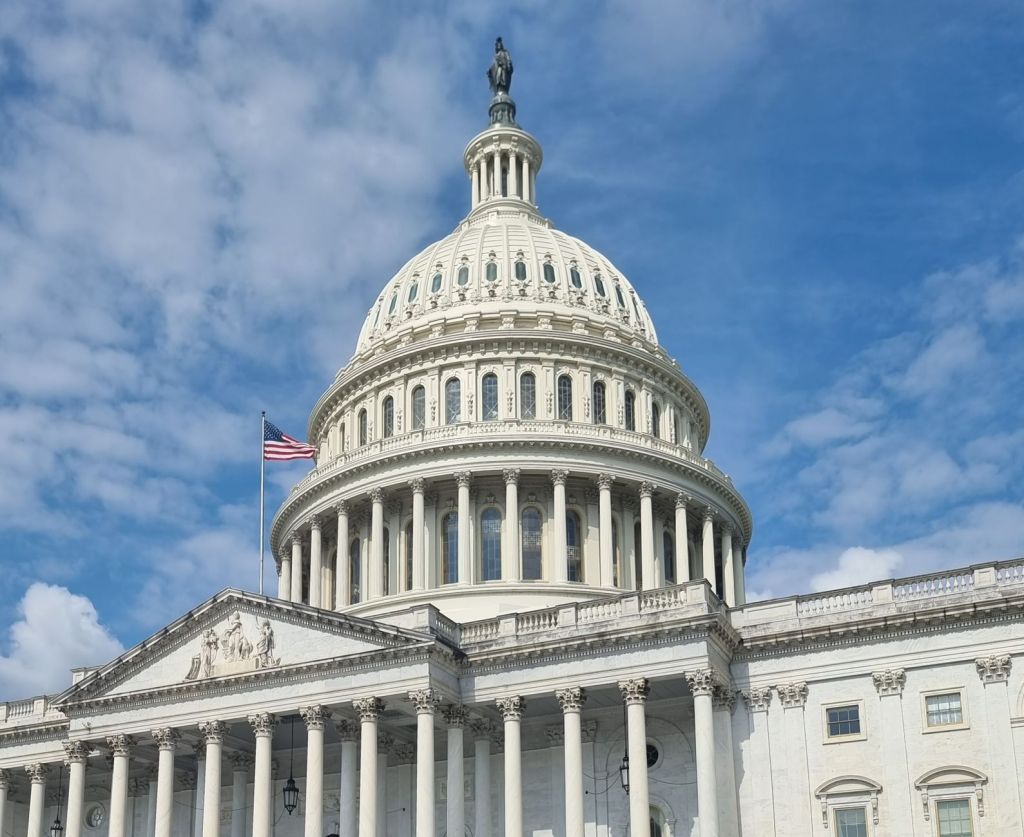
How Tuesday’s Election Could Move Stocks in Defence, Health Care, Crypto and AI
-

South Korea Plans a Record Budget to Build Its Own Top AI Model
Introduction
South Korea wants to spend big on AI.
President Lee Jae Myung shared a new budget plan on Monday, November 2.
The plan is for 2027.
It is the largest budget in the country’s history.
It puts huge money into AI, chips, and data centres.
It also funds a home-grown AI model.
A sovereign AI model means a model made and controlled in its own country.
What Happened
Total spending would rise 12.8% to 820.9 trillion won.
Won is the money of South Korea.
That total is about $610 billion.
AI, chips, physical AI, and data centres would get 21.3 trillion won.
That is about $16 billion.
It is nearly double the 2026 level.
Physical AI means smart machines that work in the real world.
Think robots and self-driving machines.
A separate 4.7 trillion won would go to frontier AI projects.
Frontier means the most advanced work.
That includes South Korea’s own AI model.
The goal is the world’s highest performance.
Defence spending would rise 8.2% to 73.3 trillion won.
The plan must still pass the National Assembly.
The National Assembly is South Korea’s parliament.
Its deadline is December 2.
Key figures
Total 2027 budget plan: 820.9 trillion won, about $610 billion
Rise from 2026: 12.8%
AI, chips, physical AI and data centres: 21.3 trillion won, about $16 billion
2026 level for those areas: 10.8 trillion won
Frontier AI and home-grown model: 4.7 trillion won
Defence spending: 73.3 trillion won, up 8.2%
Parliament deadline: December 2, 2026
Why It Happened
South Korea is riding a chip boom.
Chips are tiny parts that run computers and phones.
Strong chip sales brought in more tax money.
The government wants to use that money for future growth.
It wants to train 2,000 chip design experts too.
It wants to build chip factories and data centres.
It also wants its own AI model.
Right now, the best models come from a few firms abroad.
South Korea wants more control over its own AI.
That is the idea behind a sovereign model.
Why It Matters
This plan is a bet on the future.
It bets that AI and chips will drive growth for years.
It also bets that public money can speed that growth.
But a budget plan is not yet a law.
Parliament can change it.
It can cut some projects.
It can add others.
The money is also huge.
Critics will ask if it is spent well.
They will ask if buying foreign AI would be cheaper.
Those questions will shape the debate.
What Happens Next
Watch parliament first.
Will it pass the plan by December 2?
Watch which projects survive.
Watch also for news on chip factories.
New factories take years to build.
Watch for news on the home-grown model.
A top model needs chips, power, and skilled people.
All three take time.
Final Thoughts
South Korea is not just watching the AI race.
It is paying to join it at the front.
A record budget shows that intent.
Now parliament must decide if the plan becomes real.
Disclaimer: This article is for educational and informational purposes only and does not constitute financial advice.
Sources: CNBC, https://www.cnbc.com/2026/11/02/south-korea-ai-spending-budget.html ; Aju Press, https://www.ajupress.com//view/20261102111057061 ; Reuters via Asia Daily, https://asiadaily.org/news/17208/
Related post: https://thefinanceclass.wordpress.com/2026/11/01/south-korea-exports-nearly-double-october-ai-chip-demand/ -

CrowdStrike, Rivian and Micron Lead Monday’s Early Stock Movers
Introduction
Some stocks moved early on Monday.
This was before the main market opened.
Trading before the open is called premarket trading.
CrowdStrike rose.
Rivian rose.
Micron rose too.
Bank upgrades helped the first two.
A bounce after a sell-off helped the third.
What Happened
CrowdStrike rose about 3.4% before the open.
Deutsche Bank upgraded CrowdStrike to Buy from Hold.
An upgrade means a bank now thinks a stock looks better.
Buy means the bank likes the stock.
Hold means the bank thinks it is fine, but not exciting.
Deutsche Bank raised its target price to $300 from $240.
A target price is a price a bank thinks a stock could reach.
The bank said AI will push security spending up.
CrowdStrike sells security software.
Security software helps firms stop hackers.
Rivian rose about 3% before the open.
UBS upgraded Rivian to Buy from Neutral.
Neutral is like Hold.
UBS set a target price of $17.
UBS pointed to Rivian’s cheaper R2 SUV.
Rivian’s third-quarter revenue rose 38% to $2.155 billion.
That helped the bank’s case.
Micron rose about 2% before the open.
SanDisk and Western Digital rose about 2% each too.
These firms make memory chips.
Memory chips help computers store and use data.
Their shares had fallen hard in the past month.
Monday was a bounce back.
Key figures
CrowdStrike before the open: up about 3.4%
CrowdStrike target price: $300, up from $240
Rivian before the open: up about 3%
Rivian target price: $17
Rivian third-quarter revenue: $2.155 billion, up 38%
Micron before the open: up about 2%
SanDisk and Western Digital before the open: up about 2% each
Estee Lauder before the open: up about 3.5%
Why It Happened
Last week was rough for tech.
Investors worried about AI spending.
On Monday, mood improved a little.
Analysts are bank experts who study stocks.
Their upgrades gave buyers a reason to return.
Estee Lauder also rose.
Its results beat expectations.
It also raised its full-year outlook.
An outlook is a firm’s guess about its own future.
Energy shares fell, by contrast.
ExxonMobil fell 1.2%.
Chevron fell nearly 1%.
Valero fell 1.5%.
Oil prices fell on Monday.
That hurt energy shares.
Why It Matters
Early moves are not final results.
They can change after the market opens.
But they show where buyers feel brave.
On Monday, buyers felt brave about security and electric cars.
They also felt brave about memory chips again.
That matters after a hard October for tech.
It does not mean the worry is gone.
It means the worry eased for one morning.
What Happens Next
Watch the close on Monday.
Do the early gains hold?
Watch Apple earnings after the close.
Apple is a huge firm.
Its news can move the whole market.
Watch the jobs report on Friday too.
Big news can change the mood fast.
Final Thoughts
Monday started with green for some big names.
Upgrades helped.
A bounce helped.
But one morning is not a trend.
The real test comes when the market closes.
Disclaimer: This article is for educational and informational purposes only and does not constitute financial advice.
Sources: CNBC, https://www.cnbc.com/2026/11/02/stocks-making-the-biggest-moves-premarket-crwd-rivn-mu.html ; Seeking Alpha on the CrowdStrike upgrade, https://seekingalpha.com/news/4662186-crowdstrike-upgraded-to-buy-at-deutsche-bank-as-ai-drives-cybersecurity-demand ; CoinCodex on the Rivian upgrade, https://coincodex.com/article/94726/rivian-stock-jumps-3-as-ubs-upgrades-rivn-to-buy-sets-17-price-target/
Related post: https://thefinanceclass.wordpress.com/2026/11/02/us-stock-futures-rise-oil-falls-tech-rebound/ -
Oracle Plans to Raise $20 Billion in Shares and Bonds for Its AI Buildout
Introduction
Oracle wants $20 billion from investors.
It filed papers on Monday, November 2.
Half will come from new shares.
Half will come from new bonds.
A bond is a loan from investors.
The company pays the loan back later.
Oracle wants the money for AI and cloud work.
Cloud means computer services used over the internet.
Investors did not cheer the news.
Oracle shares fell about 4% before the market opened.
What Happened
Oracle will sell $10 billion in new bonds.
It will also sell $10 billion in new shares.
The bond sale has six parts.
They mature between 2029 and 2046.
Mature means the date the loan must be paid back.
Interest rates and prices are not set yet.
Oracle said the money is for general company use.
That can include building, paying debt, buying firms, paying dividends, and buying back shares.
A dividend is money a company pays to its owners.
Oracle shares fell about 4% in early trading on Monday.
Through Friday, the shares were down about 33% this year.
Key figures
Total amount to raise: $20 billion
New bonds: $10 billion, in six parts
New shares: $10 billion
Bond maturity dates: 2029 to 2046
Share fall in early Monday trading: about 4%
Share fall this year through Friday: about 33%
Money owed in notes and borrowings on August 31: $125.34 billion
Fiscal 2026 revenue: $67.36 billion
Revenue goal for fiscal 2030: more than $225 billion
Why It Happened
AI needs huge buildings and computers.
Oracle is building cloud capacity for AI.
That work costs a lot of money.
Oracle said last week that building costs will peak soon.
It said costs will peak in fiscal 2027 and fiscal 2028.
It also promised to limit new borrowing.
It said it would raise no more than $20 billion more for AI through fiscal 2030.
This $20 billion plan fits that promise.
Oracle also lacks the size of rivals Microsoft and Amazon in cloud.
Investors worry about that gap.
They also worry about Oracle’s link to OpenAI.
OpenAI is the maker of ChatGPT.
It is a loss-making company.
Why It Matters
This deal shows how costly AI has become.
Even a huge firm like Oracle must ask investors for more money.
Selling shares can dilute old owners.
Dilute means each old share becomes a smaller piece of the firm.
Selling bonds adds debt.
Debt means money that must be paid back.
Oracle hopes AI revenue will grow fast enough to pay for all this.
It wants revenue to more than triple by fiscal 2030.
That is a bold goal.
It is not a promise that it will happen.
What Happens Next
Watch the final prices for the bonds and shares.
Watch how investors react after the sale.
Watch Oracle’s building costs next.
If costs peak as promised, worry may ease.
If costs keep rising, worry may grow.
Watch also for news on OpenAI.
Its spending affects Oracle too.
Final Thoughts
Oracle is asking for $20 billion.
It is a big ask.
It is also a clear sign.
AI buildings are costly, even for giants.
Now Oracle must show the spending will pay off.
Disclaimer: This article is for educational and informational purposes only and does not constitute financial advice.
Sources: CNBC, https://www.cnbc.com/2026/11/02/oracle-files-to-sell-20-billion-in-new-stock-bonds-to-finance-ai-buildout.html ; Reuters, https://srnnews.com/oracle-plans-to-raise-20-billion-through-bonds-and-stock-sales/
Related post: https://thefinanceclass.wordpress.com/2026/11/02/marvell-buy-lumentum-115-billion-ai-deal/ -

Ryanair Profit Falls 15% as Fuel Costs Soar, and Fares May Rise 20%
Ryanair is a budget airline. A budget airline sells cheap tickets. It flies people across Europe. On Monday, November 2, Ryanair shared its half-year results. A half-year result is a money report for six months.
The news was mixed. More people flew with Ryanair. But the company made less money. Fuel got much more costly. That is the main reason.
What Happened
Ryanair’s profit fell 15%. Profit means the money left after a company pays its costs. Profit after tax was 2.15 billion euros. That is about $2.3 billion. A year earlier, it was 2.54 billion euros.
But passengers grew. Ryanair carried 125.8 million people in the half year. That is 6% more than last year. Revenue rose 3% to 10.08 billion euros. Revenue means all the money a company brings in, before costs.
So why did profit fall? Two reasons. First, average fares fell 4%. The average fare was 55.70 euros, down from 58 euros. A fare is the price of a ticket. Second, costs rose 10% to 7.69 billion euros. Fuel was the biggest problem.
The Fuel Problem
Airlines buy jet fuel to fly planes. Fuel prices move a lot. To protect itself, Ryanair locks in fuel prices in advance. This is called hedging. Hedging means making a deal now to pay a set price later. It is like buying winter coats in summer, when they are cheap.
Ryanair locked in 80% of its fuel for this year at $67 a barrel. A barrel is a large unit for oil. That deal shielded it well. But the other 20% was not locked in. The price of that unhedged fuel doubled, to about $130 a barrel. The boss said jet oil is now $170 a barrel.
Next year looks harder. Ryanair thinks its fuel bill for the year to March 2028 could rise by about 2 billion euros. It has locked in only 25% of next year’s fuel, at $95 a barrel. That is much less cover than this year.
The boss, Michael O’Leary, gave a clear warning. He said fares across Europe could rise by 10% in 2027, and maybe up to 20%. He called next year a very big cost cliff for airlines. A cost cliff means costs jump up all at once.
He also said higher short-haul fares alone may not cover the full fuel rise. Short-haul means short flights. So Ryanair is cutting costs too. It will review crew rations, which are food and perks for staff. It may freeze pay for a time. It will also use smart computer programs to work more efficiently.
Other Numbers
Ryanair held 2.6 billion euros in cash at the end of September. It had just repaid 1.3 billion euros of debt. Debt is money a company owes. The boss said the airline now has almost no debt and owns 650 planes.
Ryanair also cut its passenger target for the full year. It now expects 214 million passengers, down from 216 million. It wants less flying in winter, when fuel costs bite hardest.
Its shares rose 3.7% on the day of the news in Ireland. But the shares had fallen about 19% over the year before that. A share is a small piece of a company. When you own a share, you own a tiny part of that company.
Why It Matters
Ryanair is Europe’s biggest budget airline. When its costs rise, ticket prices often follow. Other airlines face the same fuel problem. So cheap flights may get less cheap in 2027. That matters to anyone who plans a holiday in Europe.
What Happens Next
Much depends on fuel prices and world events. If fuel stays costly, fares will likely rise. If fuel gets cheaper, the pressure eases. Ryanair will also try to cut costs and fly fuller planes. We will watch its next report for signs of change.
Key figures:- Profit after tax: 2.15 billion euros, down 15%
- Passengers: 125.8 million, up 6%
- Average fare: 55.70 euros, down 4%
- Fuel bill rise expected next year: about 2 billion euros
- Fares could rise: 10% to 20% in 2027
Final Thoughts
More passengers did not mean more profit this time. Fuel ate the gains. That is a simple lesson. A company can grow and still earn less, when its main cost jumps. For travellers, the message is plain too. Book early, and expect higher fares next year.
Disclaimer: This article is for educational and informational purposes only and does not constitute financial advice.
Sources: CNBC, https://www.cnbc.com/2026/11/02/ryanair-h1-earnings-iran-war-fuel-costs.html ; Grafa, https://grafa.com/en/news/united-states/ryanair-h1-fy27-profit-falls-15-percent
-
Apollo Launches an $11 Billion Lending Platform for Europe
Apollo is a big money company. It manages money for other people and companies. On Monday, November 2, Apollo launched a new platform in Europe. A platform here means a new business set up to do one job.
The new business is called European Credit Company. Short name: ECC. It will lend money to companies in Europe.
A loan is money you borrow and pay back later, often with extra money called interest. Private credit means lending done by private firms, not by normal banks. It is a fast-growing part of the money world.
What Happened
ECC starts with more than 10 billion euros of lending power. That is about $11.2 billion. That is a very large sum. It will lend to big and mid-sized companies. Mid-sized means not small, but not huge either.
ECC will do two main kinds of lending. First, corporate lending. That means lending money to companies for their daily work and growth. Second, asset-backed lending. An asset is something valuable, like a building or a machine. Asset-backed lending means the loan is tied to such a valuable thing.
ECC will also lend to owners of real assets. Real assets are things you can touch, like roads, power lines, and buildings. That includes infrastructure and real estate. Infrastructure means the big systems a country needs, like power and transport.
Who Is Behind It
Giacomo Petrobelli is the chief executive of ECC. That means he runs it day to day. Christian Meissner is the chairman. He helps guide the big choices.
ECC has strong backers. A backer is someone who puts money and trust behind a new business. The backers include the Abu Dhabi Investment Council. That is a fund linked to Abu Dhabi. Other partners are Athora, a European insurer, Norinchukin Bank from Japan, Standard Chartered, and Aranda Principal Strategies from the United States.
ECC will have offices in Frankfurt, Jersey, London, Luxembourg City, and Milan. That shows it plans to work across all of Europe.
Why It Happened
Europe needs a lot of money right now. It needs money for defence, energy, and new infrastructure. Defence means the army and tools that keep a country safe. Energy means power, like electricity and fuel.
Banks used to do much of this lending. Now banks lend less in some areas. Private firms like Apollo are stepping in to fill the gap. That is why private credit is growing fast.
Experts at Moody’s, a ratings firm, say private credit worldwide is worth more than $2 trillion in 2026. They think it could reach close to $4 trillion by 2030. A trillion is one thousand billion. So this is a huge market.
Why It Matters
This launch shows how big private credit has become. One new platform alone can lend more than $11 billion. It also shows Abu Dhabi’s growing role in world finance. Just one week earlier, Apollo agreed to buy a nearly 10% stake in Mubadala Capital. A stake means a small piece of a company. Mubadala Capital is part of Abu Dhabi’s sovereign fund Mubadala. So Apollo and Abu Dhabi are now close partners.
What Happens Next
ECC will start lending to companies across Europe. Apollo says it wants ECC to become a leading credit platform in Europe. It will focus only on Europe. We will watch which companies borrow from it first, and how fast it grows.
Key figures:- More than 10 billion euros in lending power, about $11.2 billion
- 5 offices: Frankfurt, Jersey, London, Luxembourg City, and Milan
- Nearly 10%: Apollo’s agreed stake in Mubadala Capital one week earlier
Final Thoughts
Lending may sound dull. But it is how big projects get built. Roads, power lines, and factories all need money first. Apollo’s new platform will help fund some of that work in Europe. That is why this story matters, even if you never borrow from ECC yourself.
Disclaimer: This article is for educational and informational purposes only and does not constitute financial advice.
Sources: CNBC, https://www.cnbc.com/2026/11/02/apollo-private-credit-abu-dhabi.html ; Reuters via Financial News, https://www.financial-news.co.uk/apollo-launches-e10bn-european-credit-company/
-

OpenAI Signs Four Big AI Deals in Abu Dhabi
OpenAI is a company. It makes smart computer programs. One of them is ChatGPT. ChatGPT is a program that can answer questions and write text.
On Monday, November 2, OpenAI signed four new deals in Abu Dhabi. Abu Dhabi is a city in the United Arab Emirates. The deals cover energy, government work, investing, and schools and businesses.
Sam Altman is the boss of OpenAI. He met Sheikh Khaled bin Mohamed bin Zayed Al Nahyan. He is the Crown Prince of Abu Dhabi. He watched the deals get signed.
Here is what each deal does.
First, energy. ADNOC is Abu Dhabi’s big oil and gas company. ADNOC will work with OpenAI and G42. G42 is a tech company from Abu Dhabi. Its part Inception42 will help. Together, they will put OpenAI’s smart tech to work across ADNOC’s business. ADNOC is the first energy company to use this tech in this way.
Think of it like this. A big factory has many machines. Now a smart helper can watch the machines, read the numbers, and help workers make better choices.
Second, government work. Abu Dhabi’s government and OpenAI started a plan called Machine-Readable Government. That is a hard name. It means a simple idea. Rules and forms will be turned into a form that computers can read with ease. Then computers can help check forms and permits much faster.
The first test is already running. It helps with food imports. Food imports means food brought in from other countries. Officials check that food is safe. A smart program can help with that check.
Third, investing. Mubadala is Abu Dhabi’s big investment fund. An investment fund is a large pot of money used to buy parts of companies and other assets. Mubadala will work with Inception42 and OpenAI. They will use smart tech to study investments, find new chances, and check risks. Risk means the chance that something goes wrong.
Fourth, a five-year deal. Inception42 and OpenAI signed a deal for five years. They will help spread smart tech across government offices, big businesses, and schools in the UAE.
What Happened
These deals were signed on one day. They tie OpenAI much closer to Abu Dhabi. OpenAI and G42 first teamed up in 2023. In May 2025, they announced a big computer project called Stargate UAE. It will be a large place full of computers that run smart programs.
Why It Happened
Abu Dhabi wants to be a leader in smart tech. It wants its government to use smart programs in daily work. It also wants its big companies to work faster and smarter. OpenAI wants strong partners in new places. Abu Dhabi gives it money, energy, and big companies to work with.
Why It Matters
This is a big step for both sides. For Abu Dhabi, it means smart programs will soon help run oil work, government forms, and investments. For OpenAI, it means a strong base in the Middle East. Other countries will watch this closely. If it works well, they may try the same thing.
What Happens Next
The deals did not share a price. No one said how much money is involved. The full plan will take time. The food import test is the first small step. More tests will follow. We will watch what comes next.
Key figures:- 4 deals signed on November 2, 2026
- 5 years for the Inception42 and OpenAI deal
- 1 first test already running, on food imports
Final Thoughts
Four deals in one day is a lot. They are not about a new app for your phone. They are about big work behind the scenes. Oil, government forms, and big investments may all get a smart helper soon. That is the real story here.
Disclaimer: This article is for educational and informational purposes only and does not constitute financial advice.
Sources: CNBC, https://www.cnbc.com/2026/11/02/openai-abu-dhabi-ai-deals.html ; Intelligent CIO, https://www.intelligentcio.com/me/2026/11/02/abu-dhabi-and-openai-sign-four-agreements-to-accelerate-ai-adoption/
-

US Stock Futures Rise Monday as Oil Falls and Tech Bounces Back
Introduction
US stocks may open higher on Monday. Early trading points that way. Oil prices fell. Tech shares bounced back a little. This comes after a rough month for tech.What Happened
Futures are deals about future prices. They give a hint of how stocks may open. They are not a promise. On Monday morning, Dow futures rose 190 points. That is a rise of 0.4%. They reached 52,108. S&P 500 futures rose 30.25 points. That is also a rise of 0.4%. They reached 7,644.25. Nasdaq futures rose 211.75 points. That is a rise of 0.8%. They reached 28,745.75. The Nasdaq is full of tech firms. So its bigger rise matters. Micron, SanDisk, and Western Digital each rose more than 2% in early trading. Nvidia and Microsoft also rose a little. Marvell rose about 2.9% in early trading. Apple fell a little before its earnings news. Apple will share its earnings after Monday’s close. Earnings means a firm’s money report. Oil fell in early Asian trading. Brent crude fell about 1.6% to about $111.60 a barrel.Key figures
- Dow futures: up 190 points, or 0.4%, to 52,108
- S&P 500 futures: up 30.25 points, or 0.4%, to 7,644.25
- Nasdaq futures: up 211.75 points, or 0.8%, to 28,745.75
- Micron, SanDisk, Western Digital in early trading: each up more than 2%
- Nasdaq fall last week: about 2%
- S&P 500 and Dow fall last week: each less than 1%
- Nasdaq fall in October: about 5.2%
- Dow rise in October: almost 2%
Why It Happened
October was hard for tech. Investors worried about AI spending. AI firms are spending huge sums. Investors asked when that spending will pay off. That worry pushed tech shares down. Last week, the Nasdaq fell about 2%. The S&P 500 and the Dow each fell less than 1%. In October, the Nasdaq fell about 5.2%. The Dow rose almost 2% in the same month. That shows a shift. Money moved from tech to safer areas, like health care. On Monday, some of that money moved back to tech. Lower oil prices helped too. Lower oil can mean lower costs for firms and for drivers.Why It Matters
One morning does not end a trend. But it shows a change in mood. Investors are still nervous about AI. They are also still hopeful about AI. Both feelings are in the market now. This week will test that mood. Big earnings are due. Big news on jobs is due. A big vote is due too.What Happens Next
Apple reports after Monday’s close. McDonald’s and Qualcomm report later in the week. US midterm elections are on Tuesday, November 3. The October jobs report is due on Friday, November 6. A jobs report shows how many jobs were added. It helps people guess what the central bank may do next. Watch all three. They can move stocks fast, up or down.Final Thoughts
Monday starts with a small bounce. Tech is up a little. Oil is down a little. But the big tests are still ahead. This week will tell us more than one morning can.Disclaimer: This article is for educational and informational purposes only and does not constitute financial advice.
Sources: CNBC, https://www.cnbc.com/2026/11/02/stock-market-today-live-updates.html ; market update, https://www.baystreet.ca/articles/market_updates_us.aspx?articleid%5C%5Cu003d102194 ; CNBC TV18 early Asian marketreport via TradingView,
-
Canada’s Fairfax Wants to Buy India’s IDBI Bank, but Workers Say No
Introduction
A Canadian firm wants to buy a big bank in India. The firm is Fairfax Financial Holdings. The bank is IDBI Bank. The deal is worth about $5.5 billion. But many bank workers say no. Some politicians in India say no too.What Happened
Fairfax wants to buy more than 60% of IDBI Bank. That would give Fairfax control of the bank. Control means the power to make the big choices. The Indian government said on October 14 that this sale would be the biggest foreign investment yet in India’s bank sector. Foreign investment means money from another country put into a business here. Fairfax offered 81 rupees for each IDBI share. Experts had set a fair value of 75.99 rupees per share. Fair value means what experts think a share is truly worth. On Monday, IDBI shares opened at about 79 rupees. On Sunday, a workers’ group called for a two-day strike across India. The group is the United Forum of IDBI Officers and Employees. A strike means workers stop work to show they disagree. The group wants the government to cancel the sale. It also wants the government to protect public money and staff jobs.Key figures
- Deal value: about $5.5 billion
- Stake Fairfax wants: more than 60% of IDBI Bank
- Fairfax offer per share: 81 rupees
- Fair value set by experts per share: 75.99 rupees
- IDBI share price at Monday’s open: about 79 rupees
- Strike called by workers: two days, across India
Why It Happened
IDBI Bank is a state-owned bank. State-owned means the government owns a big part of it. India has tried to sell its stake for a long time. The sale is now in its final steps. But workers worry about their jobs. They also worry the sale price is too low. They want clear facts on how the price was set. One news report said officials hid the true value to make the offer look good. That claim is not proven. It is a report, not a confirmed fact. Rahul Gandhi is India’s opposition leader. He backed the workers on Thursday. He said public banks are tools to build the nation, not goods to sell. India’s finance minister is Nirmala Sitharaman. She answered that the bank was in poor shape when the government took it. She said the bank was fixed with care and with more than 250 billion rupees of new money. 250 billion rupees is about $2.6 billion.Why It Matters
This deal matters in two countries. In India, it is about who owns a public bank. Many people see public banks as a public good. In Canada, it is about a Canadian firm growing abroad. Fairfax already owns about 40% of a smaller Indian bank, CSB Bank. Indian rules say one firm cannot own and run two banks. Earlier reports said Fairfax may get up to two years to fix this. It could sell its CSB stake, or join CSB with IDBI. That part is not yet final. The deal also needs more approvals before it can close.What Happens Next
Watch the strike first. Will workers stop work for two days? Watch the government next. Will it change the sale, or push on? Watch regulators too. They must check the deal follows bank rules. The sale is not done yet. It can still change, or even fail.Final Thoughts
A $5.5 billion deal sounds done. This one is not done. Workers, politicians, and regulators still have a say. That is why this bank sale is now a big public fight.Disclaimer: This article is for educational and informational purposes only and does not constitute financial advice.
Sources: CNBC, https://www.cnbc.com/2026/11/02/canada-india-5point5-billion-bank-takeover-attracts-opposition-from-workers-politicians.html ; Reuters background on the IDBI sale, https://www.newspointapp.com/english/trending/india-to-give-canadas-fairfax-two-years-to-consolidate-holdings-for-idbi-bank-deal-sources-et/articleshow/145048204a43d9e1c3eb71be44f7c5a5a44f49ce -

Marvell Will Buy Lumentum in a $115 Billion Deal to Power AI Data Centres
Introduction
Marvell will buy Lumentum. The deal is worth $115 billion in total value. It is one of the biggest deals of 2026. Both firms work on parts that help computers talk to each other. Now they want to do that work together, for AI data centres.What Happened
Marvell Technology and Lumentum made a deal on Monday, November 2. Marvell will buy Lumentum in an all-stock deal. All-stock means Marvell pays with its own shares, not with cash. A share means a small piece of a company. Lumentum owners will get 4.5 Marvell shares for each Lumentum share they own. That works out to about $1,132 for each Lumentum share. That price is about 23.9% higher than Lumentum’s price on October 28. October 28 was the last day before news of a possible deal came out. A premium means extra money above the old price. After the deal closes, Marvell owners will own about 67% of the new firm. Lumentum owners will own about 33%. Both boards said yes to the deal. The deal should close in the first half of 2028. It still needs yes votes from owners and from regulators. A regulator is a group that checks big deals follow the rules. Marvell shares rose about 2.8% in early trading on Monday. Trading in Lumentum shares was paused for a time.Key figures
- Total deal value: $115 billion
- Price for each Lumentum share: about $1,132
- Premium above the October 28 price: about 23.9%
- Shares Marvell owners will hold after: about 67%
- Shares Lumentum owners will hold after: about 33%
- Size of the market they can sell to: about $550 billion
- Money they hope to save each year by working together: more than $1 billion
- Lumentum first-quarter revenue: $1.26 billion, just above the $1.25 billion people expected
Why It Happened
AI data centres need very fast links. A data centre is a big building full of computers. These computers must share huge amounts of data, very fast. Marvell makes chips and electrical links. Lumentum makes lasers and light-based parts. Light-based parts move data with light, not with wires alone. Light can move data very fast. Put together, the two firms can sell a fuller set of links for AI. Marvell boss Matt Murphy will stay as boss of the new firm. Lumentum boss Michael Hurlston will join Marvell’s board. A board is a small group that helps run a company.Why It Matters
AI firms are spending huge sums on data centres. They need faster links to make AI work well. This deal is a big bet that this need will keep growing. It is also Marvell’s biggest buy since its $10 billion Inphi deal in 2021. It will make Marvell a stronger rival to Broadcom, a bigger chip firm. But a big deal is not a sure win. The firms must join their teams and products with care. They must also pass checks by regulators.What Happens Next
Owners and regulators will look at the deal next. That work will take many months. The close is not expected until the first half of 2028. Watch for news on approvals. Watch also for news on how the firms join their work. If the deal closes, the new firm will be a major seller of AI links.Final Thoughts
This is a simple idea, on a very big scale. Two firms that make link parts want to become one stronger firm. AI made that idea worth $115 billion. Now they must show they can make it work.Disclaimer: This article is for educational and informational purposes only and does not constitute financial advice.
Sources: CNBC, https://www.cnbc.com/2026/11/02/marvel-to-buy-lumentum-in-115-billion-deal-in-ai-data-center-bet.html ;Marvell announcement, https://investor.marvell.com/news-events/press-releases/detail/1040/marvell-and-lumentum-to-combine-creating-a-category-leader-in-ai-connectivity ; Reuters report, https://kelofm.com/2026/11/02/marvell-to-buy-lumentum-in-115-billion-deal-in-ai-data-center-bet/
Related post: https://thefinanceclass.wordpress.com/2026/11/01/ai-meta-ads-google-search-growth/

