Introduction
Your laptop can break. You can lose a part-time job. These things cost money. And they often happen at the worst time. That is why an emergency fund comes first. Before you invest. Before you buy stocks. Before anything else. You need cash set aside for bad days. This guide shows how much cash a student should keep, and how to build that fund step by step.
What It Is
An emergency fund is money you keep just for surprises. It is not for fun, clothes, or a holiday. It is for real emergencies only. A broken phone counts. A lost job counts. A sudden dental bill counts. A sale on shoes does not count.
The money must be easy to reach. That is why it sits in a savings account, not in stocks. Stocks can fall in value and take time to sell. Your emergency money should be ready in one or two days.
Think of it as a safety net. It does not stop you from falling. But it stops the fall from hurting so much. It stops a small problem from turning into debt.
How It Works
Most experts say you should keep three to six months of expenses in your fund. Expenses are the things you must pay for each month. Rent is an expense. So is food. So is your phone plan. Add them up. Then multiply by three. That is your first goal. Multiply by six. That is your full goal.
Students often have low costs. That is good news. If you spend $800 a month, three months of costs is $2,400. Six months is $4,800. Those are big numbers. But you do not need to save them all at once. Build the fund bit by bit.
Start with a small goal. Save $500 first. Then aim for $1,000. Then keep going. Small steps are easier. They also keep you going.
Treat your savings like a bill. When money comes in, move some to your emergency fund first. Then spend what is left. This is called ‘pay yourself first.’
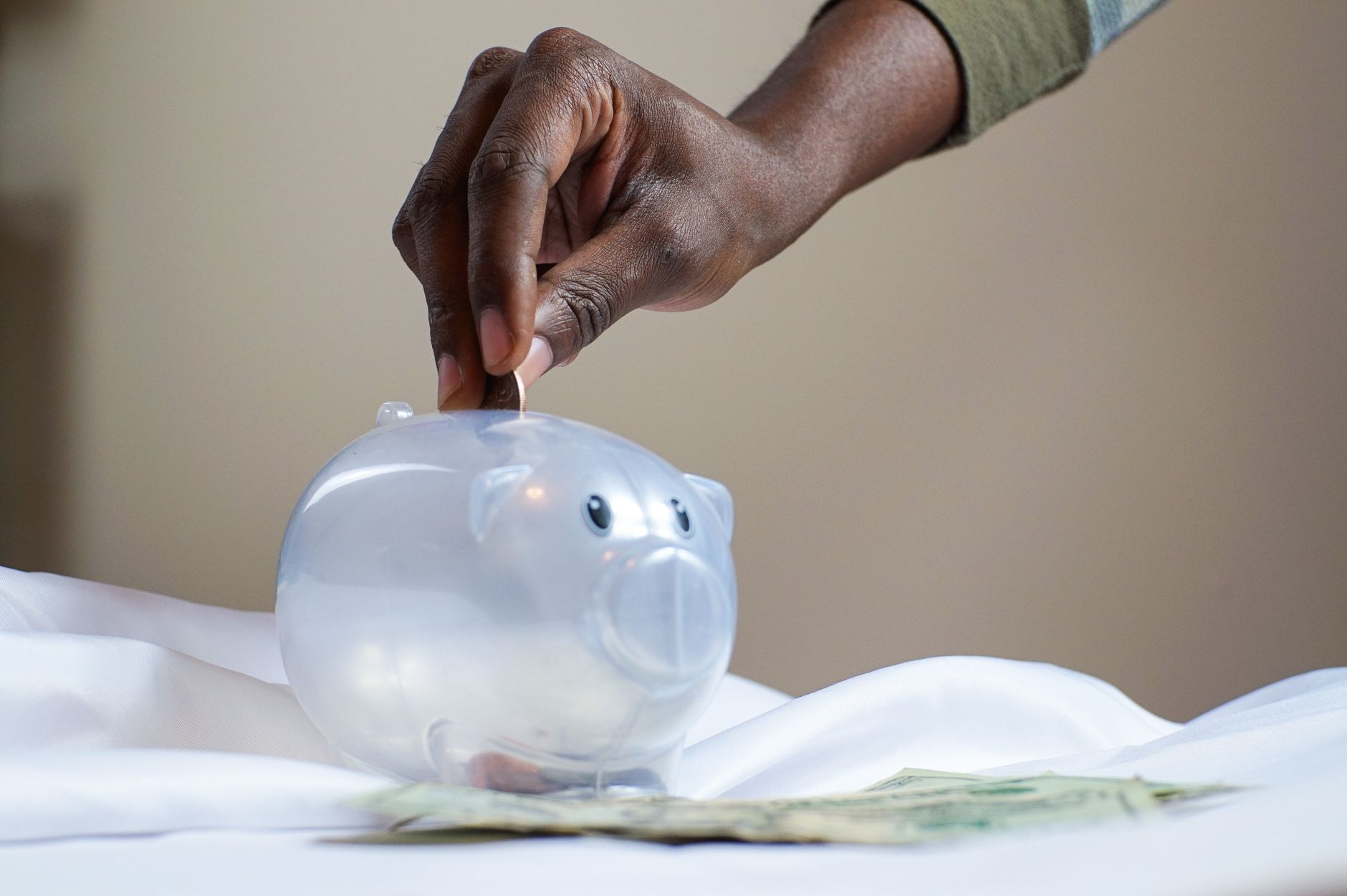
Keep the money in a separate savings account. A high-yield savings account is a good choice. ‘High-yield’ means it pays more interest than a normal savings account. Interest is the small amount the bank pays you for keeping your money with them. Your money stays safe, grows a little, and you can still reach it fast.
Do not invest your emergency fund. Stocks can drop. Your emergency money must be there when you need it. Keep it in cash.
An Example With Numbers
Let us look at Maya. She is a student. She works part-time at a cafe. She earns about $1,200 a month. Here is what she spends each month:
- Rent (shared apartment): $600
- Food and groceries: $250
- Phone plan: $50
- Bus pass: $100
- Total: $1,000 a month.
Maya’s first goal is one month of costs: $1,000. She saves $100 a month. It takes her 10 months. That is slow, but it is steady. After 10 months, she has a real safety net.
Her next goal is three months of costs: $3,000. She keeps saving $100 a month. It takes 20 more months. So she picks up extra shifts in the summer and saves $200 a month for three months. That adds $600. Now she reaches her goal faster.
Then her laptop breaks. The repair costs $300. Maya feels stressed, but she can pay for it. She uses money from her fund. She does not need a credit card or go into debt. Then she builds the fund back up. That is how it is meant to work.
Common Mistakes
- Saving nothing because the goal looks too big. But $50 is better than $0. Start small. Start now.
- Keeping the money in your main account. If you see it, you will spend it. Keep it in a separate account.
- Using the fund for fun. A concert is not an emergency. Neither is a new pair of shoes. If you use the fund for fun, it will be empty when a real problem comes.
- Investing the fund in stocks. Stocks can fall just when you lose your job. Keep emergency money in cash.
- Never refilling the fund. If you use the fund, fill it back up. It is a habit, not a one-time job.
- Waiting for the ‘right time’ to start. There is no perfect time. Even $25 a month counts.
Final Thoughts
An emergency fund is not exciting. It will not make you rich. But it is the first step in money. It gives you calm and choices. And it keeps small problems small. Start with $500. Then aim for one month of costs. Then three months. You just need to start. Your future self will thank you.
Related post: What Is a TFSA? A Simple Guide for Canadian Students
Disclaimer: This article is for educational and informational purposes only and does not constitute financial advice.
Sources: Investopedia: Emergency Fund: What It Is and How to Start One; Canada.ca (Financial Consumer Agency of Canada): Setting up an emergency fund