Tag: NASA

  • Artemis II Rocket Launch Tore a Hole in the Sky, Scientists Say

    Artemis II Rocket Launch Tore a Hole in the Sky, Scientists Say

    Introduction

    NASA’s Artemis II mission flew around the Moon in April 2026. Now, scientists say the rocket launch did something amazing to the sky above Earth. It tore a hole in a part of the sky called the ionosphere. The ionosphere is a high layer of the sky filled with tiny charged bits called particles. A new study about this was shared on November 6, 2026, and that is why people are searching for Artemis II today.

    What Happened

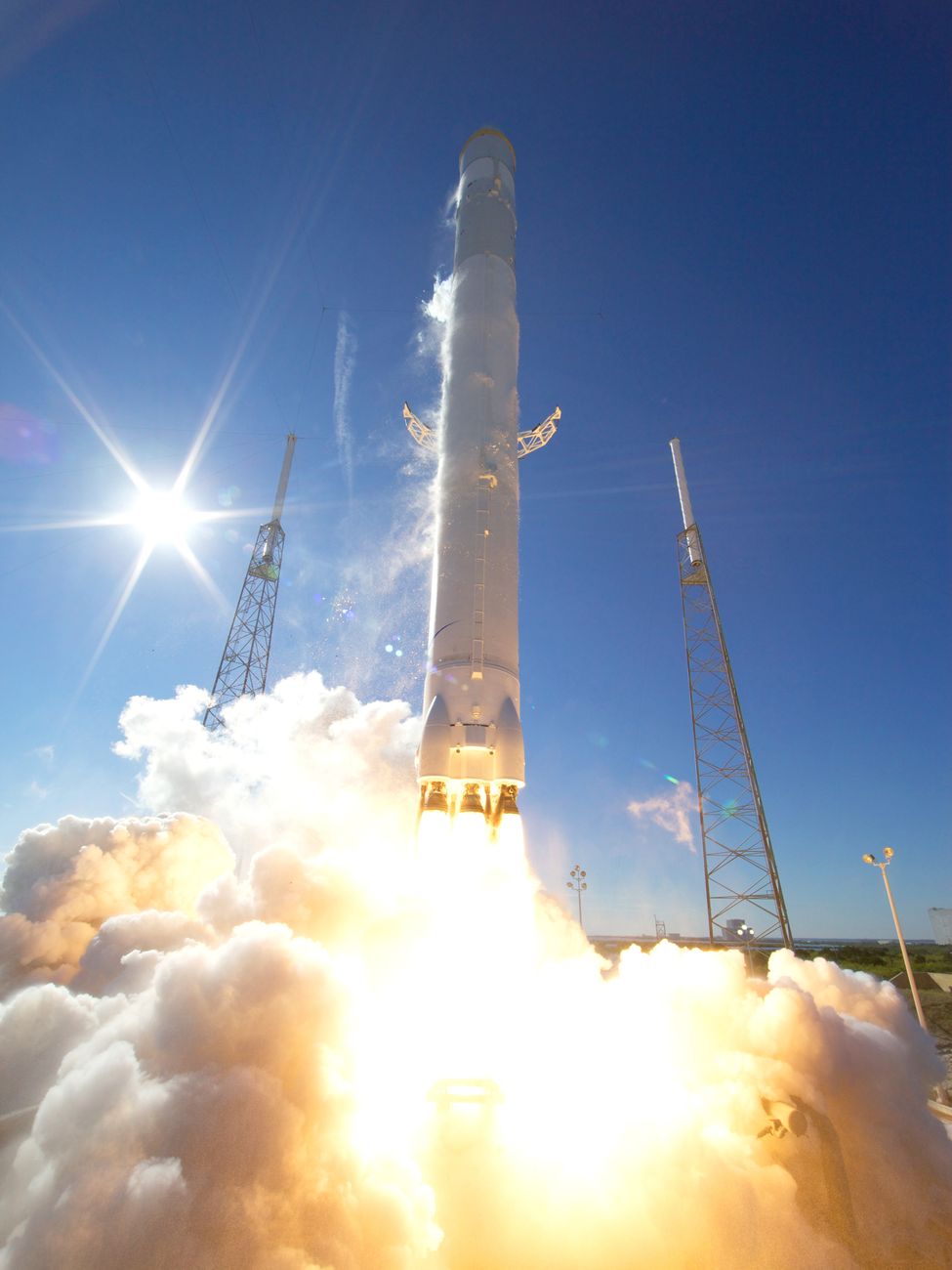
    Artemis II launched on April 1, 2026, with four astronauts on board. The crew flew on a nine-day trip around the Moon and came back home safely. It was the first time people had flown to the Moon since the Apollo missions, which ended more than 50 years ago. The rocket was very big and very strong, and its launch shook the sky high above Earth.

    Scientists at National Cheng Kung University in Taiwan studied the launch. They found that the rocket made three shakes, or disturbances, in the ionosphere. The biggest one stretched across North America, over a span of 50 degrees of longitude. Longitude is a way to measure distance east and west on a map. That big disturbance lasted for six hours.

    The hole was made by the rocket’s exhaust gases. Exhaust is the hot gas that comes out of the back of a rocket. The gases cut down the number of charged particles in the ionosphere, and that left a hole in the sky. The study says the hole was strong enough to make GPS signals less exact for a short time. GPS is the system that helps phones and cars find where they are.

    Why People Are Talking About It

    People are talking about this because it sounds like a story from a science fiction movie. A rocket tore a hole in the sky, and scientists can measure it. It also shows how strong modern rockets are, and how they can change the sky high above us. Many people love space news, and this story mixes space travel with a surprising new discovery. It also makes people ask what else big rockets can do to the sky.

    What Happens Next

    The good news is that the sky fixed itself. The hole did not stay open for long, and the ionosphere went back to normal. Scientists will keep studying rocket launches to learn more about how they change the sky. They want to know how to keep GPS and other signals working well during future launches. NASA is also planning more Moon missions, so this kind of study will help the next crews fly safely.

    Final Thoughts

    Artemis II was already a big moment, because it took people back toward the Moon. Now it has given scientists a new surprise as well. A rocket can tear a hole in the sky, and the sky can heal itself again. Space is full of wonders like this, and each new mission teaches us something new about our world and the sky above it.

    Disclaimer: This article is for educational and informational purposes only and does not constitute financial advice.

    Sources: BBC Sky at Night Magazine: Artemis II launch tore a hole in Earth’s atmosphere, say scientists. Photo: Rocket launch, Pexels.
  • NASA Artemis II Rocket Made a Big Hole in the Sky and Shook GPS Signals

    NASA Artemis II Rocket Made a Big Hole in the Sky and Shook GPS Signals

    Introduction

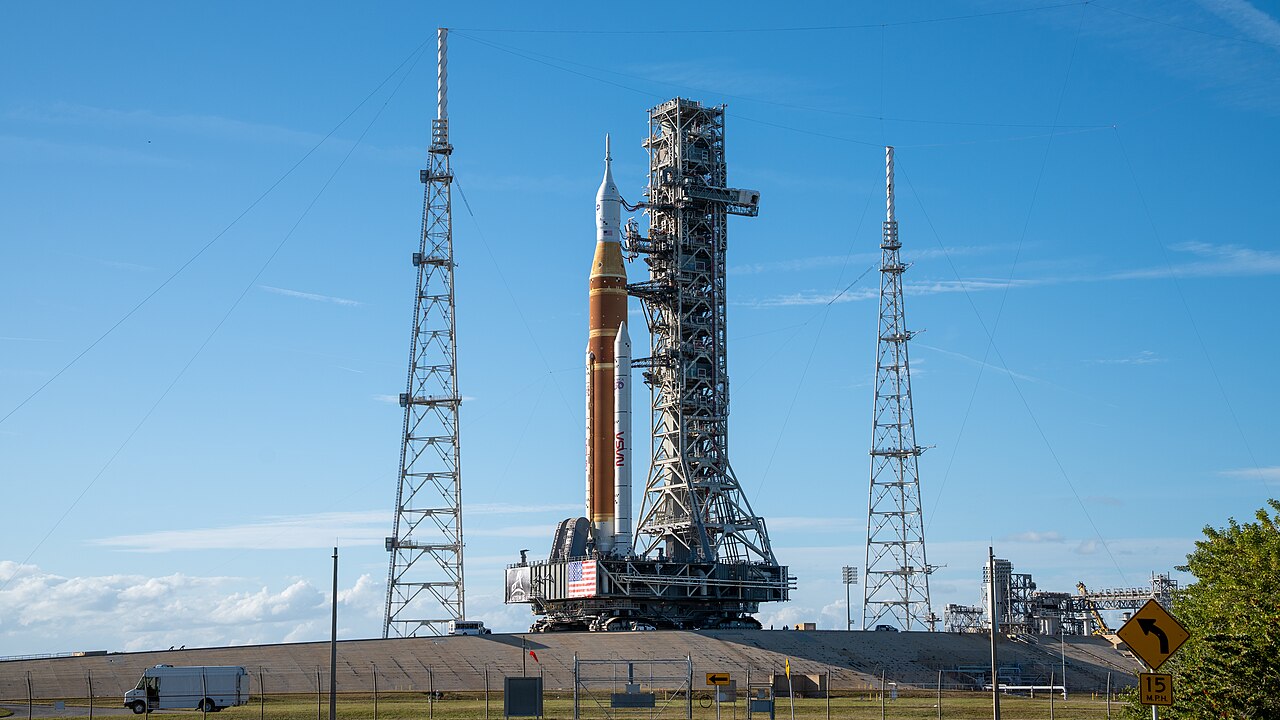
    NASA’s Artemis II moon rocket made a huge hole in the sky. It launched on April 1, 2026, from Florida. Now a new study shows what happened. The rocket’s exhaust tore a hole in the upper atmosphere. The hole was about 3,100 miles long. That is about 5,000 kilometres. It was so large that it messed with GPS signals. GPS is the system that helps phones and cars find where they are. Many people are searching for this news today. It sounds like science fiction, but scientists say it is real.

    What Happened

    Artemis II was the first crewed moon mission in more than 50 years. Crewed means people were on board. The big SLS rocket carried the crew toward the Moon. The rocket’s exhaust is the hot gas that comes out of the back. That gas pushed away charged particles in the sky. The charged particles live in a layer called the ionosphere. The ionosphere is a high layer of air around Earth. It helps radio and GPS signals travel. The rocket made two holes in this layer. The second hole was very strange. It came from a second-stage engine burn. A second stage is a part of the rocket that fires later in the flight. This burn happened more than one hour after lift-off. It happened about 115 miles, or 185 kilometres, above Earth. The study comes from National Cheng Kung University in Taiwan. The team looked at GPS data. The holes made the GPS signals less correct for a short time.

    Why People Are Talking About It

    People are talking about this for a few reasons. First, the size is shocking. The disturbances were up to ten times more intense than other launches. They were even stronger than SpaceX Starship. Starship has about twice the thrust of the SLS rocket. Thrust is the power that pushes a rocket up. Second, GPS matters to daily life. A small GPS error of a few metres is no big deal for a walk. But it matters a lot for self-driving cars and drones. A drone is a small flying machine with no pilot. An error could make a car change lanes or a drone go to the wrong spot. Third, this is a new lesson for space travel. Big rockets can change the sky above us, at least for a short time.

    What Happens Next

    Scientists will now plan for future launches. NASA also shared plans to speed up the Artemis program. The next mission, Artemis IV, could take place in 2028. NASA wants to send astronauts back to the Moon. Research teams will also watch GPS data during future launches. They want to learn how to reduce these effects. The holes do not last forever. The sky heals itself over time. Still, the study is a warning. More big launches mean more chances for these effects.

    Final Thoughts

    This story shows a new side of space travel. A rocket does not just go up. It can also shake the air above Earth. The Artemis II launch was a big step for Moon travel. But it also left a mark in the sky. That mark was big enough to disturb GPS. It is a good reminder. Space science is exciting, and it also has real effects here on Earth.

    Disclaimer: This article is for educational and informational purposes only and does not constitute financial advice.

    Sources: Space.com, NASA, Newsweek.