Introduction
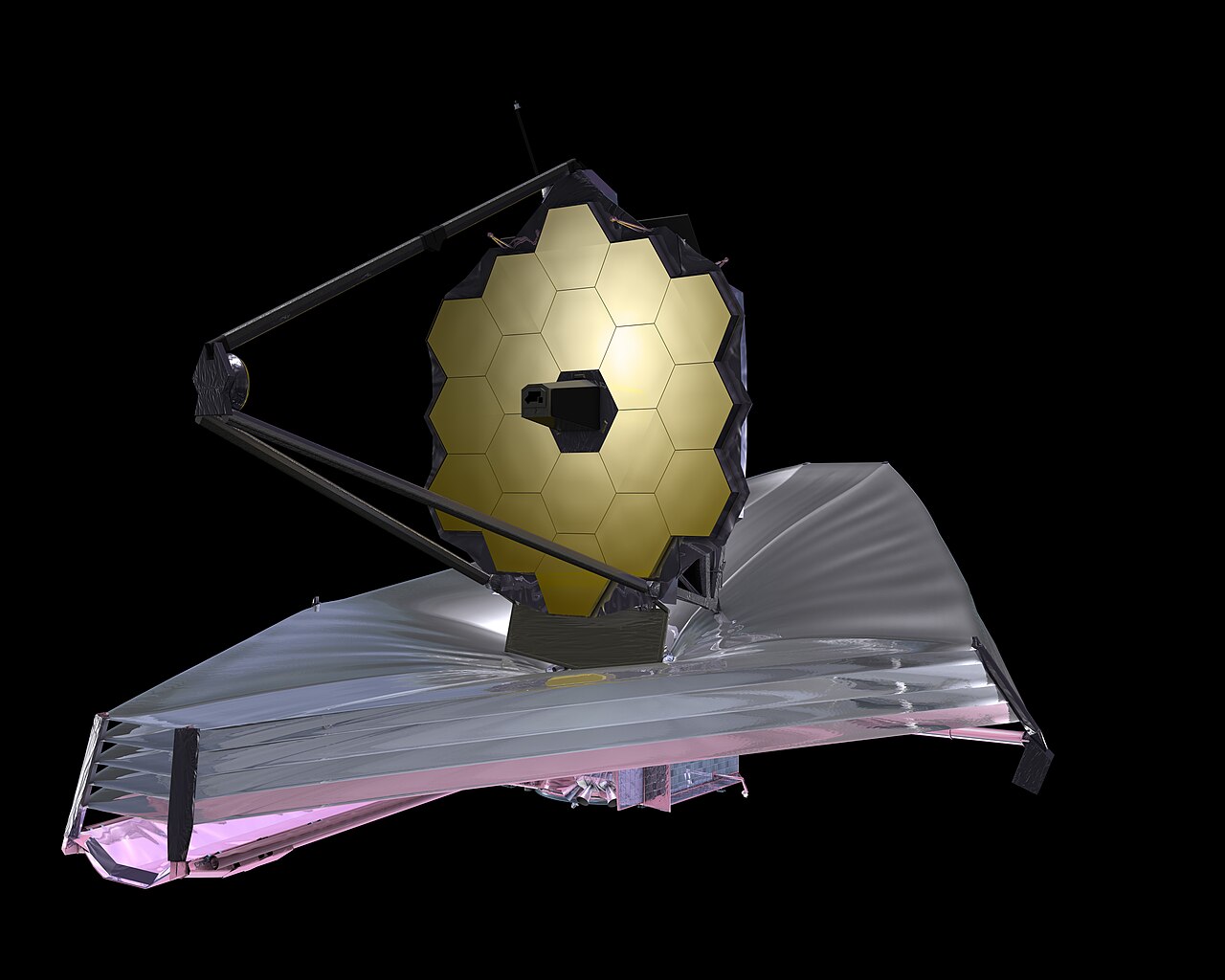
The James Webb Space Telescope is one of the most searched topics today. People are asking why it is in the news again. The answer is that scientists shared three big new results this week. All three came from the same telescope, and all three tell us something new about space.
What Happened
The first result is about two giant black holes in the early universe. Scientists found a pair of quasars, which are very bright objects powered by black holes. The pair is seen as it was about 900 million years after the Big Bang. It is the most distant small pair of quasars ever found. The team published the result on November 10. The second result is about a new way to see planets. Scientists built a computer model of the telescope called FLIP. It removes the glare of stars from old photos. With it, they found a known planet called 51 Eridani b in old Webb data. The planet is about 96 light-years away. Normal methods could not see it at that wavelength, but FLIP could.
The third result may solve a space mystery. Webb found hundreds of small red dots in the early universe. Nobody knew what they were. New computer models suggest they are the birthplaces of the first giant black holes. These black holes may weigh about 10 million times as much as our sun.
Why People Are Talking About It
The Webb telescope cost about $10 billion to build, and it keeps making news. Each new result answers one question and asks new ones. The planet result is a good example. FLIP did not find a new planet, but it showed that old photos can still hide new secrets. That means scientists may find more planets by looking again at data they already have. The quasar pair is also exciting. Scientists do not fully know how such giant black holes formed so early in the universe. Finding two of them close together gives them a new clue. The red dots result is the same kind of clue. It may explain how the biggest black holes were born. Space news keeps drawing big attention, just like SpaceX, which keeps making headlines of its own.
What Happens Next
Scientists will test the FLIP method on more old Webb photos. The next test is whether it can find a planet nobody knew about. Other teams will also check the quasar pair and the red dots results. Science works like that: one team shares a result, and other teams test it. The Webb telescope will keep watching the sky for years. More results will come. For now, these three stories show why people still search for it every time it makes news. Space companies are also pushing ahead on Earth, like SpaceX teaming up with Qualcomm to build mobile network gear.
Final Thoughts
The Webb telescope looks further back in time than any telescope before it. This week it gave us a planet hiding in old data, the oldest quasar pair ever seen, and a possible answer to the red dots mystery. That is a big week for one telescope.
Disclaimer: This article is for educational and informational purposes only and does not constitute financial advice.
Sources: Webb results roundup — https://stepphase.com/tech-news/james-webb-telescope-this-week-quasar-pair-h3-flip/ ; University of Portsmouth — https://www.port.ac.uk/news-events-and-blogs/news/james-webb-telescopes-controversial-little-red-dots-finally-explained