Tag: astronomy

  • Why Everyone Is Searching for the James Webb Space Telescope

    Why Everyone Is Searching for the James Webb Space Telescope

    Introduction

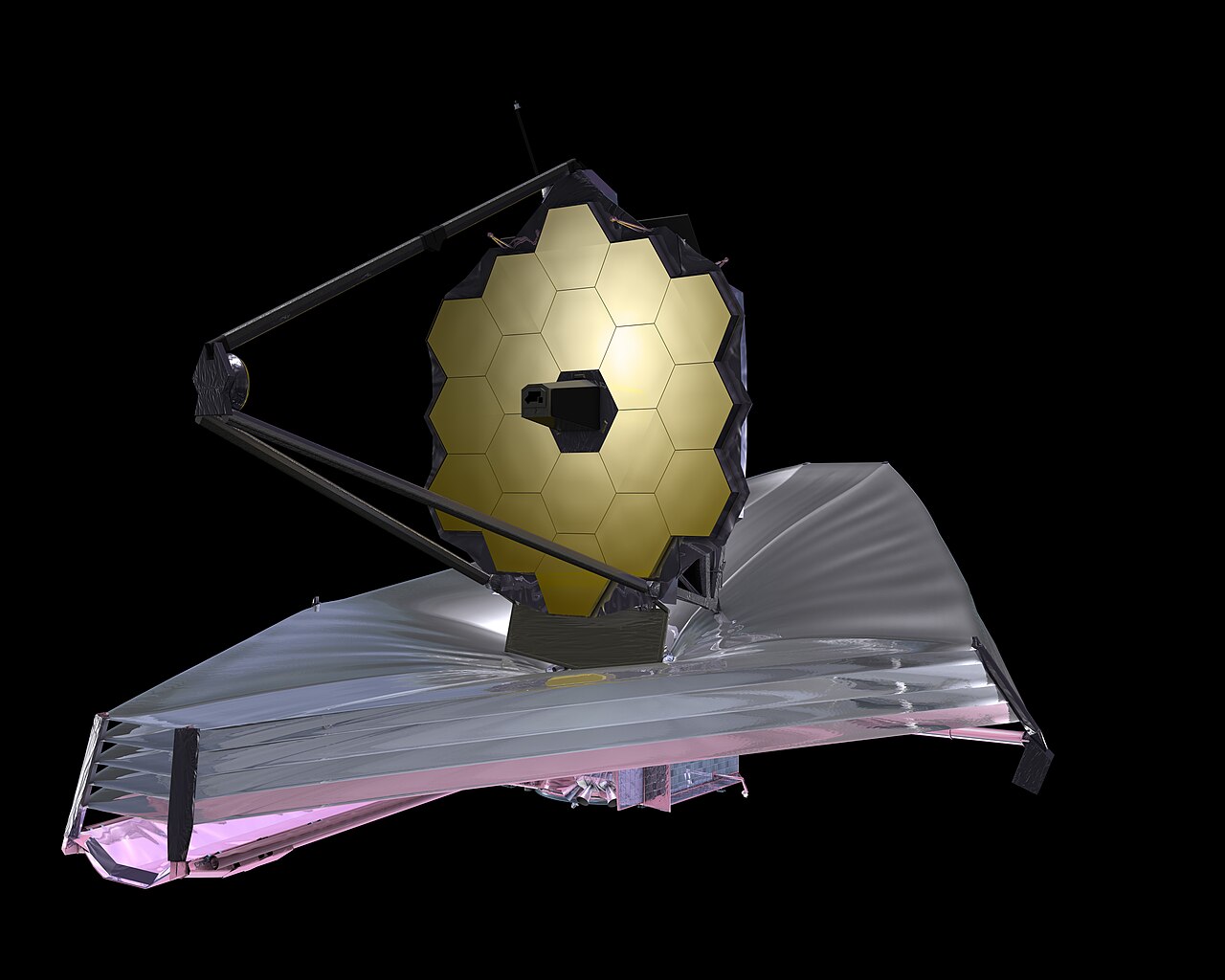
    The James Webb Space Telescope is one of the most searched topics today. People are asking why it is in the news again. The answer is that scientists shared three big new results this week. All three came from the same telescope, and all three tell us something new about space.

    What Happened

    The first result is about two giant black holes in the early universe. Scientists found a pair of quasars, which are very bright objects powered by black holes. The pair is seen as it was about 900 million years after the Big Bang. It is the most distant small pair of quasars ever found. The team published the result on November 10. The second result is about a new way to see planets. Scientists built a computer model of the telescope called FLIP. It removes the glare of stars from old photos. With it, they found a known planet called 51 Eridani b in old Webb data. The planet is about 96 light-years away. Normal methods could not see it at that wavelength, but FLIP could.

    The third result may solve a space mystery. Webb found hundreds of small red dots in the early universe. Nobody knew what they were. New computer models suggest they are the birthplaces of the first giant black holes. These black holes may weigh about 10 million times as much as our sun.

    Why People Are Talking About It

    The Webb telescope cost about $10 billion to build, and it keeps making news. Each new result answers one question and asks new ones. The planet result is a good example. FLIP did not find a new planet, but it showed that old photos can still hide new secrets. That means scientists may find more planets by looking again at data they already have. The quasar pair is also exciting. Scientists do not fully know how such giant black holes formed so early in the universe. Finding two of them close together gives them a new clue. The red dots result is the same kind of clue. It may explain how the biggest black holes were born. Space news keeps drawing big attention, just like SpaceX, which keeps making headlines of its own.

    What Happens Next

    Scientists will test the FLIP method on more old Webb photos. The next test is whether it can find a planet nobody knew about. Other teams will also check the quasar pair and the red dots results. Science works like that: one team shares a result, and other teams test it. The Webb telescope will keep watching the sky for years. More results will come. For now, these three stories show why people still search for it every time it makes news. Space companies are also pushing ahead on Earth, like SpaceX teaming up with Qualcomm to build mobile network gear.

    Final Thoughts

    The Webb telescope looks further back in time than any telescope before it. This week it gave us a planet hiding in old data, the oldest quasar pair ever seen, and a possible answer to the red dots mystery. That is a big week for one telescope.

    Disclaimer: This article is for educational and informational purposes only and does not constitute financial advice.

    Sources: Webb results roundup — https://stepphase.com/tech-news/james-webb-telescope-this-week-quasar-pair-h3-flip/ ; University of Portsmouth — https://www.port.ac.uk/news-events-and-blogs/news/james-webb-telescopes-controversial-little-red-dots-finally-explained

  • Hubble Spots a 93-Billion-Mile ‘Cat’s Tail’ Near a Young Star

    Hubble Spots a 93-Billion-Mile ‘Cat’s Tail’ Near a Young Star

    Introduction

    The Hubble Space Telescope has spotted a giant structure near a young star. The structure is about 93 billion miles long. It is called the ‘Cat’s Tail’ because of its shape. The star is Beta Pictoris.

    What Happened

    Beta Pictoris is a young star. It is only about 20 million years old. It sits 63 light-years from Earth. A light-year is the distance light travels in one year. Around the star, there is a huge disk of dust and rocky debris.

    The James Webb Space Telescope first found the Cat’s Tail. It saw the tail in infrared light. Infrared light is a kind of light our eyes cannot see. The tail stayed hidden from normal telescopes for a long time. Now Hubble has seen it in visible light for the first time.

    Visible light is the kind of light our eyes can see. The new Hubble images used more than 14 years of observations. They show the tail in much more detail than before. The findings were published in The Astrophysical Journal Letters. The study was led by Arin Avsar, a doctoral student at the University of Arizona.

    Why People Are Talking About It

    Scientists think the Cat’s Tail came from a huge crash in space. Two large bodies may have hit each other long ago. The crash was like a collision between two objects the size of Pluto. The crash threw huge amounts of dust out into space.

    The dust in the tail is very strange. It is made mostly of carbon-based material. This material soaks up visible light, so the dust looks almost black. That is one reason the tail was so hard to see. The dust grains are also tiny, only about a micron across. A micron is one millionth of a meter.

    Hubble also changed what scientists thought about the tail’s shape. Earlier, they thought it stretched far behind the star. Now they think it stretches sideways across our view of the sky. The tail may sit in the same flat plane as the star.

    What Happens Next

    Hubble also found a new bend in the dust around the star. The bend may come from a giant planet called Beta Pictoris b. The planet is a gas giant about 10 times the mass of Jupiter. Jupiter is the largest planet in our solar system. The planet’s gravity may be pushing the dust out of shape.

    Scientists will keep studying this young star system. It works like a window into the past. Our own solar system may have looked like this when it was young.

    Each new image adds one more piece to the puzzle. Space fans can also read our story about the Artemis II rocket in the Trending Now section of this blog.

    Final Thoughts

    This is a quiet but amazing discovery. A crash between two space rocks left a tail 93 billion miles long. It stayed hidden for years because its dust is almost black. Now Hubble has brought it into view.

    Disclaimer: This article is for educational and informational purposes only and does not constitute financial advice.

    Sources: SciTechDaily – Hubble Uncovers a Mysterious 93-Billion-Mile Structure Hiding in a Nearby Star System and Phys.org – Enormous ‘Cat’s Tail’ tells of cosmic collision 63 light-years away.