Tag: Travel

  • Ryanair Profit Falls 15% as Fuel Costs Soar, and Fares May Rise 20%

    Ryanair Profit Falls 15% as Fuel Costs Soar, and Fares May Rise 20%

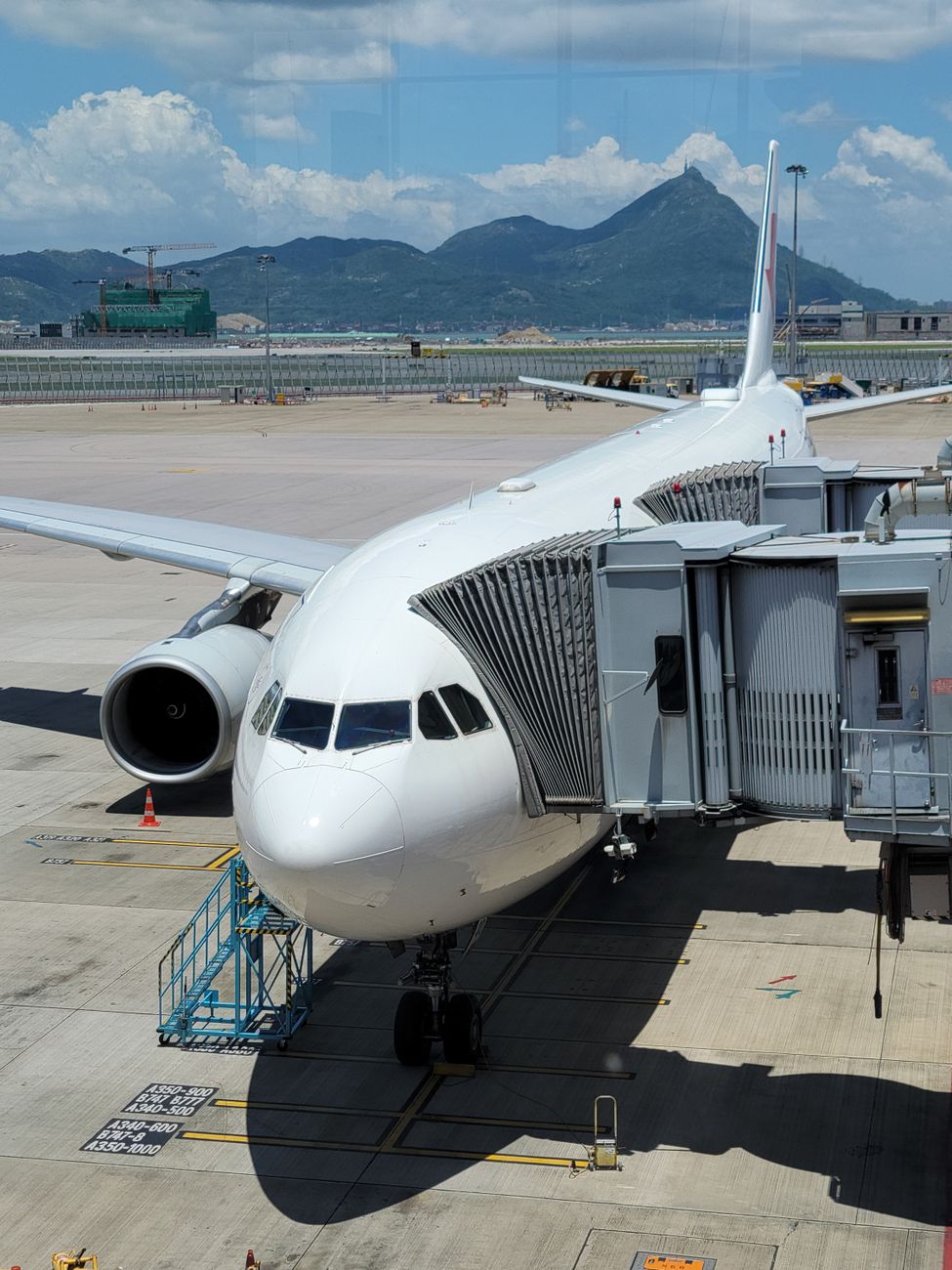
    Ryanair is a budget airline. A budget airline sells cheap tickets. It flies people across Europe. On Monday, November 2, Ryanair shared its half-year results. A half-year result is a money report for six months.
    The news was mixed. More people flew with Ryanair. But the company made less money. Fuel got much more costly. That is the main reason.
    What Happened
    Ryanair’s profit fell 15%. Profit means the money left after a company pays its costs. Profit after tax was 2.15 billion euros. That is about $2.3 billion. A year earlier, it was 2.54 billion euros.
    But passengers grew. Ryanair carried 125.8 million people in the half year. That is 6% more than last year. Revenue rose 3% to 10.08 billion euros. Revenue means all the money a company brings in, before costs.
    So why did profit fall? Two reasons. First, average fares fell 4%. The average fare was 55.70 euros, down from 58 euros. A fare is the price of a ticket. Second, costs rose 10% to 7.69 billion euros. Fuel was the biggest problem.
    The Fuel Problem
    Airlines buy jet fuel to fly planes. Fuel prices move a lot. To protect itself, Ryanair locks in fuel prices in advance. This is called hedging. Hedging means making a deal now to pay a set price later. It is like buying winter coats in summer, when they are cheap.
    Ryanair locked in 80% of its fuel for this year at $67 a barrel. A barrel is a large unit for oil. That deal shielded it well. But the other 20% was not locked in. The price of that unhedged fuel doubled, to about $130 a barrel. The boss said jet oil is now $170 a barrel.
    Next year looks harder. Ryanair thinks its fuel bill for the year to March 2028 could rise by about 2 billion euros. It has locked in only 25% of next year’s fuel, at $95 a barrel. That is much less cover than this year.
    The boss, Michael O’Leary, gave a clear warning. He said fares across Europe could rise by 10% in 2027, and maybe up to 20%. He called next year a very big cost cliff for airlines. A cost cliff means costs jump up all at once.
    He also said higher short-haul fares alone may not cover the full fuel rise. Short-haul means short flights. So Ryanair is cutting costs too. It will review crew rations, which are food and perks for staff. It may freeze pay for a time. It will also use smart computer programs to work more efficiently.
    Other Numbers
    Ryanair held 2.6 billion euros in cash at the end of September. It had just repaid 1.3 billion euros of debt. Debt is money a company owes. The boss said the airline now has almost no debt and owns 650 planes.
    Ryanair also cut its passenger target for the full year. It now expects 214 million passengers, down from 216 million. It wants less flying in winter, when fuel costs bite hardest.
    Its shares rose 3.7% on the day of the news in Ireland. But the shares had fallen about 19% over the year before that. A share is a small piece of a company. When you own a share, you own a tiny part of that company.
    Why It Matters
    Ryanair is Europe’s biggest budget airline. When its costs rise, ticket prices often follow. Other airlines face the same fuel problem. So cheap flights may get less cheap in 2027. That matters to anyone who plans a holiday in Europe.
    What Happens Next
    Much depends on fuel prices and world events. If fuel stays costly, fares will likely rise. If fuel gets cheaper, the pressure eases. Ryanair will also try to cut costs and fly fuller planes. We will watch its next report for signs of change.
    Key figures:

  • Frontier Airfares Jump 71% as Fuel Costs Soar and a Rival Disappears

    Frontier Airfares Jump 71% as Fuel Costs Soar and a Rival Disappears

    INTRODUCTION

    Flying with America’s largest budget airline is not as cheap as it used to be. Frontier Airlines said its average fare revenue per passenger jumped 71% in the third quarter, to $67.82, up from $39.74 a year earlier. The airline raised prices to deal with soaring fuel costs, and passengers kept booking anyway.

    WHAT HAPPENED

    Frontier reported record third-quarter total revenue of $1.355 billion, up 53% from a year earlier. It carried more than 9.8 million passengers, up 18%, or about 1.5 million more people than a year earlier. Capacity, which measures how many seats the airline flew, rose 18%.

    But higher prices did not turn into a profit. Frontier posted a net loss of $104 million in the quarter, wider than the $77 million loss a year earlier. The main reason was fuel. Its fuel bill soared 82% to $425 million. The airline paid an average of $3.96 per gallon for fuel in the quarter, 56% more than a year earlier.

    Including fees for bags and other extras, total revenue per passenger rose 30% to $138.22. That is an important detail: the 71% figure covers the ticket fare alone, not the full cost of flying.

    WHY IT HAPPENED

    Three things pushed fares higher, and Frontier’s chief executive Jimmy Dempsey said each played a roughly equal part. First, fuel got much more expensive, so the airline passed some of that cost to passengers. Second, Frontier got better at pricing, charging more on routes where demand was strong. Third, competition disappeared: Spirit Airlines stopped flying in May 2026, and Frontier added routes that Spirit used to fly, removing a direct low-fare rival from many markets.

    Fuel is the biggest pressure going forward. Frontier expects its average fuel cost to rise to about $4.75 per gallon in the fourth quarter. Industry airfares in September were already up about 22% from a year earlier, so Frontier’s jump is part of a wider trend, just a steeper version of it.

    KEY FIGURES

    • Average fare revenue per passenger: $67.82, up 71% from $39.74
    • Total revenue per passenger, including fees: $138.22, up 30%
    • Total revenue: $1.355 billion, up 53%, a third-quarter record
    • Passengers carried: more than 9.8 million, up 18%
    • Fuel bill: $425 million, up 82%
    • Average fuel cost: $3.96 per gallon in the quarter, vs about $4.75 expected in the fourth quarter
    • Net loss: $104 million, vs $77 million a year earlier

    WHY IT MATTERS

    Frontier is a test case for budget travel. The whole idea of a budget airline is low fares. When the cheapest airline raises its average fare by 71%, it shows how much pressure fuel prices are putting on the industry. It also shows that travellers are still willing to pay more, at least for now, since passenger numbers rose.

    It matters for holiday travel too. Frontier expects unit revenue, a measure of how much it earns per seat flown, to stay more than 20% higher in the holiday quarter. That points to fares staying well above last year’s levels through the holidays.

    WHAT HAPPENS NEXT

    Frontier forecast fourth-quarter results ranging from an adjusted loss of 15 cents per share to adjusted earnings of up to 5 cents per share. It also plans to keep capacity growth slower, at 5% to 6%, in the fourth quarter.

    The key question is fuel. If jet fuel prices stay high, fares will likely stay high as well. If fuel prices fall, Frontier could bring fares down, but with one less rival in the market, there is less pressure on it to do so quickly. Travellers booking holiday flights should compare the full price, including bag fees, rather than just the headline fare.

    FINAL THOUGHTS

    Frontier’s quarter tells a simple story: higher costs, higher fares, and still more passengers. The airline is making more money per passenger, but fuel is eating most of the gain. For travellers, the lesson is clear. Budget flying is still possible, but the gap between budget and regular airlines is getting smaller, and the cheapest ticket on the screen is rarely the full price you will pay.

    Related post: https://thefinanceclass.wordpress.com/2026/10/31/trump-energy-promise-gas-diesel-jet-fuel-prices/

    Disclaimer: This article is for educational and informational purposes only and does not constitute financial advice.

    Sources: CNBC, https://www.cnbc.com/2026/10/28/frontier-airlines-airfare-plane-tickets.html ; Fast Company, https://www.fastcompany.com/91631443/a-budget-airline-just-revealed-a-startling-change-in-the-cost-of-flying

  • Norwegian Cruise Shares Jump 13% After Earnings Beat and Raised Outlook

    Norwegian Cruise Shares Jump 13% After Earnings Beat and Raised Outlook

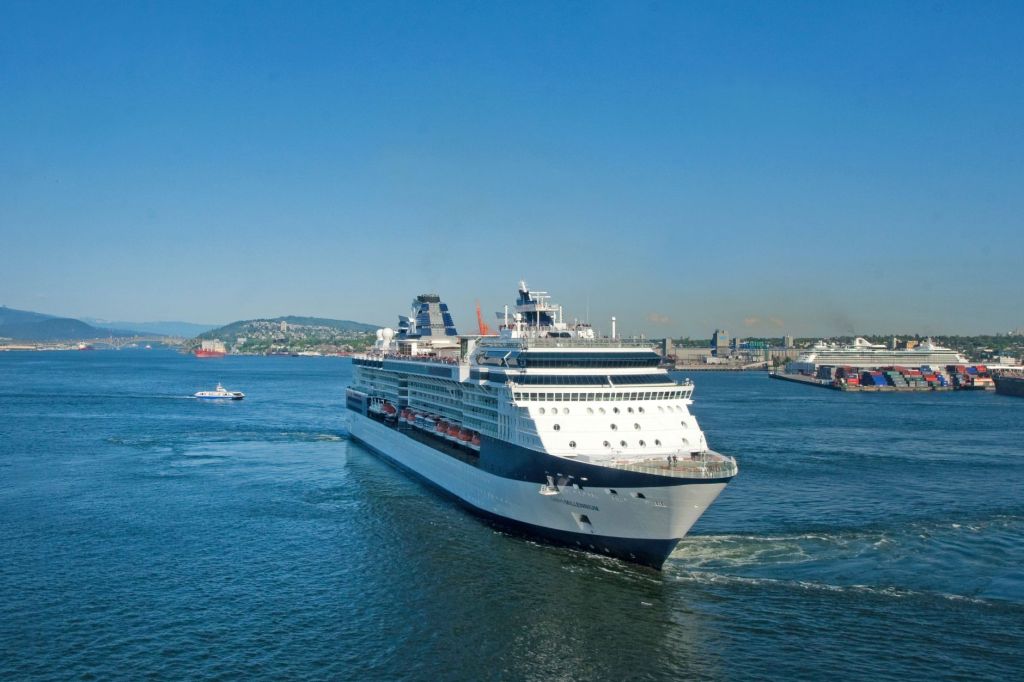
    Norwegian Cruise Line Holdings had one of the best days on the stock market on October 29. Its shares jumped about 13% after the cruise operator reported third-quarter results that beat expectations and raised its outlook for the full year.

    What Happened

    Norwegian reported third-quarter revenue of $2.95 billion, above analyst expectations of about $2.88 billion. Net income was $491 million, or $1.07 per share, up from $419 million a year earlier. On an adjusted basis, earnings were $1.12 per share, beating both the company’s own guidance of 90 cents and analyst estimates of about 94 cents.

    Adjusted EBITDA — a measure of operating profit before interest, tax, depreciation and amortisation — was $937 million, above the company’s guidance of $874 million. Shares closed at $18.22, up 13.45%, on very heavy trading volume of 63 million shares, about 241% above the three-month average.

    Management then raised its full-year outlook: adjusted EBITDA of about $2.55 billion and adjusted earnings of about $1.70 per share, up from a previous forecast of $1.50 per share. Adjusted net income for the year is now projected at $789 million, up from $700 million.

    Why It Happened

    Two things drove the beat: late bookings and onboard spending. More people booked cruises closer to departure, and passengers spent more once on board. Occupancy reached 106.5%, above the company’s 104% expectation — cruise ships can report occupancy above 100% because some cabins hold more than two guests.

    Costs also helped. Adjusted net cruise cost, excluding fuel, per capacity day improved by 2.2% to $152. CEO John Chidsey said the company delivered results above guidance while improving efficiency and the guest experience.

    There is a nuance worth noting: revenue was up less than 1% from a year earlier, and net yield — a measure of revenue per available cabin day — fell 6.7% in constant currency. That was still better than the 8.9% decline management had forecast, but it shows ticket prices were lower even as more cabins were filled.

    Why It Matters

    Norwegian’s stock had been under pressure. Even after Thursday’s 13% jump, shares were still down more than 18% for the year. A beat like this matters because it suggests the company’s turnaround plan — cutting costs, filling ships, and improving onboard revenue — is working, even if pricing remains soft.

    It also matters for the travel sector: cruises are a good test of consumer spending on experiences, and strong late bookings suggest people are still willing to spend on holidays, at least when the price is right.

    Norwegian also announced a leadership change: Chief Strategy Officer Meghan Montana will become chief financial officer on January 1, 2027, succeeding Mark Kempa.

    Key Figures

    FigureQ3 2026
    Revenue$2.95 billion, vs about $2.88 billion expected
    Net income$491 million, or $1.07 per share
    Adjusted EPS$1.12, vs about $0.94 expected
    Adjusted EBITDA$937 million, vs $874 million guided
    Share move (Oct 29)Up 13.45% to $18.22
    Full-year adjusted EPS outlookAbout $1.70, up from $1.50
    Full-year adjusted EBITDA outlookAbout $2.55 billion

    What Happens Next

    Management expects net yield to fall about 4.4% for the full year in constant currency, and to decline about 6.5% in the fourth quarter, partly because of a delayed new ship and cancelled sailings through the Suez Canal. But it expects net yield growth of 1% to 2% in 2027, picking up in the second half.

    The key test for 2027 is pricing: Norwegian needs ticket prices to stop falling and start rising again, while keeping ships full. First-half 2027 bookings still lag last year, so that recovery is not guaranteed yet.

    Final Thoughts

    Norwegian’s quarter was a genuine beat, and the market rewarded it with a 13% jump. The company filled its ships, controlled costs, and raised its outlook. But the softer pricing underneath is a reminder that the turnaround is still in progress. If 2027 brings the yield growth management expects, this quarter may be remembered as a turning point.

    Disclaimer: This article is for educational and informational purposes only and does not constitute financial advice.

    Sources: CNBC, “Norwegian shares surge 13% on earnings beat, guidance raise” (https://www.cnbc.com/2026/10/29/norwegian-earnings-guidance-shares.html); The Motley Fool, “Why Norwegian Cruise Line Stock Jumped Today” (https://www.fool.com/investing/2026/10/29/why-norwegian-cruise-line-stock-jumped-today/)

    Related consumer earnings — Starbucks’ US store recovery: https://thefinanceclass.wordpress.com/2026/10/30/starbucks-profit-beat-revenue-miss-us-recovery/

Is this your new site? Log in to activate admin features and dismiss this message
Log In