Tag: Restaurants

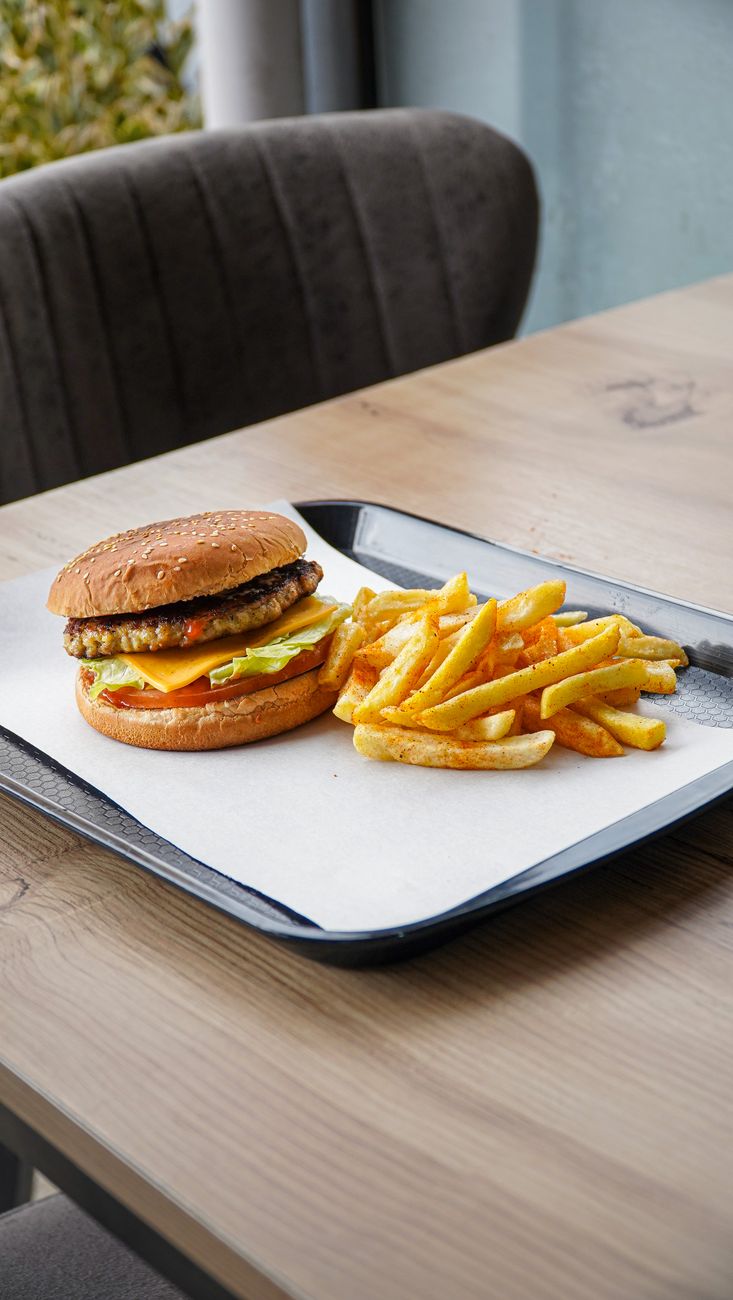
  • Burger King’s Comeback Lifts Restaurant Brands, but Popeyes Still Lags

    Burger King’s Comeback Lifts Restaurant Brands, but Popeyes Still Lags

    Introduction

    Restaurant Brands International, the company behind Burger King, Tim Hortons, and Popeyes, reported mixed third-quarter results: profit slightly beat expectations, revenue slightly missed them. The real story was the split inside the company — Burger King is booming, Popeyes is still struggling.

    What Happened

    Revenue rose 3.1% to $2.53 billion, just below the $2.54 billion analysts expected. Adjusted earnings per share came in at $1.10, ahead of the $1.09 forecast and up 6.9% from $1.03 a year earlier. Net income attributable to shareholders jumped to $542 million, or $1.54 per share, from $315 million, or 96 cents, a year earlier. Shares fell about 2% in morning trading after the report.

    Across all its restaurants, same-store sales grew 3.8%, the fifth straight quarter above 3%. System-wide sales grew 6.2%, and the company ended the quarter with 33,401 restaurants in more than 120 countries.

    The brand breakdown tells the story. Burger King US same-store sales surged 8.4%, and management said the brand has reclaimed the No. 2 spot in the US burger category. Tim Hortons Canada grew 1.8%. International same-store sales rose 3.9%, the 22nd straight quarter of growth. Popeyes US same-store sales fell 2.2%.

    Why It Happened

    Burger King’s turnaround, called “Reclaim the Flame,” is a multiyear effort focused on better food, remodelled restaurants, and improved operations. It is now clearly working in the US: 8.4% growth is roughly two and a half times the 3.2% the brand posted in the same quarter last year. Burger King nugget sales have also risen more than 35% since the September 1 relaunch with 100% white meat chicken. The company also picked up refranchising — selling company-owned restaurants to franchisees — with 135 refranchised so far this year.

    Popeyes faces a different problem: tough competition. Rival chicken chains have been drawing customers with discounts, and Popeyes’ recovery is taking longer than management previously hoped. The company no longer expects Popeyes to return to positive same-store sales in the second half of 2026, although traffic is improving.

    Why It Matters

    Restaurant Brands is a useful example of why a company’s overall result can hide two different stories. The group beat on profit because Burger King and the international business are strong. But Popeyes shows that a turnaround in one brand does not automatically fix another — each chain has its own customers, competitors, and problems.

    For Burger King fans and investors, the 8.4% number matters because it shows the turnaround is not a one-quarter fluke. Five straight quarters of group same-store sales above 3% suggests the improvement is broad, not just a promotion-driven blip.

    What Happens Next

    Management reaffirmed that 2026 is on track for 8% organic adjusted operating income growth, and said refranchising will accelerate into 2027, with a couple of hundred restaurants expected to be refranchised this year. The company also declared a fourth-quarter dividend of $0.65 per share, payable January 5, 2027, and returned $569 million to shareholders during the quarter.

    For Popeyes, the watch item is simple: when does the decline stop? Management has stopped promising a quick return to growth, so investors should expect a longer, slower fix built on operations and core menu focus rather than a sudden bounce.

    Final Thoughts

    This was a good quarter powered by one brand. Burger King’s comeback is real and it is carrying the group, while Popeyes remains the weak spot. Restaurant Brands’ challenge now is to prove it can fix its second problem as well as it fixed its first.

    Key figures

    • Revenue: $2.53 billion, up 3.1% (expected: $2.54 billion)
    • Adjusted EPS: $1.10 (expected: $1.09; last year: $1.03)
    • Same-store sales: +3.8% group-wide; Burger King US +8.4%; Popeyes US −2.2%; International +3.9%
    • System-wide sales growth: 6.2%
    • Restaurants: 33,401 in 120+ countries
    • Net income: $542 million (was $315 million)
    • Q4 dividend: $0.65 per share, payable January 5, 2027

    Disclaimer: This article is for educational and informational purposes only and does not constitute financial advice.

    Sources: CNBC — https://www.cnbc.com/2026/10/29/restaurant-brands-international-qsr-q3-2026-earnings.html — and the Restaurant Brands Q3 2026 earnings call transcript.
  • Chipotle Shares Jump 7% as CEO Says Sales Growth Will Continue

    Chipotle Shares Jump 7% as CEO Says Sales Growth Will Continue

    Introduction

    Chipotle’s latest results were mixed on paper: profit missed expectations, but sales beat them. Investors focused on the sales — and on what the CEO said about the rest of the year — and sent the shares up about 7% in after-hours trading.

    What Happened

    For the third quarter of 2026, Chipotle reported revenue of $3.29 billion, up 9.6% from a year earlier and in line with expectations. Same-store sales — sales at restaurants open at least 13 months — rose 2.1%, beating the 1.5% analysts had expected, helped by a 1.3% increase in the average check. It was the chain’s third straight quarter of same-store sales growth.

    Profit was the weak spot. Net income fell to $339.9 million, or 27 cents per share, from $382.1 million, or 29 cents, a year earlier. Adjusted earnings of 27 cents per share also missed the 29 cents analysts forecast. The restaurant-level operating margin narrowed to 23.3% from 24.5%, as beef and freight costs rose.

    The shares still jumped about 7% after the report. The reason was the outlook: CEO Scott Boatwright said sales trends, which softened in early October, had returned to growth, and that he felt “very confident that November and December set up very well for us.” The company expects fourth-quarter same-store sales growth of about 2%, and executives later said they expect to exit the quarter with comparable sales up around 3% to 4%.

    Why It Happened

    Chipotle’s recovery has been built on getting customers back through the door. The company says lower-income customers are spending more at its restaurants, and its “Recipe for Growth” plan — new menu items, digital improvements, and marketing — is gaining traction. Transactions rose 0.8%, the third straight quarter of positive transaction growth, after a difficult 2025 in which same-store sales fell for the full year.

    At the same time, costs are biting. Higher beef prices and freight charges, partly linked to soaring diesel prices, pushed margins down. Chipotle raised menu prices by 2.7% in the quarter to help offset inflation, and plans another increase of about 3% in the fourth quarter.

    Why It Matters

    Chipotle is a useful test of the everyday consumer. Its customers are not luxury shoppers — they are ordinary people deciding whether a burrito is worth it that week. When same-store sales and transactions both rise, it suggests consumers are still willing to spend on small treats, even while watching prices elsewhere.

    The market reaction also shows what investors care about right now: direction, not just the quarter’s profit. A profit miss would normally hurt a stock. But a CEO credibly saying the final two months look strong was enough to outweigh it — though at least four brokerages still cut their price targets, a reminder that not everyone is convinced.

    What Happens Next

    Chipotle kept its full-year forecast for low-single-digit same-store sales growth. For 2027, it plans to open 340 to 360 company-owned restaurants in the US and Canada, plus 15 to 25 international locations. It is also bringing back smoked brisket for a limited time from November 5, timed for the holiday and football season.

    The key watch item is margins. If beef and freight costs keep rising faster than menu prices, profit will stay under pressure even as sales grow. The fourth quarter, with its price rises and holiday traffic, will show whether Chipotle can grow sales and protect profit at the same time.

    Final Thoughts

    This was a “good enough” quarter that became a good day for the stock because of the outlook. Sales beat expectations, traffic is growing again, and the CEO is confident about the holidays. But profit missed and margins shrank — the recovery is real, but it is not yet cheap to deliver.

    Key figures

    • Revenue: $3.29 billion, up 9.6% (in line with expectations)
    • Same-store sales: +2.1% (expected: +1.5%)
    • Adjusted EPS: $0.27 (expected: $0.29)
    • Net income: $339.9 million, down from $382.1 million
    • Restaurant-level margin: 23.3% (was 24.5%)
    • Q4 same-store sales guidance: ~2%
    • Shares: up ~7% in after-hours trading

    Disclaimer: This article is for educational and informational purposes only and does not constitute financial advice.

    Sources: CNBC — https://www.cnbc.com/2026/10/28/chipotle-mexican-grill-cmg-q3-2026-earnings.html — and Reuters coverage of the results.

  • Starbucks Beats Profit Expectations as US Stores Recover, but Revenue Falls Short

    Starbucks Beats Profit Expectations as US Stores Recover, but Revenue Falls Short

    Starbucks reported mixed results on Thursday, October 29, and the market’s reaction was muted. The coffee chain beat profit expectations and its US stores performed better than expected, but total revenue fell short. Shares slipped nearly 2% in after-hours trading.

    It is a good example of a turnaround that is working in one place but not yet everywhere.

    What Happened

    For its fiscal fourth quarter, which ended September 27, 2026, Starbucks reported adjusted earnings of $0.80 per share, beating the $0.72 analysts expected. Reported net income rose to $677.2 million, or $0.59 per share, from $133.1 million a year earlier, when restructuring costs weighed on profits.

    Revenue, however, fell 4% to $9.14 billion, below the $9.23 billion analysts expected. The main reason for the drop is not weak demand. Starbucks converted its China retail business into a licensed joint venture earlier in the year, which means those sales no longer count in the same way in its reported revenue.

    The most encouraging number was same-store sales, which measure sales at stores open for at least a year. Global same-store sales rose 7.2%, beating the 6% analysts expected. US same-store sales rose 7.7%, above the 6.5% forecast. That was the company’s fifth straight quarter of better-than-expected same-store sales growth.

    International stores were the weak spot. Same-store sales outside North America rose only 0.9%, well below the 3.2% analysts expected, as fewer customers visited, even though those who came spent more per visit.

    For the full fiscal year, revenue rose 2% to $37.9 billion, and adjusted earnings rose 28% to $2.72 per share.

    Why It Happened

    Starbucks has been working on a turnaround plan called “Back to Starbucks,” focused on faster service, better stores and popular seasonal products. In the United States, that plan appears to be working. Customers are visiting more often, and average spending per visit rose, helped by seasonal drinks and menu changes.

    Outside the United States, the recovery is slower. International traffic fell, which offset higher spending per visit. The company also closed about 250 company-owned stores in North America in September as part of a review of its store network, and it opened 303 net new stores overall in the quarter, ending with 41,607 locations worldwide.

    Think of it like a chain of shops where the home stores are busy again, but the overseas shops are still quiet. The overall picture looks mixed because the two parts are moving in different directions.

    Key Figures

    • Q4 revenue: $9.14 billion, down 4% (expected: $9.23 billion)
    • Q4 adjusted earnings per share: $0.80 (expected: $0.72)
    • Q4 reported net income: $677.2 million, or $0.59 per share
    • Global same-store sales: up 7.2% (expected: 6%)
    • US same-store sales: up 7.7% (expected: 6.5%)
    • International same-store sales: up 0.9% (expected: 3.2%)
    • Full-year revenue: $37.9 billion, up 2%
    • Fiscal 2027 adjusted earnings forecast: $3.15 to $3.25 per share

    Why It Matters

    Starbucks is one of the most watched consumer brands in the world, and its results say something about everyday spending. When US same-store sales grow 7.7%, it suggests American consumers are still willing to pay for a daily coffee, even at higher prices. But weak international traffic is a reminder that the recovery is not global yet.

    The results also show why revenue alone can mislead. Starbucks’ revenue fell mainly because of the China accounting change, not because customers stopped buying coffee. Same-store sales, which compare like with like, tell a healthier story.

    What Happens Next

    For fiscal 2027, Starbucks expects adjusted earnings of $3.15 to $3.25 per share, slightly above the $3.14 analysts expected. But it also expects total revenue to fall about 1%, below the 1.4% growth analysts had forecast, again largely because of the China change. The company expects North American same-store sales to grow about 4%.

    Chief executive Brian Niccol said Starbucks enters the new fiscal year with momentum and is ahead of schedule on its targets for fiscal 2028. The test will be whether international stores start to recover the way US stores have.

    Final Thoughts

    Starbucks’ quarter was neither a clear win nor a clear loss. The US turnaround is gaining steam, profits beat expectations, and the company raised its ambitions. But revenue missed, and international stores lagged. For investors, the question is simple: can the US recovery spread to the rest of the world?

    Disclaimer: This article is for educational and informational purposes only and does not constitute financial advice.

    Sources: CNBC, “Starbucks sales miss expectations, but its U.S. turnaround is gaining steam” (https://www.cnbc.com/2026/10/29/starbucks-sbux-q4-2026-earnings.html); Seeking Alpha earnings recap (https://seekingalpha.com/news/4660702-starbucks-revenue-miss-overshadows-solid-fq4-results-upbeat-profit-guidance).

Is this your new site? Log in to activate admin features and dismiss this message
Log In