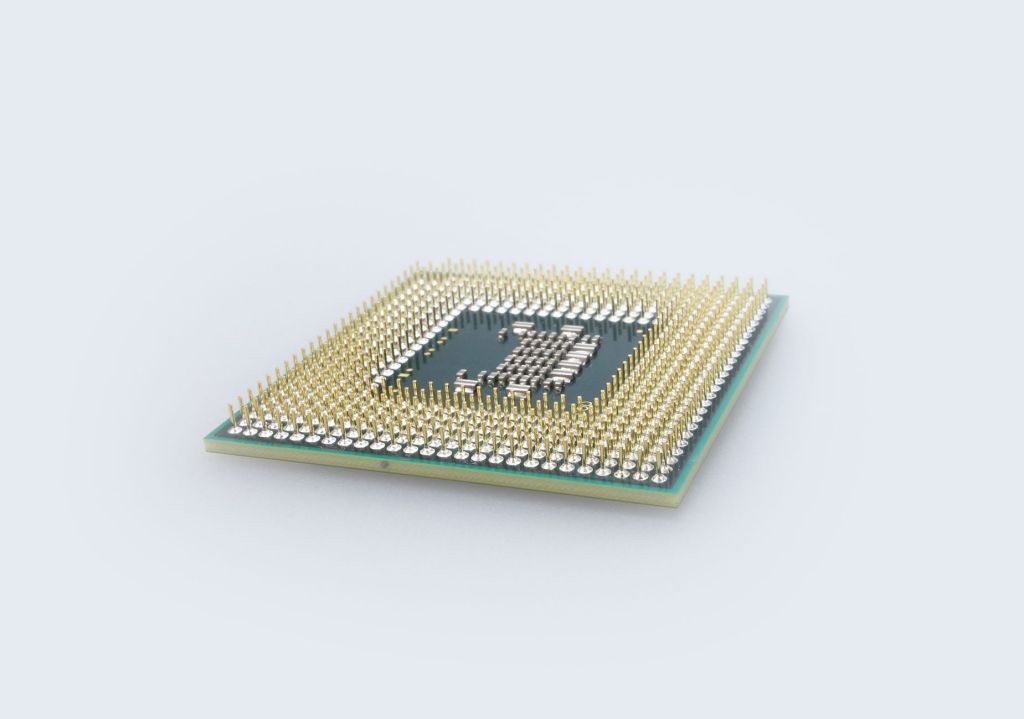
Intel delivered a strong third quarter, and its stock still crashed. Shares fell about 25% in premarket trading on Friday, October 30, after the chipmaker gave a weak forecast for the final three months of the year.
It is a strange situation: the company beat expectations, yet investors ran for the exit. The reason is simple. In the stock market, what a company says about the future often matters more than what it just did.
What Happened
Intel reported its third-quarter results on Thursday, October 29, after the market closed. Revenue rose 21% from a year earlier to $16.5 billion. Adjusted earnings per share came in at $0.52, well above the roughly $0.40 analysts expected. The company’s data centre and AI division was the star, with revenue jumping 78% to $7.3 billion, helped by strong demand for its Xeon server chips.
But then came the forecast. For the fourth quarter, Intel expects revenue of only $15.0 billion to $16.0 billion, and adjusted earnings of $0.25 per share. Analysts had expected about $17.1 billion in revenue and $0.43 per share. That gap was enough to send the stock sharply lower, first in after-hours trading on Thursday and then again in premarket trading on Friday.
Why It Happened
Intel pointed to a weak personal computer market. Its PC chip business, called Client Computing, saw revenue fall 5% to $8.1 billion in the third quarter. Management said the PC slowdown is expected to continue at least through the first half of 2027. The company’s chief financial officer, David Zinsner, said global PC shipments could fall about 12% in 2026 and another 10% in 2027.
Supply problems added to the trouble. Intel said it is struggling to make enough chips to meet demand for its Xeon server processors, and an incident at its factory in Israel in October disrupted production for about two weeks. The company estimated that incident would cut fourth-quarter revenue by about $300 million.
Intel also expects its profit margin to shrink. Its adjusted gross margin, which measures how much profit it keeps from each dollar of sales after production costs, is forecast to fall to 38% in the fourth quarter, from 44.1% in the third quarter.
Think of it like a restaurant that had a great month because a big event brought in crowds, but then tells customers that next month will be quiet and costs will be higher. Even if the past month was excellent, people will worry about the next one.
Key Figures
- Q3 revenue: $16.5 billion, up 21% year over year
- Q3 adjusted earnings per share: $0.52 (expected: about $0.40)
- Data centre and AI revenue: $7.3 billion, up 78%
- PC chip revenue: $8.1 billion, down 5%
- Q4 revenue forecast: $15.0 billion to $16.0 billion (expected: about $17.1 billion)
- Q4 adjusted earnings forecast: $0.25 per share (expected: about $0.43)
- Q4 adjusted gross margin forecast: 38%, down from 44.1% in Q3
Why It Matters
Intel’s fall dragged other chip stocks down with it. Shares of AMD, Nvidia and Broadcom all dropped in premarket trading on Friday. When a company as large as Intel warns about the PC market, investors worry the whole industry will feel it.
The story also matters for Intel’s comeback. The company has been trying to rebuild its manufacturing business and win back ground it lost to rivals. A strong data centre quarter shows progress, but the weak forecast reminds investors that the recovery is not smooth, and that making chips is expensive. Intel plans about $20 billion in manufacturing investment in 2026, and even more in 2027, while warning that positive free cash flow may not return this year.
What Happens Next
Investors will watch two things. First, whether PC demand stabilises in early 2027, as Intel hopes, or keeps falling. Second, whether Intel can fix its supply problems and turn strong demand for its server chips into actual sales. The company’s next earnings report, early in 2027, will show whether the weak fourth quarter was a temporary dip or the start of a longer slump.
Final Thoughts
Intel’s quarter is a good example of why “beat expectations” does not always mean “stock goes up.” The past quarter was strong, but the forecast was weak, and the forecast won. For anyone learning about stocks, that is one of the most important lessons: the market is always looking forward.
Disclaimer: This article is for educational and informational purposes only and does not constitute financial advice.
Sources: CNBC, “Amazon falls 7%, Intel plunges 25% in premarket trading, as pressure mounts after earnings” (https://www.cnbc.com/2026/10/30/amazon-intel-earnings-big-tech-ai-spending-concerns.html); Intel Q3 2026 financial results press release (https://www.intc.com/news-events/press-releases/detail/1786/intel-reports-third-quarter-2026-financial-results).

