Introduction
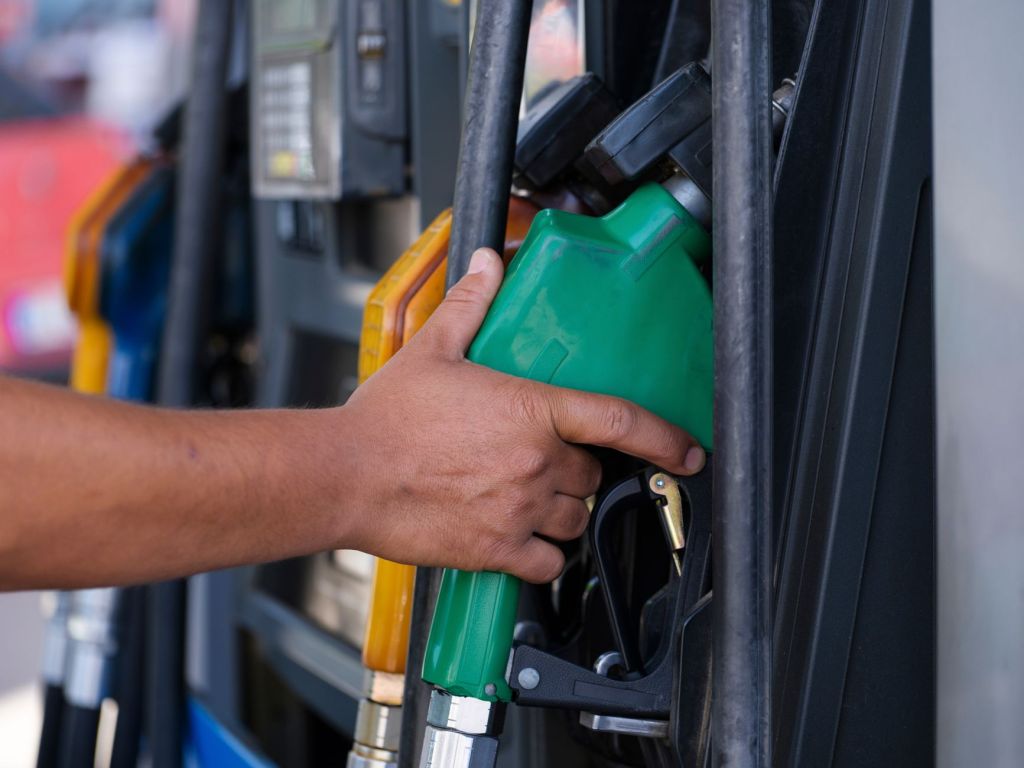
When Donald Trump campaigned for president, he made a clear promise on energy: cut energy prices in half, and get gasoline below $2 a gallon. On October 31, 2026, the numbers tell a very different story. Regular gasoline averaged $4.18 a gallon across the United States, and diesel averaged $6.31. For drivers, truckers, and farmers, fuel is not cheaper. It is more expensive than it was a year ago.
This matters right now because voters go to the polls for the midterm elections on November 3. Fuel prices are one of the costs people notice every week, and they feed into the price of food, flights, and almost everything that moves by truck.
What Happened
CNBC reported on October 31 that gasoline, diesel, and jet fuel have all risen instead of falling. The latest price data backs that up.
Regular gasoline averaged $4.1837 a gallon on October 31. That is down from $4.2957 a week earlier and $4.4343 a month earlier, so prices have eased a little recently. But they are still well above $3.0403 a gallon on October 31, 2025.
Diesel tells a similar story. It averaged $6.3101 a gallon on October 31, down slightly from $6.3374 a week earlier and $6.4139 a month earlier, but far above $3.6876 a year earlier.
Jet fuel has risen even more sharply on one widely watched benchmark. The U.S. Gulf Coast spot price for kerosene-type jet fuel was $4.444 a gallon on October 27, compared with $2.250 on the same date in 2025. That is an increase of 97.5 percent. This is a regional spot benchmark, not the exact price any single airline pays, but it shows how much pressure airlines are facing.
The original promise was ambitious. In a campaign speech on September 5, 2024, Trump said his plan would cut energy prices in half or more within 12 months of taking office, and he also promised gasoline below $2 a gallon.
Key Figures
- Regular gasoline, Oct. 31, 2026: $4.1837 a gallon (vs. $3.0403 a year earlier)
- Diesel, Oct. 31, 2026: $6.3101 a gallon (vs. $3.6876 a year earlier)
- Gasoline a week earlier: $4.2957; a month earlier: $4.4343
- Diesel a week earlier: $6.3374; a month earlier: $6.4139
- Gulf Coast jet fuel spot price, Oct. 27: $4.444 a gallon (vs. $2.250 a year earlier, up 97.5%)
- Trump’s campaign promise: gasoline below $2 a gallon; energy prices cut in half
Why It Happened
There is no single reason fuel prices rose, and presidents do not set pump prices directly. Prices are set by a global market, and several forces pushed them up at the same time.
First, war disrupted supply. The war involving Iran, which began in February 2026, raised fears about shipping through the Strait of Hormuz, a narrow waterway that carries a large share of the world’s oil. Attacks on energy infrastructure linked to the war in Ukraine also took fuel-making capacity offline. When crude oil and refined fuel become harder to move and make, prices usually rise.
Second, refining capacity is tight. Refineries turn crude oil into gasoline, diesel, and jet fuel. When some refineries are shut or running below normal, there is less finished fuel to go around, even if crude oil is available. That shortage has helped push refining profits up sharply this year, a subject covered in recent earnings reports from major oil companies.
Third, the timing worked against the promise. Cutting energy prices in half within a year would require a huge fall in global oil and fuel prices. Instead, the shocks above pushed prices in the opposite direction. Recent data shows gasoline and diesel have eased from their peaks over the past month, but that small pullback has not been enough to bring prices anywhere near $2.
It is also worth being clear about what a president can and cannot do. A president can open up drilling, change regulations, release emergency oil reserves, or push allies to pump more. Those steps can help at the margins, but they do not control wars, global demand, or how much fuel refineries can produce.
Related: Chevron Profit Nearly Triples to $9.9 Billion as Refining Boom Lifts Earnings
Why It Matters
Fuel prices hit almost everyone, but they do not hit everyone equally.
For a driver, $4.18 gasoline means a normal fill-up costs much more than it did a year ago. For a trucking company, $6.31 diesel raises the cost of every delivery. Those costs often get passed on, which is one reason food prices and other goods can rise when fuel rises.
For farmers, diesel powers tractors and trucks, and higher fuel costs squeeze thin margins. For airlines, jet fuel is one of the biggest expenses, so a near-doubling in a benchmark jet fuel price puts upward pressure on airfares.
Politically, the gap between the promise and the price is hard to ignore. Energy was a central part of Trump’s pitch to voters: cheaper fuel would help bring down the cost of living. With midterms days away, voters are judging that promise against the price they see at the pump, not against the original speech.
What Happens Next
Three things are worth watching.
One, whether the recent easing continues. Gasoline and diesel are both lower than they were a month ago. If supply improves and tensions ease, that trend could continue. If not, prices could rise again quickly.
Two, whether refinery capacity comes back. More finished fuel on the market would help more than more crude oil alone, because the current squeeze is partly about turning oil into usable fuel.
Three, what happens after the midterms. Energy policy debates often sharpen during campaigns and then shift once votes are counted. Any new steps on drilling, reserves, or trade could affect prices, but they will still have to work through the same global market.
Final Thoughts
This is a simple test with a clear result so far. The promise was gasoline below $2 and energy prices cut in half. The reality on October 31 is $4.18 gasoline, $6.31 diesel, and jet fuel nearly double its level from a year ago on a key benchmark.
That does not mean prices can never fall. They already have eased a little from a month ago. But for now, the promise has not been met, and the reason is not a mystery: wars and tight refining capacity pushed a global market in the wrong direction. For households, the question is no longer about a campaign line. It is about how long they have to pay today’s prices.
Disclaimer: This article is for educational and informational purposes only and does not constitute financial advice.
Sources: CNBC, “Trump promised to slash energy costs — but gasoline, diesel and jet fuel all soared instead” (https://www.cnbc.com/2026/10/31/trump-gas-diesel-price-midterm-election.html); price data as reported by TokenPost, “U.S. Gasoline Averaged $4.18, More Than Double Trump’s Below-$2 Target” (https://www.tokenpost.com/news/investing/45502).

