Tag: Ford

  • How Ford, Rivian and GM Are Using 3D Printing to Build Cars Faster and Cheaper

    How Ford, Rivian and GM Are Using 3D Printing to Build Cars Faster and Cheaper

    Introduction

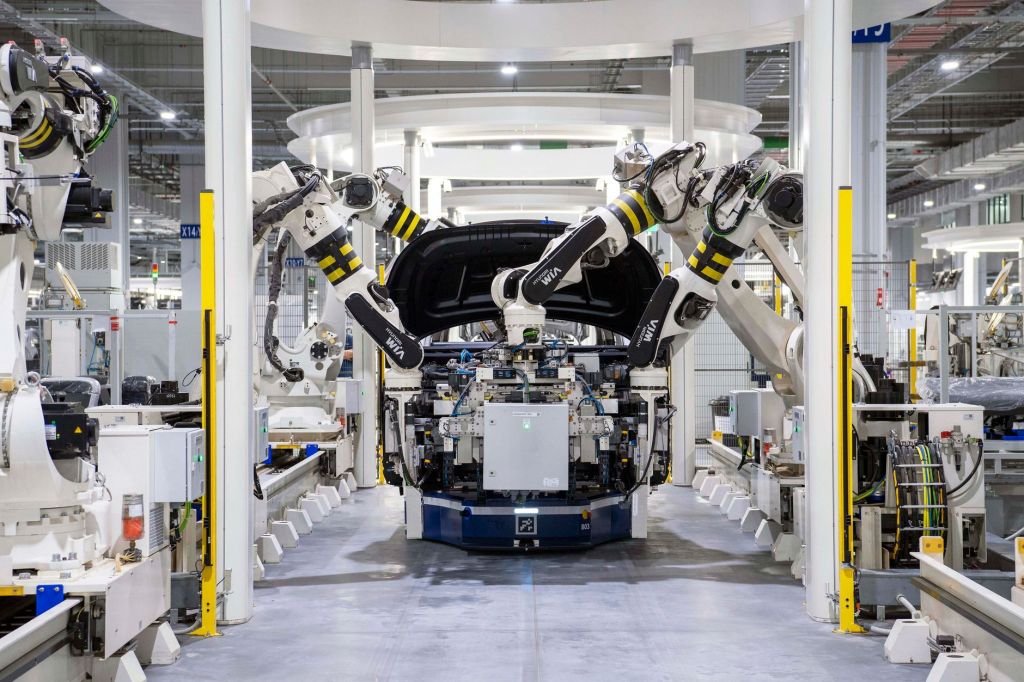
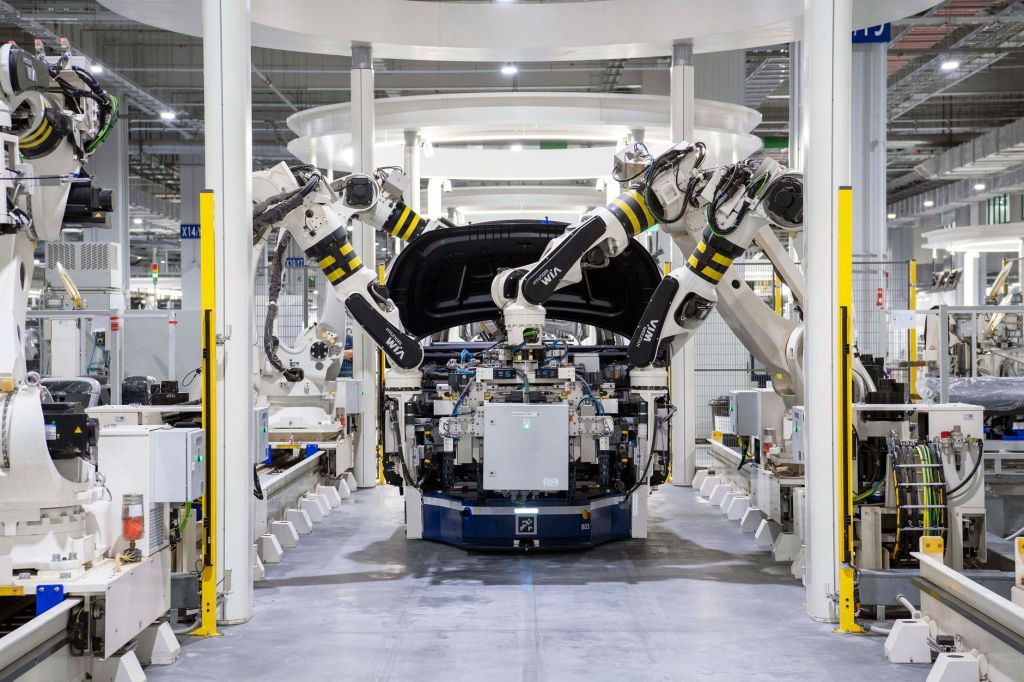
    Car factories are starting to print their own parts. Ford, Rivian and General Motors are now using 3D printing — also called additive manufacturing — for much more than prototypes. They are printing factory tools and selected production parts right on the factory floor, and the main reason is simple: speed.

    What Happened

    Rivian has spent more than $5 million on 3D-printing machines, and it spends about $1.7 million a year on printing materials. The company says the machines usually pay for themselves within a year. Parts that once took weeks to make can now be ready in days, and sometimes in hours. Rivian’s latest expansion includes machines for flexible silicone parts and a new machine bay at its plant in Normal, Illinois.

    Ford has gone even further with everyday access. The company has additive-manufacturing departments at many of its plants, including a vending machine for 3D-printed F-150 parts near Dearborn, Michigan. Workers can request parts and tools through an app. Ford expects to have 3D labs at more than 23 plants by the end of this year, with more than 200 machines in its current program. In one case, a 3D-printed part kept a production line running until a replacement from a supplier arrived.

    GM is using the technology on its most exclusive cars. Its hand-built Cadillac Celestiq uses 135 3D-printed components, and its Cadillac Blackwing sedans include printed parts such as a medallion on the manual shifter knob. GM has also expanded its use of industrial Stratasys printers, which can cost hundreds of thousands of dollars depending on the job, training and certification.

    Why It Happened

    Traditional car parts take time. A factory usually has to order a tool or part, wait for a supplier to make it, and then wait for shipping. If the part is only needed in small numbers, that wait is hard to justify.

    3D printing flips that process. A digital design goes straight to a printer on site. Engineers can test a part, change the design, and print it again the same day. For tools like jigs and brackets that help workers build cars, that speed matters more than the cost of the printer itself. As Jared Beck, Rivian’s head of additive manufacturing, put it, the company is “democratizing 3D printing for the entire company” — and while savings run “well in the millions,” speed is the main point.

    Key Figures

    • Rivian: more than $5 million spent on 3D-printing machines; about $1.7 million a year on materials
    • Rivian: machines typically pay for themselves within a year
    • Ford: 3D labs expected at more than 23 plants by end of 2026; more than 200 machines in the program
    • GM: 135 3D-printed components in the Cadillac Celestiq

    Why It Matters

    For car buyers, this is not about a single part. It is about how fast a car company can fix problems, test new ideas and keep lines moving. A factory that can print a broken tool overnight does not have to stop work while it waits for a supplier. Over time, that can mean fewer delays and lower costs — and for companies like Rivian, which is preparing its cheaper R2 SUV, lower costs are essential.

    Related: Rivian Beats Earnings Expectations as Its Cheaper R2 SUV Takes the Lead

    It also shows how manufacturing is changing. 3D printing used to be a lab tool for prototypes. Now it is a factory tool for real work. Companies are still not printing whole cars, and high-volume parts are still made the traditional way. But for low-volume parts and factory tools, printing is becoming normal.

    What Happens Next

    Expect more printers on more factory floors. Ford’s plan for 23-plus labs shows the direction, and Rivian’s new machine bay points the same way. The next test will be whether these savings show up in the companies’ results — faster production, fewer delays and lower costs per vehicle. If they do, other automakers will follow quickly.

    Final Thoughts

    3D printing will not replace traditional car factories. But it is already changing how those factories solve problems. When a part can be printed in hours instead of ordered in weeks, the whole factory moves faster. For an industry where every hour of downtime costs money, that is a big deal.

    Disclaimer: This article is for educational and informational purposes only and does not constitute financial advice.

    Sources: CNBC, “Automakers like Rivian and Ford are ‘democratizing 3D printing’ to reduce costs and increase speed” (https://www.cnbc.com/2026/10/31/automakers-3d-printing-ford-rivian-gm.html); Stratasys/Rivian factory-floor reporting on the F870 platform adoption.
  • Ford Beats Earnings Expectations, but Warns 2027 Profit Will Be Flat

    Ford Beats Earnings Expectations, but Warns 2027 Profit Will Be Flat

    Introduction

    Ford reported a better third quarter than Wall Street expected and nudged its full-year profit outlook higher. Then it gave investors the news they did not want: next year’s profit will probably be no better than this year’s, because rising costs are eating into gains.

    What Happened

    Ford reported revenue of $49.5 billion for the third quarter, down 2% from a year earlier but ahead of forecasts of about $48.9 billion. Adjusted earnings per share came in at 49 cents, beating the 40 cents analysts expected. Adjusted operating profit (EBIT) rose 3% to $2.7 billion, about $300 million ahead of consensus. Net income was $2 billion, down $400 million from a year earlier, and adjusted free cash flow was $4.7 billion.

    By segment: Ford Blue, the traditional gas and hybrid vehicle business, earned about $1.4 billion, down 10% from a year earlier. Ford Pro, the commercial business, earned about $1.7 billion, down 16%. Model e, the electric vehicle unit, lost about $1.1 billion — still a loss, but 25% smaller than a year ago.

    Ford raised the bottom end of its 2026 adjusted EBIT guidance to $10.5 billion–$11 billion, from $10 billion–$11 billion. Free cash flow guidance of $6 billion–$7 billion did not change.

    The stock’s reaction told the story of the outlook. Shares rose about 2% on the day of the report, then slipped about 2% the next morning as investors digested the 2027 warning.

    Why It Happened

    The beat came from strong demand for trucks and SUVs, which carried the traditional business even as costs rose. But the cost side is getting worse, not better. Ford said commodity headwinds are now approaching $2.5 billion for 2026, up from just over $2 billion expected before. Inflation linked to the war in Iran has pushed up logistics, raw materials, and chip costs, and high gas prices are adding to freight and energy bills.

    For 2027, Ford expects about $2 billion of additional pressure from commodities, memory chips, and logistics. That is why profit is expected to be roughly flat next year — the company has to run faster just to stand still.

    Why It Matters

    Ford’s warning is a window into a problem facing all carmakers: input costs are rising again, and there is no quick relief. CEO Jim Farley called 2027 a “foundational year” on the way to an 8% adjusted EBIT margin target by 2029, and CFO Sherry House said plainly, “We’re not expecting relief any time soon” from commodity inflation.

    It also shows how Ford’s strategy is shifting. The company scaled back its money-losing EV business in late 2025 to focus on hybrids and more affordable EVs, booking a $19.5 billion loss on that decision. The EV unit is still losing money, but the loss is shrinking, and Ford is aiming for Model e breakeven by 2029 and an 8% adjusted EBIT margin by 2029, up from 6.1% in the first nine months of this year.

    What Happens Next

    Ford’s affordable EV, called Fathom and priced from $28,350, is still scheduled for late 2027. The company also plans to offset cost pressure with $1 billion of material and warranty cost cuts, plus growth from energy storage batteries, software, and services.

    The near-term test is the fourth quarter. Guidance implies operating profit of about $2.2 billion for the final three months, roughly in line with analyst expectations. If Ford hits that, the “flat 2027” story becomes a story about holding ground while costs rage — not a collapse, but not growth either.

    Final Thoughts

    Ford beat expectations and raised its 2026 outlook, which is genuinely good news. But the market looked past the quarter to next year, where $2 billion of cost pressure means profit goes sideways. For investors, the question is no longer whether Ford can execute — it just did — but whether it can outrun inflation long enough for its cheaper EVs and cost cuts to change the maths.

    Key figures

    • Revenue: $49.5 billion, down 2% year over year (beat ~$48.9 billion expected)
    • Adjusted EPS: $0.49 (expected $0.40)
    • Adjusted EBIT: $2.7 billion, up 3%
    • 2026 adjusted EBIT guidance: $10.5–$11 billion (was $10–$11 billion)
    • 2027 outlook: profit roughly in line with 2026
    • 2027 cost headwind: ~$2 billion; 2026 commodity headwind: ~$2.5 billion
    • Model e Q3 loss: ~$1.1 billion (improved 25% year over year)

    Disclaimer: This article is for educational and informational purposes only and does not constitute financial advice.

    Sources: CNBC — https://www.cnbc.com/2026/10/28/ford-motor-f-earnings-q3-2026.html — and Zacks and Motley Fool coverage of the earnings call.

Is this your new site? Log in to activate admin features and dismiss this message
Log In