Introduction
ExxonMobil just reported a quarter where its refineries made more money than its oil wells. That has not happened in at least six years. The shift helped Exxon beat Wall Street expectations for the third quarter of 2026.
What Happened
Exxon reported net income of $15.4 billion, or $3.72 per share, for the third quarter. On an adjusted basis, earnings were $17.5 billion, or $4.23 per share. That beat the average analyst expectation of $4.08 per share compiled by LSEG.
Revenue reached $113.16 billion, above the $105.24 billion analysts had expected. Exxon also announced a $20 billion share repurchase programme for 2027, the same size as in 2026, and declared a dividend of $1.07 per share, payable December 10.
Key figures
- Net income: $15.4 billion ($3.72 per share)
- Adjusted earnings: $17.5 billion ($4.23 per share), vs $4.08 expected
- Revenue: $113.16 billion, vs $105.24 billion expected
- Adjusted downstream (refining) earnings: $9.0 billion, up 120% from the previous quarter
- Adjusted upstream (production) earnings: $7.3 billion, down 20% from the previous quarter
- Energy Products segment earnings: $7.17 billion, vs $7.09 billion upstream
- Production: 4.5 million barrels of oil equivalent per day, roughly flat from Q2
Why It Happened
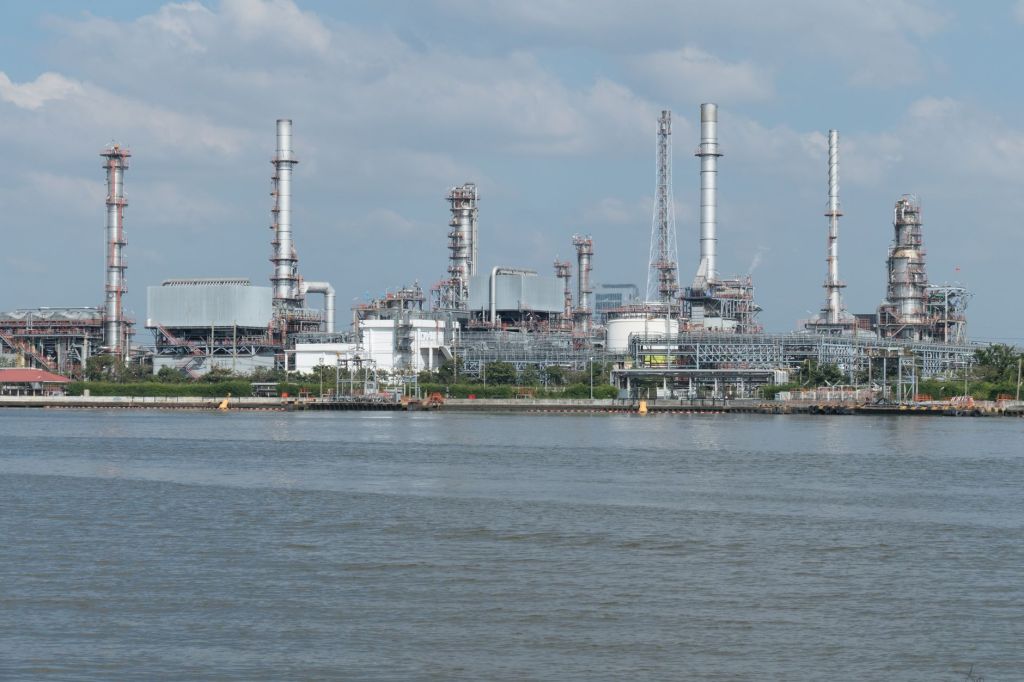
Refining margins surged. Wars and strikes on refineries disrupted global fuel supplies, which pushed up petrol and diesel prices. Exxon’s US Gulf Coast refineries ran at 100% crude-unit utilisation and reached their second-highest diesel production level on record.
At the same time, upstream earnings fell 20% from the previous quarter because benchmark oil prices were lower than in the second quarter. So the two parts of the business moved in opposite directions, and refining came out on top.
Exxon CEO Darren Woods told CNBC that diesel is the key crunch point in the global fuel shortage, because diesel is critical to economic growth and demand stays high even when capacity is tight. He said Exxon will keep investing several billion dollars in refineries and expects to increase distillate throughput by about 100,000 barrels a day.
Why It Matters
Think of Exxon as two businesses in one. One pulls oil out of the ground. The other turns oil into fuel. Usually the first business makes more money. This quarter the second one did, which shows how much fuel markets have changed.
For investors, it is a reminder that big oil companies are not just a bet on the oil price. Refining, trading and chemicals can balance the business when oil prices fall. For consumers, it is a sign that diesel shortages are still a real problem in the world economy.
What Happens Next
Exxon reduced debt by $8 billion during the quarter. It plans to stick with a sustainable and growing dividend. Investors will watch two things: whether refining margins stay strong, and whether oil production earnings recover if crude prices rise again.
Final Thoughts
Exxon’s quarter tells a clear story. When fuel is scarce, the company that can turn crude into fuel quickly wins. The next test is whether that advantage lasts once supply problems start to clear.
Disclaimer: This article is for educational and informational purposes only and does not constitute financial advice.
Sources: CNBC interview with Exxon CEO Darren Woods and coverage of Exxon’s results | Reuters, “ExxonMobil beats third-quarter profit estimates on refining boom,” Oct. 30, 2026.

