Tag: Energy Stocks

  • Shell Profit Nearly Doubles to $10.8 Billion on Record Refining Margins

    Shell Profit Nearly Doubles to $10.8 Billion on Record Refining Margins

    Introduction

    Shell just reported one of its strongest quarters in years. Adjusted earnings nearly doubled to $10.8 billion, helped by record refining margins, and the company is returning more cash to shareholders with a bigger buyback.

    What Happened

    Shell reported third-quarter adjusted earnings of $10.81 billion, up from $5.43 billion a year earlier and $9.84 billion in the second quarter. That beat the $9.92 billion consensus compiled by LSEG and cited by CNBC, and it was Shell’s strongest quarterly profit since the second quarter of 2022.

    Income attributable to shareholders was $12.1 billion. Cash flow from operations was $21.0 billion, and free cash flow was $16.3 billion. Net debt fell to $39.7 billion at the end of the quarter, down from $41.8 billion in the second quarter.

    Shell also announced a $5 billion share buyback programme for the next three months, up from $3 billion in the previous quarter. A buyback means the company buys its own shares back, which reduces the number of shares in circulation and can support the share price.

    Key figures

    • Adjusted earnings: $10.81 billion, vs $5.43 billion a year ago and $9.92 billion expected
    • Income attributable to shareholders: $12.1 billion
    • Cash flow from operations: $21.0 billion
    • Free cash flow: $16.3 billion
    • Global indicative refining margin: $42 per barrel, vs $24 in Q2
    • New buyback: $5 billion over three months, vs $3 billion previously
    • Net debt: $39.7 billion, vs $41.8 billion in Q2
    • Full-year cash capital expenditure outlook: $23–$25 billion, vs $24–$26 billion before

    Why It Happened

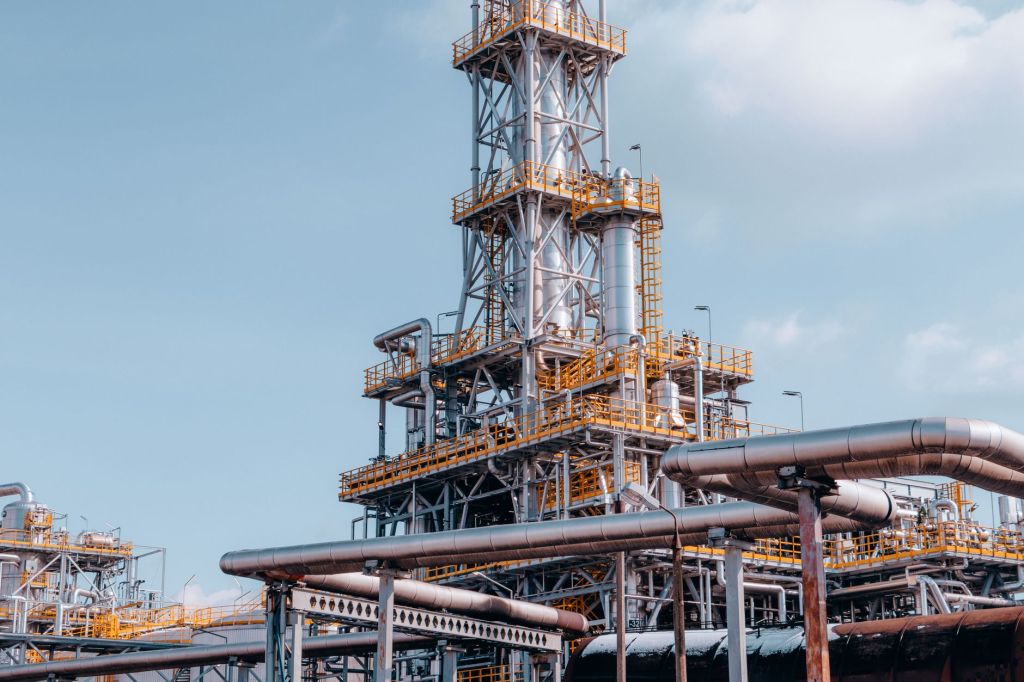
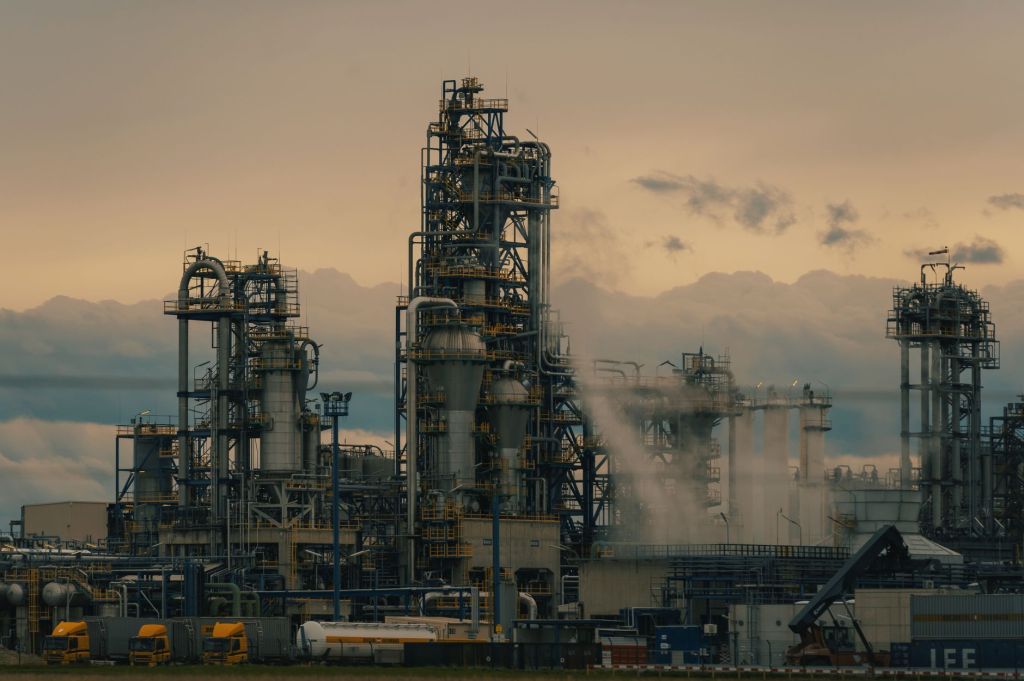
    Refining was the driver. Shell’s global indicative refining margin hit a record $42 a barrel, up from $24 in the second quarter. Its Chemicals and Products division earned $3.86 billion, up from $2.88 billion in the previous quarter.

    Shell also benefited from higher realised liquefied natural gas (LNG) prices and stronger Integrated Gas volumes. Integrated Gas earned $3.04 billion. CEO Wael Sawan pointed to strong operational performance in a volatile commodity price environment.

    Why It Matters

    Shell’s result fits a clear pattern this earnings season: oil majors are making big money from turning crude into fuel, not just from producing crude. When refining margins are at record levels, the downstream business can carry the whole company.

    The bigger buyback also matters. It signals that Shell’s management believes the cash flow is strong enough to return more money to shareholders right now, rather than holding it back or spending it all on new projects. Shell also trimmed its full-year spending outlook, which shows some discipline on costs.

    What Happens Next

    Shell will release its full-year 2026 results on February 4, 2027. The new $5 billion buyback is expected to be completed by that announcement. Investors will watch whether refining margins stay near record levels, or whether they fall back as fuel supplies recover.

    Final Thoughts

    Shell turned a record refining quarter into a near-doubling of profit and a bigger payout to shareholders. Like its rivals, the test ahead is whether these margins are a new normal or a temporary windfall.

    Disclaimer: This article is for educational and informational purposes only and does not constitute financial advice.

    Sources: CNBC coverage of Shell’s third-quarter results | Shell press release, third quarter 2026 results, Oct. 29, 2026 | Motley Fool, “Shell Profit Leans on Record Refining Margins,” Oct. 29, 2026.
  • BP Posts Record $8.46 Billion Profit and Will Use It to Clear Its Deepwater Horizon Bill

    BP Posts Record $8.46 Billion Profit and Will Use It to Clear Its Deepwater Horizon Bill

    Introduction

    BP just had its best quarter in years. The British oil company reported a third-quarter profit of $8.46 billion, beating expectations, and it plans to use some of that windfall to finally settle the remaining bill from the 2010 Deepwater Horizon disaster.

    What Happened

    BP reported third-quarter underlying replacement cost profit — its version of net income — of $8.46 billion. That beat analysts’ expectations of $7.33 billion in a company-provided poll, and it was up sharply from $2.2 billion a year earlier. It was the highest quarterly profit under BP’s current version of this measure, and its highest in at least five years.

    Operating cash flow came in at $14.8 billion. Net debt fell to $13.9 billion, which means BP reached its net debt target a year ahead of schedule.

    Key figures

    • Underlying replacement cost profit: $8.46 billion, vs $7.33 billion expected and $2.2 billion a year ago
    • Operating cash flow: $14.8 billion
    • Net debt: $13.9 billion, down $8.4 billion, reaching its target a year early
    • Deepwater Horizon payables and provisions still outstanding: $5.94 billion, on a payment schedule stretching to 2033
    • Total amount set aside for the spill over time: about $69 billion

    Why It Happened

    The same story as the other oil majors: higher energy prices and record refining margins. Conflicts disrupted fuel supplies and pushed up prices, which lifted profits across the industry. Shell, Exxon and Chevron all reported strong quarters for the same reason.

    Why It Matters

    The most important part of BP’s announcement is not just the profit number. It is what BP plans to do with the money. The company said it will use excess cash flow to settle its remaining Deepwater Horizon liabilities in full.

    That disaster happened in 2010, when a blowout on the BP-operated Macondo well in the Gulf of Mexico caused one of the worst oil spills in history and killed 11 people. BP has set aside about $69 billion related to the spill over the years. About $5.94 billion in payables and provisions still remain, on a schedule that stretches to 2033. Paying that off early would close a painful chapter for the company and remove a long-running financial burden.

    BP CEO Meg O’Neill said the company is still carrying more debt than it can afford in a low-price scenario, and it is focused on bringing debt down to protect the dividend.

    What Happens Next

    BP will hold a long-term strategy update on December 15. Investors will look for details on how much of the Deepwater bill will be paid early, and how BP plans to balance debt reduction, dividends and investment in its core oil and gas business after its strategy reset in 2025.

    Final Thoughts

    A record profit is good news on its own. Using it to clear a 16-year-old liability is even more meaningful. If BP follows through, it will enter 2027 with a cleaner balance sheet and one less shadow from its past.

    Disclaimer: This article is for educational and informational purposes only and does not constitute financial advice.

    Sources: CNBC coverage of BP’s third-quarter results | Reuters, “BP beats forecasts with record profit, targets early settling of Deepwater Horizon bill,” Oct. 30, 2026.

  • Exxon Refineries Earn More Than Its Oil Wells for the First Time in Six Years

    Exxon Refineries Earn More Than Its Oil Wells for the First Time in Six Years

    Introduction

    ExxonMobil just reported a quarter where its refineries made more money than its oil wells. That has not happened in at least six years. The shift helped Exxon beat Wall Street expectations for the third quarter of 2026.

    What Happened

    Exxon reported net income of $15.4 billion, or $3.72 per share, for the third quarter. On an adjusted basis, earnings were $17.5 billion, or $4.23 per share. That beat the average analyst expectation of $4.08 per share compiled by LSEG.

    Revenue reached $113.16 billion, above the $105.24 billion analysts had expected. Exxon also announced a $20 billion share repurchase programme for 2027, the same size as in 2026, and declared a dividend of $1.07 per share, payable December 10.

    Key figures

    • Net income: $15.4 billion ($3.72 per share)
    • Adjusted earnings: $17.5 billion ($4.23 per share), vs $4.08 expected
    • Revenue: $113.16 billion, vs $105.24 billion expected
    • Adjusted downstream (refining) earnings: $9.0 billion, up 120% from the previous quarter
    • Adjusted upstream (production) earnings: $7.3 billion, down 20% from the previous quarter
    • Energy Products segment earnings: $7.17 billion, vs $7.09 billion upstream
    • Production: 4.5 million barrels of oil equivalent per day, roughly flat from Q2

    Why It Happened

    Refining margins surged. Wars and strikes on refineries disrupted global fuel supplies, which pushed up petrol and diesel prices. Exxon’s US Gulf Coast refineries ran at 100% crude-unit utilisation and reached their second-highest diesel production level on record.

    At the same time, upstream earnings fell 20% from the previous quarter because benchmark oil prices were lower than in the second quarter. So the two parts of the business moved in opposite directions, and refining came out on top.

    Exxon CEO Darren Woods told CNBC that diesel is the key crunch point in the global fuel shortage, because diesel is critical to economic growth and demand stays high even when capacity is tight. He said Exxon will keep investing several billion dollars in refineries and expects to increase distillate throughput by about 100,000 barrels a day.

    Why It Matters

    Think of Exxon as two businesses in one. One pulls oil out of the ground. The other turns oil into fuel. Usually the first business makes more money. This quarter the second one did, which shows how much fuel markets have changed.

    For investors, it is a reminder that big oil companies are not just a bet on the oil price. Refining, trading and chemicals can balance the business when oil prices fall. For consumers, it is a sign that diesel shortages are still a real problem in the world economy.

    What Happens Next

    Exxon reduced debt by $8 billion during the quarter. It plans to stick with a sustainable and growing dividend. Investors will watch two things: whether refining margins stay strong, and whether oil production earnings recover if crude prices rise again.

    Final Thoughts

    Exxon’s quarter tells a clear story. When fuel is scarce, the company that can turn crude into fuel quickly wins. The next test is whether that advantage lasts once supply problems start to clear.

    Disclaimer: This article is for educational and informational purposes only and does not constitute financial advice.

    Sources: CNBC interview with Exxon CEO Darren Woods and coverage of Exxon’s results | Reuters, “ExxonMobil beats third-quarter profit estimates on refining boom,” Oct. 30, 2026.

  • Chevron Profit Nearly Triples to $9.9 Billion as Refining Boom Lifts Earnings

    Chevron Profit Nearly Triples to $9.9 Billion as Refining Boom Lifts Earnings

    Introduction

    Chevron made a lot more money this quarter than it did a year ago. The oil giant reported third-quarter earnings of $9.9 billion, up from $3.5 billion in the same period last year. Strong refining margins did most of the heavy lifting.

    What Happened

    Chevron reported earnings of $9.9 billion, or $5.06 per share, for the third quarter of 2026. On an adjusted basis, which strips out one-off items, earnings were $10.4 billion, or $5.28 per share. That beat the average analyst expectation of $4.89 per share, according to LSEG data reported by CNBC.

    Total revenue and other income reached $67.8 billion, up from $49.7 billion a year earlier. Cash flow from operations rose to $16.0 billion, and free cash flow reached $12.0 billion, more than double the $4.9 billion from a year ago.

    Key figures

    • Reported earnings: $9.9 billion ($5.06 per share), vs $3.5 billion ($1.82) a year ago
    • Adjusted earnings: $10.4 billion ($5.28 per share), vs $4.89 expected
    • Total revenue and other income: $67.8 billion, vs $49.7 billion a year ago
    • Downstream (refining) earnings: $4.93 billion, vs $1.14 billion a year ago
    • Upstream (oil and gas production) earnings: $5.7 billion, vs $3.3 billion a year ago
    • Free cash flow: $12.0 billion, vs $4.9 billion a year ago

    Why It Happened

    The main reason is refining. When a company refines crude oil into petrol, diesel and jet fuel, it earns the difference between the price of crude and the price of the finished fuel. That gap, called the refining margin, was very wide this quarter.

    Global fuel supplies were tight. Conflicts disrupted refineries and fuel shipments, which pushed up diesel and jet fuel prices. Chevron’s US refineries ran at about 98% of capacity and processed a record just over 1 million barrels of crude oil a day. Diesel and jet fuel yields rose by more than 10%.

    Oil and gas production also helped. Upstream earnings rose about 70% to $5.7 billion, supported by higher crude prices. Brent crude, the global benchmark, averaged $97 a barrel during the quarter, up from $69 a year earlier.

    Why It Matters

    Refining is usually the smaller, steadier part of an oil company. This quarter it became a major profit engine. That matters for investors because it shows Chevron can make strong money even when its oil production business is not the main driver.

    It also matters for everyday life. Tight diesel supplies affect trucking, farming and shipping costs, and those costs often find their way into the price of goods. Strong refining profits are a sign that fuel markets are still under pressure.

    What Happens Next

    Chevron cut its total debt by $3.5 billion during the quarter, to $33.5 billion, and repurchased $2.5 billion of stock. The company said it plans to keep investing in a tight energy market. Investors will now watch whether refining margins stay wide or start to fall back as supply problems ease.

    Final Thoughts

    This was a strong quarter for Chevron, and refining was the star. The question now is simple: was this a one-off boost from tight fuel markets, or can the company keep it going? The next few quarters will give the answer.

    Disclaimer: This article is for educational and informational purposes only and does not constitute financial advice.

    Sources: CNBC coverage of Chevron’s third-quarter results | Chevron press release, “Chevron reports third-quarter 2026 results” | Reuters reporting on Exxon and Chevron earnings, Oct. 30, 2026.

Is this your new site? Log in to activate admin features and dismiss this message
Log In