Introduction
Americans vote on Tuesday, November 3.
These are midterm elections.
Midterm means an election in the middle of a president’s term.
Voters will choose all House seats.
They will choose about a third of Senate seats.
The president is not on the ballot.
But the result still matters for stocks.
It can change rules and spending.
It can change how closely firms are watched.
What Happened
Forecasts point to Democrats winning the House.
Control of the Senate is less clear.
That is the view in a Reuters analysis on Monday.
Investors are gaming out each outcome.
Gaming out means planning for each possible result.
Since Donald Trump returned to the White House in 2025, the S&P 500 rose about 27%.
The S&P 500 is a list of 500 large US firms.
It is often used to judge the whole market.
That rise came with full Republican control of Congress.
Now that control may change.
History gives a mixed guide.
Since 1930, the president’s party lost House control eight times at midterms.
In five of those cases, the S&P 500 rose from Election Day to year-end.
The median gain was 1.4%.
Median means the middle value.
Across all midterm years, the median gain was 1.9%.
History is not a promise.
It is only a guide.
Why It Matters for Each Sector
AI could face more questions.
Democrats are expected to push for stricter AI rules.
They could investigate big firms.
That could add worry to AI stocks.
But the president can veto new laws.
A veto means the president says no to a law.
That limits fast change.
Defence could face a split story.
If Democrats win big, oversight may tighten.
Funding delays could worry defence firms.
If Republicans hold ground, defence spending could rise.
JPMorgan named L3Harris, Lockheed Martin, and Northrop Grumman as possible winners in that case.
Health care is also split.
Hospitals may benefit if Medicaid cuts are walked back.
Medicaid is a health plan for people with low income.
Insurers face a different story.
Some hope for restored health subsidies.
Subsidies are money that helps people pay for plans.
Crypto firms could face more heat.
Their ties to the Trump family draw attention.
Banks could face more scrutiny too.
Scrutiny means close checking by lawmakers.
What Happens Next
Vote first, on Tuesday.
Then watch the counts.
Some races may take time to call.
Watch for divided control.
Divided control means different parties run each chamber.
That raises the risk of shutdowns.
It raises the risk of debt-limit fights.
A debt limit is a cap on how much the government can borrow.
Watch also for debt talks.
Spending choices on defence and health care could widen deficits.
A deficit means the government spends more than it earns.
None of this changes stocks alone.
Earnings, jobs, and interest rates matter too.
Final Thoughts
An election does not pick stock winners by itself.
It changes the rules of the game.
It changes what firms must answer for.
That is why investors watch Tuesday so closely.
The market will react to the result.
Then it will move on to the next test.
Disclaimer: This article is for educational and informational purposes only and does not constitute financial advice.
Sources: CNBC, https://www.cnbc.com/2026/11/02/midterm-election-stocks-defense-healthcare-crypto-ai.html ; Reuters analysis, https://wixx.com/2026/11/02/analysis-investors-gaming-out-congress-control-for-spending-ai-outlook/
Related post: https://thefinanceclass.wordpress.com/2026/11/01/midterm-election-municipal-bond-market-investors/
Tag: Defense
-
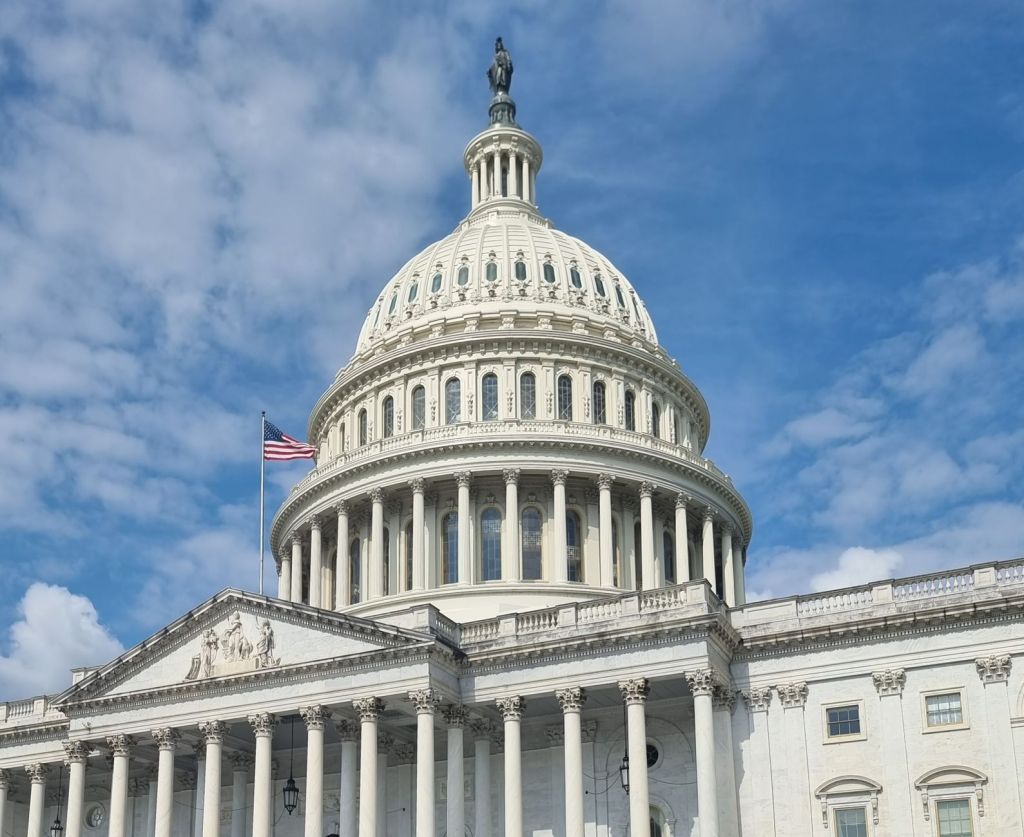
How Tuesday’s Election Could Move Stocks in Defence, Health Care, Crypto and AI

