Introduction
Oracle wants $20 billion from investors.
It filed papers on Monday, November 2.
Half will come from new shares.
Half will come from new bonds.
A bond is a loan from investors.
The company pays the loan back later.
Oracle wants the money for AI and cloud work.
Cloud means computer services used over the internet.
Investors did not cheer the news.
Oracle shares fell about 4% before the market opened.
What Happened
Oracle will sell $10 billion in new bonds.
It will also sell $10 billion in new shares.
The bond sale has six parts.
They mature between 2029 and 2046.
Mature means the date the loan must be paid back.
Interest rates and prices are not set yet.
Oracle said the money is for general company use.
That can include building, paying debt, buying firms, paying dividends, and buying back shares.
A dividend is money a company pays to its owners.
Oracle shares fell about 4% in early trading on Monday.
Through Friday, the shares were down about 33% this year.
Key figures
Total amount to raise: $20 billion
New bonds: $10 billion, in six parts
New shares: $10 billion
Bond maturity dates: 2029 to 2046
Share fall in early Monday trading: about 4%
Share fall this year through Friday: about 33%
Money owed in notes and borrowings on August 31: $125.34 billion
Fiscal 2026 revenue: $67.36 billion
Revenue goal for fiscal 2030: more than $225 billion
Why It Happened
AI needs huge buildings and computers.
Oracle is building cloud capacity for AI.
That work costs a lot of money.
Oracle said last week that building costs will peak soon.
It said costs will peak in fiscal 2027 and fiscal 2028.
It also promised to limit new borrowing.
It said it would raise no more than $20 billion more for AI through fiscal 2030.
This $20 billion plan fits that promise.
Oracle also lacks the size of rivals Microsoft and Amazon in cloud.
Investors worry about that gap.
They also worry about Oracle’s link to OpenAI.
OpenAI is the maker of ChatGPT.
It is a loss-making company.
Why It Matters
This deal shows how costly AI has become.
Even a huge firm like Oracle must ask investors for more money.
Selling shares can dilute old owners.
Dilute means each old share becomes a smaller piece of the firm.
Selling bonds adds debt.
Debt means money that must be paid back.
Oracle hopes AI revenue will grow fast enough to pay for all this.
It wants revenue to more than triple by fiscal 2030.
That is a bold goal.
It is not a promise that it will happen.
What Happens Next
Watch the final prices for the bonds and shares.
Watch how investors react after the sale.
Watch Oracle’s building costs next.
If costs peak as promised, worry may ease.
If costs keep rising, worry may grow.
Watch also for news on OpenAI.
Its spending affects Oracle too.
Final Thoughts
Oracle is asking for $20 billion.
It is a big ask.
It is also a clear sign.
AI buildings are costly, even for giants.
Now Oracle must show the spending will pay off.
Disclaimer: This article is for educational and informational purposes only and does not constitute financial advice.
Sources: CNBC, https://www.cnbc.com/2026/11/02/oracle-files-to-sell-20-billion-in-new-stock-bonds-to-finance-ai-buildout.html ; Reuters, https://srnnews.com/oracle-plans-to-raise-20-billion-through-bonds-and-stock-sales/
Related post: https://thefinanceclass.wordpress.com/2026/11/02/marvell-buy-lumentum-115-billion-ai-deal/
Tag: Bonds
-

Oracle Plans to Raise $20 Billion in Shares and Bonds for Its AI Buildout
-
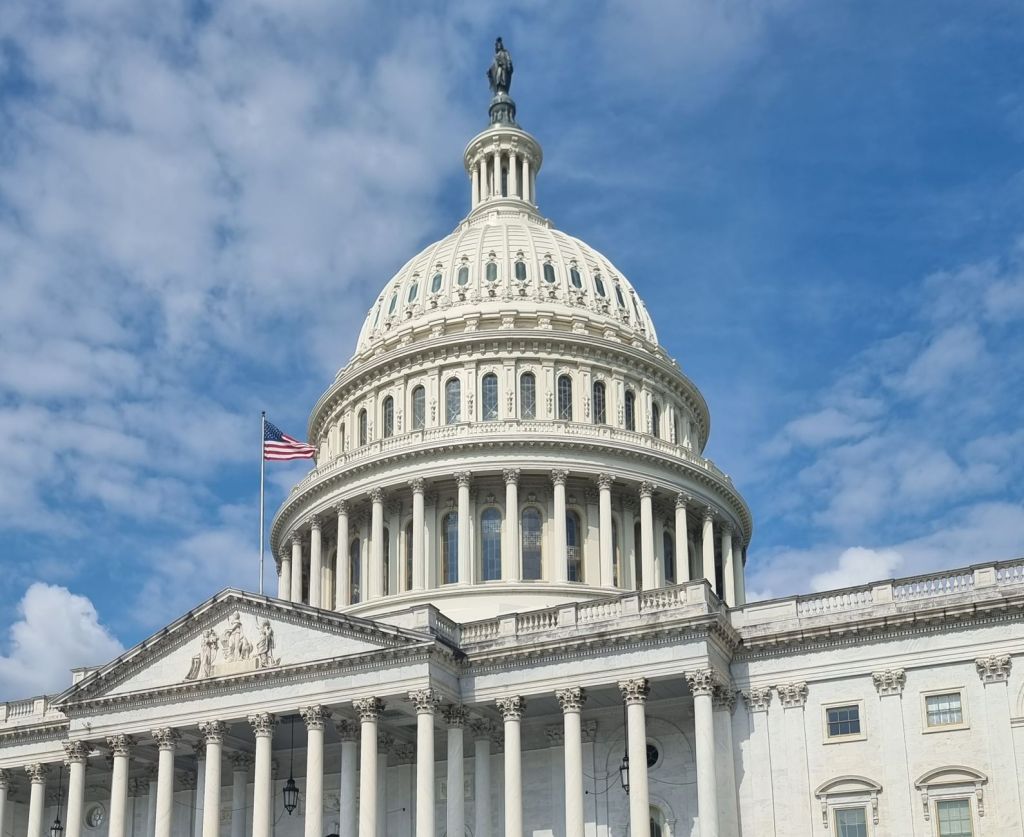
How Tuesday’s Election Could Reshape the Municipal Bond Market
Introduction
On Tuesday, November 3, 2026, Americans vote in the midterm election. Most market coverage will focus on who controls Congress. For municipal bonds, though, experts say the state ballot measures may matter more in the short term.
That is because municipal bonds, often called munis, are closely tied to state taxes and to how much new debt states and cities issue. A change in either can change how valuable these bonds look to investors.
What Happened
A municipal bond is a loan an investor makes to a state, city, school district, or other local government. In return, the government pays interest, usually twice a year, and repays the loan when the bond matures.
What makes munis special is tax. Interest from most municipal bonds is generally free of federal income tax. It is also usually free of state tax if you live in the state that issued the bond. That tax break is the main reason many investors buy them.
Key figures:
- Midterm election: Tuesday, November 3, 2026
- Municipal bonds issued year to date through September: $473.8 billion, up 7.8% year over year
- Municipal bonds issued in 2025: $587.3 billion, up 14.3% from 2024
- Share of the broad muni index rated AAA or AA: about 70%
- Tax bracket where experts quoted call munis especially attractive: 24% or above
The supply figures come from SIFMA, a trade group for the securities industry, as cited by CNBC. Strong supply matters because when more bonds are available, prices can fall unless demand keeps up.
Why It Happened
Two state measures show why taxes matter so much.
In California, Proposition 40 is a proposed one-time 5% tax on certain taxpayers with at least $1 billion in assets. California also has a measure to make permanent a tax on individuals earning over $371,000, currently set to expire in 2031. If taxes rise, the value of a tax-free return rises too. In simple terms, avoiding tax becomes worth more when the tax rate is higher, so experts quoted say higher taxes could push muni prices higher.
Florida offers a different example. Its proposal would raise the non-school homestead exemption — the part of a home’s value shielded from some property taxes — to $150,000 in 2027 and $250,000 by 2028. That is property-tax relief for homeowners. It does not directly change muni tax treatment, but it shows how state ballot measures can reshape local finances and, over time, local borrowing.
For investors in higher tax brackets, the math is straightforward. A muni that pays, say, 4% tax-free can be worth more than a taxable bond paying a higher headline rate, once tax is taken off the taxable bond. That is why experts quoted call munis attractive now, especially for taxpayers in the 24% bracket or above. This is analysis from those experts, not a guarantee of returns.
Why It Matters
Municipal bonds are often seen as steady, lower-risk investments. About 70% of the broad muni index is rated AAA or AA, the top two credit ratings. Ratings are opinions about how likely a borrower is to repay, and they are not a promise.
Still, munis are not risk-free. Their prices can fall if interest rates rise, if a state or city runs into money trouble, or if a large amount of new bonds floods the market. That is why supply matters: $473.8 billion issued through September is a lot of new bonds to absorb.
Elections add another layer. State measures can change tax revenue, spending, and borrowing plans. Federal policy matters too, but the next Congress would mainly affect tax and affordability policy in early 2027, rather than changing muni tax treatment overnight.
For everyday investors, the key point is to understand what you are buying. A muni is not the same as a savings account. Its price moves, its tax benefit depends on your own tax situation, and its safety depends on the finances of the government behind it.
What Happens Next
After Tuesday, investors will watch which ballot measures pass and how states respond. If California voters approve higher taxes, demand for California munis could rise, because the tax exemption would become more valuable for affected taxpayers. If Florida voters approve property-tax relief, local governments there may need to adjust budgets, which could affect future borrowing.
Investors will also watch new bond supply in the months ahead. If supply stays high, prices may stay under pressure even if demand is solid. And they will watch early 2027, when a new Congress could take up tax and affordability policy that affects household budgets and, indirectly, the bond market.
Related reading on this blog: I Bond Rate Jumps 5.51 Percent in November 2026, which explains another government-backed option for savers.
Final Thoughts
Tuesday’s election is not just about Washington. For the municipal bond market, the state votes may be the more immediate story.
Taxes change the value of a tax-free return, and new bond supply changes the balance between buyers and sellers. Both will be in play this week, and both are worth watching before making any investment decision.
Disclaimer: This article is for educational and informational purposes only and does not constitute financial advice.

