Category: Markets

  • Oil Prices Fall More Than 4% as Iran Peace Talks Give Hope

    Oil Prices Fall More Than 4% as Iran Peace Talks Give Hope

    Oil prices fell a lot on Monday, November 2.
    They fell more than 4%.
    That is a big drop for one day.

    What is crude oil? It is oil straight from the ground. It is not yet made into gas or other products. People buy and sell it all over the world. Its price affects gas prices, heating costs, and many companies.

    Here are the key numbers.

    • Brent crude fell $4.79, or 4.2%, to $108.64 a barrel. Brent is oil from the North Sea. It is a world price for oil.
    • US oil, called WTI, fell $4.41, or 4.2%, to $99.71 a barrel.
    • A barrel is a big container of oil. It holds about 159 litres.

    Why did prices fall? Talks gave people hope.
    Iranian officials and Qatari officials have talked for three days in a row. They want a deal to end the war between the US, Israel, and Iran. A draft plan is now being shared. A new meeting may happen soon.
    There was also no big new fighting over the weekend. That helped calm people down.

    Why does this matter for oil? The war has hurt oil shipping. Ships carry oil through a narrow sea path called the Strait of Hormuz. The war has made that path risky. When people fear less oil will get through, prices go up. When people hope for peace, prices come down.

    October was a hard month for oil buyers. Brent ended October at its highest price in six months. People worried the war could get worse after the US midterm elections on Tuesday. So Monday’s fall was partly a step back after a big rise.

    Iran’s foreign minister, Abbas Araqchi, said on Sunday that the talks are “ongoing and progressing.” He said Iran is ready for “both defence and diplomacy.” That means Iran wants to talk, but it is also ready to defend itself.

    There is other news too. OPEC+ is a group of oil-producing countries. It kept its December output targets the same on Sunday. That means it did not change how much oil its members plan to pump. So the price fall came from the peace talks, not from a change in supply.

    What happens next? No deal is done yet. The talks could still fail. The US midterm elections are on Tuesday. Some people worry that talk could get tougher after the vote. Goldman Sachs, a big bank, raised its oil price forecasts on Sunday. It said Brent could reach $140 a barrel in 2027 if Gulf oil output stays far below its 2025 level. So prices could still go back up.

    In short: oil fell sharply on Monday because peace talks gave hope. But the war is not over. The story is not finished yet.

    Disclaimer: This article is for educational and informational purposes only and does not constitute financial advice.
    Sources: CNBC, https://www.cnbc.com/2026/11/02/crude-oil-dives-to-session-low-on-iran-peace-talk-hopes-ahead-of-midterms.html ; Reuters report on the oil price drop, via Kitco, https://www.kitco.com/news/off-the-wire/2026-11-02/oil-drops-over-4-hopes-progress-talks-ending-us-iran-war

  • How Tuesday’s Election Could Move Stocks in Defence, Health Care, Crypto and AI

    How Tuesday’s Election Could Move Stocks in Defence, Health Care, Crypto and AI

    Introduction
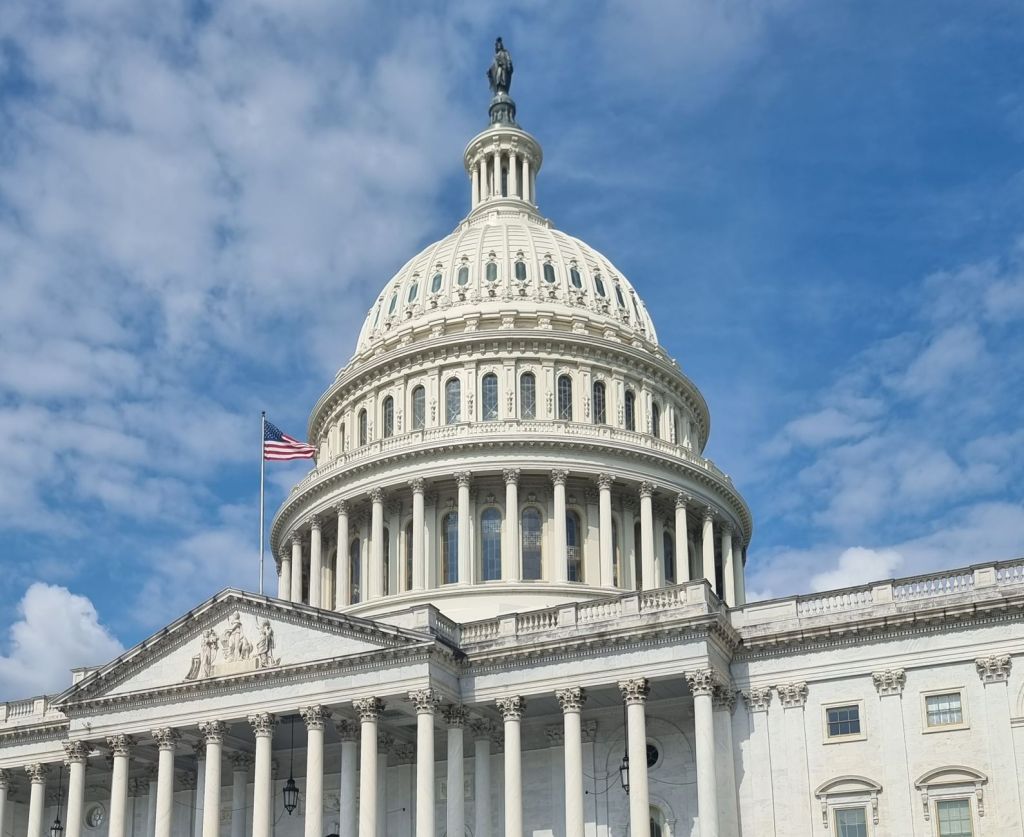
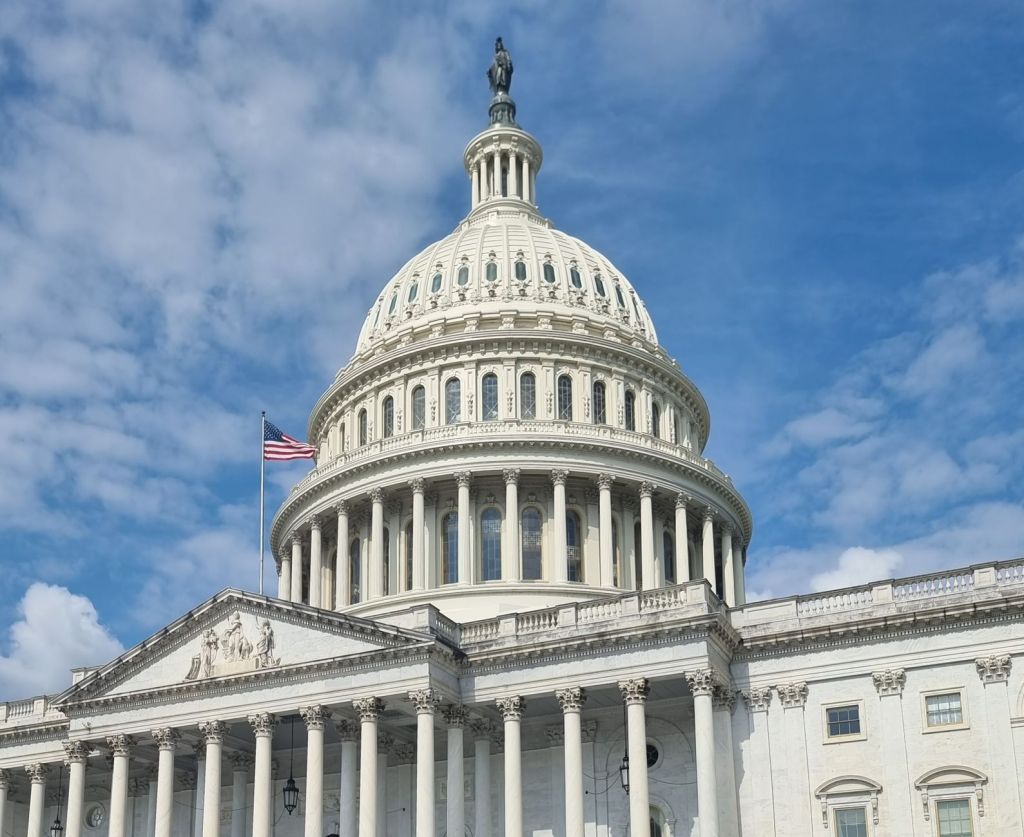
    Americans vote on Tuesday, November 3.
    These are midterm elections.
    Midterm means an election in the middle of a president’s term.
    Voters will choose all House seats.
    They will choose about a third of Senate seats.
    The president is not on the ballot.
    But the result still matters for stocks.
    It can change rules and spending.
    It can change how closely firms are watched.
    What Happened
    Forecasts point to Democrats winning the House.
    Control of the Senate is less clear.
    That is the view in a Reuters analysis on Monday.
    Investors are gaming out each outcome.
    Gaming out means planning for each possible result.
    Since Donald Trump returned to the White House in 2025, the S&P 500 rose about 27%.
    The S&P 500 is a list of 500 large US firms.
    It is often used to judge the whole market.
    That rise came with full Republican control of Congress.
    Now that control may change.
    History gives a mixed guide.
    Since 1930, the president’s party lost House control eight times at midterms.
    In five of those cases, the S&P 500 rose from Election Day to year-end.
    The median gain was 1.4%.
    Median means the middle value.
    Across all midterm years, the median gain was 1.9%.
    History is not a promise.
    It is only a guide.
    Why It Matters for Each Sector
    AI could face more questions.
    Democrats are expected to push for stricter AI rules.
    They could investigate big firms.
    That could add worry to AI stocks.
    But the president can veto new laws.
    A veto means the president says no to a law.
    That limits fast change.
    Defence could face a split story.
    If Democrats win big, oversight may tighten.
    Funding delays could worry defence firms.
    If Republicans hold ground, defence spending could rise.
    JPMorgan named L3Harris, Lockheed Martin, and Northrop Grumman as possible winners in that case.
    Health care is also split.
    Hospitals may benefit if Medicaid cuts are walked back.
    Medicaid is a health plan for people with low income.
    Insurers face a different story.
    Some hope for restored health subsidies.
    Subsidies are money that helps people pay for plans.
    Crypto firms could face more heat.
    Their ties to the Trump family draw attention.
    Banks could face more scrutiny too.
    Scrutiny means close checking by lawmakers.
    What Happens Next
    Vote first, on Tuesday.
    Then watch the counts.
    Some races may take time to call.
    Watch for divided control.
    Divided control means different parties run each chamber.
    That raises the risk of shutdowns.
    It raises the risk of debt-limit fights.
    A debt limit is a cap on how much the government can borrow.
    Watch also for debt talks.
    Spending choices on defence and health care could widen deficits.
    A deficit means the government spends more than it earns.
    None of this changes stocks alone.
    Earnings, jobs, and interest rates matter too.
    Final Thoughts
    An election does not pick stock winners by itself.
    It changes the rules of the game.
    It changes what firms must answer for.
    That is why investors watch Tuesday so closely.
    The market will react to the result.
    Then it will move on to the next test.
    Disclaimer: This article is for educational and informational purposes only and does not constitute financial advice.
    Sources: CNBC, https://www.cnbc.com/2026/11/02/midterm-election-stocks-defense-healthcare-crypto-ai.html ; Reuters analysis, https://wixx.com/2026/11/02/analysis-investors-gaming-out-congress-control-for-spending-ai-outlook/
    Related post: https://thefinanceclass.wordpress.com/2026/11/01/midterm-election-municipal-bond-market-investors/

  • CrowdStrike, Rivian and Micron Lead Monday’s Early Stock Movers

    CrowdStrike, Rivian and Micron Lead Monday’s Early Stock Movers

    Introduction
    Some stocks moved early on Monday.
    This was before the main market opened.
    Trading before the open is called premarket trading.
    CrowdStrike rose.
    Rivian rose.
    Micron rose too.
    Bank upgrades helped the first two.
    A bounce after a sell-off helped the third.
    What Happened
    CrowdStrike rose about 3.4% before the open.
    Deutsche Bank upgraded CrowdStrike to Buy from Hold.
    An upgrade means a bank now thinks a stock looks better.
    Buy means the bank likes the stock.
    Hold means the bank thinks it is fine, but not exciting.
    Deutsche Bank raised its target price to $300 from $240.
    A target price is a price a bank thinks a stock could reach.
    The bank said AI will push security spending up.
    CrowdStrike sells security software.
    Security software helps firms stop hackers.
    Rivian rose about 3% before the open.
    UBS upgraded Rivian to Buy from Neutral.
    Neutral is like Hold.
    UBS set a target price of $17.
    UBS pointed to Rivian’s cheaper R2 SUV.
    Rivian’s third-quarter revenue rose 38% to $2.155 billion.
    That helped the bank’s case.
    Micron rose about 2% before the open.
    SanDisk and Western Digital rose about 2% each too.
    These firms make memory chips.
    Memory chips help computers store and use data.
    Their shares had fallen hard in the past month.
    Monday was a bounce back.
    Key figures
    CrowdStrike before the open: up about 3.4%
    CrowdStrike target price: $300, up from $240
    Rivian before the open: up about 3%
    Rivian target price: $17
    Rivian third-quarter revenue: $2.155 billion, up 38%
    Micron before the open: up about 2%
    SanDisk and Western Digital before the open: up about 2% each
    Estee Lauder before the open: up about 3.5%
    Why It Happened
    Last week was rough for tech.
    Investors worried about AI spending.
    On Monday, mood improved a little.
    Analysts are bank experts who study stocks.
    Their upgrades gave buyers a reason to return.
    Estee Lauder also rose.
    Its results beat expectations.
    It also raised its full-year outlook.
    An outlook is a firm’s guess about its own future.
    Energy shares fell, by contrast.
    ExxonMobil fell 1.2%.
    Chevron fell nearly 1%.
    Valero fell 1.5%.
    Oil prices fell on Monday.
    That hurt energy shares.
    Why It Matters
    Early moves are not final results.
    They can change after the market opens.
    But they show where buyers feel brave.
    On Monday, buyers felt brave about security and electric cars.
    They also felt brave about memory chips again.
    That matters after a hard October for tech.
    It does not mean the worry is gone.
    It means the worry eased for one morning.
    What Happens Next
    Watch the close on Monday.
    Do the early gains hold?
    Watch Apple earnings after the close.
    Apple is a huge firm.
    Its news can move the whole market.
    Watch the jobs report on Friday too.
    Big news can change the mood fast.
    Final Thoughts
    Monday started with green for some big names.
    Upgrades helped.
    A bounce helped.
    But one morning is not a trend.
    The real test comes when the market closes.
    Disclaimer: This article is for educational and informational purposes only and does not constitute financial advice.
    Sources: CNBC, https://www.cnbc.com/2026/11/02/stocks-making-the-biggest-moves-premarket-crwd-rivn-mu.html ; Seeking Alpha on the CrowdStrike upgrade, https://seekingalpha.com/news/4662186-crowdstrike-upgraded-to-buy-at-deutsche-bank-as-ai-drives-cybersecurity-demand ; CoinCodex on the Rivian upgrade, https://coincodex.com/article/94726/rivian-stock-jumps-3-as-ubs-upgrades-rivn-to-buy-sets-17-price-target/
    Related post: https://thefinanceclass.wordpress.com/2026/11/02/us-stock-futures-rise-oil-falls-tech-rebound/

  • US Stock Futures Rise Monday as Oil Falls and Tech Bounces Back

    US Stock Futures Rise Monday as Oil Falls and Tech Bounces Back

    Introduction
    US stocks may open higher on Monday. Early trading points that way. Oil prices fell. Tech shares bounced back a little. This comes after a rough month for tech.

    What Happened
    Futures are deals about future prices. They give a hint of how stocks may open. They are not a promise. On Monday morning, Dow futures rose 190 points. That is a rise of 0.4%. They reached 52,108. S&P 500 futures rose 30.25 points. That is also a rise of 0.4%. They reached 7,644.25. Nasdaq futures rose 211.75 points. That is a rise of 0.8%. They reached 28,745.75. The Nasdaq is full of tech firms. So its bigger rise matters. Micron, SanDisk, and Western Digital each rose more than 2% in early trading. Nvidia and Microsoft also rose a little. Marvell rose about 2.9% in early trading. Apple fell a little before its earnings news. Apple will share its earnings after Monday’s close. Earnings means a firm’s money report. Oil fell in early Asian trading. Brent crude fell about 1.6% to about $111.60 a barrel.

    Key figures

    • Dow futures: up 190 points, or 0.4%, to 52,108
    • S&P 500 futures: up 30.25 points, or 0.4%, to 7,644.25
    • Nasdaq futures: up 211.75 points, or 0.8%, to 28,745.75
    • Micron, SanDisk, Western Digital in early trading: each up more than 2%
    • Nasdaq fall last week: about 2%
    • S&P 500 and Dow fall last week: each less than 1%
    • Nasdaq fall in October: about 5.2%
    • Dow rise in October: almost 2%

    Why It Happened
    October was hard for tech. Investors worried about AI spending. AI firms are spending huge sums. Investors asked when that spending will pay off. That worry pushed tech shares down. Last week, the Nasdaq fell about 2%. The S&P 500 and the Dow each fell less than 1%. In October, the Nasdaq fell about 5.2%. The Dow rose almost 2% in the same month. That shows a shift. Money moved from tech to safer areas, like health care. On Monday, some of that money moved back to tech. Lower oil prices helped too. Lower oil can mean lower costs for firms and for drivers.

    Why It Matters
    One morning does not end a trend. But it shows a change in mood. Investors are still nervous about AI. They are also still hopeful about AI. Both feelings are in the market now. This week will test that mood. Big earnings are due. Big news on jobs is due. A big vote is due too.

    What Happens Next
    Apple reports after Monday’s close. McDonald’s and Qualcomm report later in the week. US midterm elections are on Tuesday, November 3. The October jobs report is due on Friday, November 6. A jobs report shows how many jobs were added. It helps people guess what the central bank may do next. Watch all three. They can move stocks fast, up or down.

    Final Thoughts
    Monday starts with a small bounce. Tech is up a little. Oil is down a little. But the big tests are still ahead. This week will tell us more than one morning can.

    Disclaimer: This article is for educational and informational purposes only and does not constitute financial advice.
    Sources: CNBC, https://www.cnbc.com/2026/11/02/stock-market-today-live-updates.html ; market update, https://www.baystreet.ca/articles/market_updates_us.aspx?articleid%5C%5Cu003d102194 ; CNBC TV18 early Asian market

    report via TradingView,

    https://www.tradingview.com/news/cnbctv:d3b11974e094b:0/

    Related post: https://thefinanceclass.wordpress.com/2026/10/30/nasdaq-falls-3-percent-tech-selloff-worst-day-june/

  • Canada’s Fairfax Wants to Buy India’s IDBI Bank, but Workers Say No

    Canada’s Fairfax Wants to Buy India’s IDBI Bank, but Workers Say No

    Introduction
    A Canadian firm wants to buy a big bank in India. The firm is Fairfax Financial Holdings. The bank is IDBI Bank. The deal is worth about $5.5 billion. But many bank workers say no. Some politicians in India say no too.

    What Happened
    Fairfax wants to buy more than 60% of IDBI Bank. That would give Fairfax control of the bank. Control means the power to make the big choices. The Indian government said on October 14 that this sale would be the biggest foreign investment yet in India’s bank sector. Foreign investment means money from another country put into a business here. Fairfax offered 81 rupees for each IDBI share. Experts had set a fair value of 75.99 rupees per share. Fair value means what experts think a share is truly worth. On Monday, IDBI shares opened at about 79 rupees. On Sunday, a workers’ group called for a two-day strike across India. The group is the United Forum of IDBI Officers and Employees. A strike means workers stop work to show they disagree. The group wants the government to cancel the sale. It also wants the government to protect public money and staff jobs.

    Key figures

    • Deal value: about $5.5 billion
    • Stake Fairfax wants: more than 60% of IDBI Bank
    • Fairfax offer per share: 81 rupees
    • Fair value set by experts per share: 75.99 rupees
    • IDBI share price at Monday’s open: about 79 rupees
    • Strike called by workers: two days, across India

    Why It Happened
    IDBI Bank is a state-owned bank. State-owned means the government owns a big part of it. India has tried to sell its stake for a long time. The sale is now in its final steps. But workers worry about their jobs. They also worry the sale price is too low. They want clear facts on how the price was set. One news report said officials hid the true value to make the offer look good. That claim is not proven. It is a report, not a confirmed fact. Rahul Gandhi is India’s opposition leader. He backed the workers on Thursday. He said public banks are tools to build the nation, not goods to sell. India’s finance minister is Nirmala Sitharaman. She answered that the bank was in poor shape when the government took it. She said the bank was fixed with care and with more than 250 billion rupees of new money. 250 billion rupees is about $2.6 billion.

    Why It Matters
    This deal matters in two countries. In India, it is about who owns a public bank. Many people see public banks as a public good. In Canada, it is about a Canadian firm growing abroad. Fairfax already owns about 40% of a smaller Indian bank, CSB Bank. Indian rules say one firm cannot own and run two banks. Earlier reports said Fairfax may get up to two years to fix this. It could sell its CSB stake, or join CSB with IDBI. That part is not yet final. The deal also needs more approvals before it can close.

    What Happens Next
    Watch the strike first. Will workers stop work for two days? Watch the government next. Will it change the sale, or push on? Watch regulators too. They must check the deal follows bank rules. The sale is not done yet. It can still change, or even fail.

    Final Thoughts
    A $5.5 billion deal sounds done. This one is not done. Workers, politicians, and regulators still have a say. That is why this bank sale is now a big public fight.

    Disclaimer: This article is for educational and informational purposes only and does not constitute financial advice.
    Sources: CNBC, https://www.cnbc.com/2026/11/02/canada-india-5point5-billion-bank-takeover-attracts-opposition-from-workers-politicians.html ; Reuters background on the IDBI sale, https://www.newspointapp.com/english/trending/india-to-give-canadas-fairfax-two-years-to-consolidate-holdings-for-idbi-bank-deal-sources-et/articleshow/145048204a43d9e1c3eb71be44f7c5a5a44f49ce

  • How Tuesday’s Election Could Reshape the Municipal Bond Market

    How Tuesday’s Election Could Reshape the Municipal Bond Market

    Introduction

    On Tuesday, November 3, 2026, Americans vote in the midterm election. Most market coverage will focus on who controls Congress. For municipal bonds, though, experts say the state ballot measures may matter more in the short term.

    That is because municipal bonds, often called munis, are closely tied to state taxes and to how much new debt states and cities issue. A change in either can change how valuable these bonds look to investors.

    What Happened

    A municipal bond is a loan an investor makes to a state, city, school district, or other local government. In return, the government pays interest, usually twice a year, and repays the loan when the bond matures.

    What makes munis special is tax. Interest from most municipal bonds is generally free of federal income tax. It is also usually free of state tax if you live in the state that issued the bond. That tax break is the main reason many investors buy them.

    Key figures:

    • Midterm election: Tuesday, November 3, 2026
    • Municipal bonds issued year to date through September: $473.8 billion, up 7.8% year over year
    • Municipal bonds issued in 2025: $587.3 billion, up 14.3% from 2024
    • Share of the broad muni index rated AAA or AA: about 70%
    • Tax bracket where experts quoted call munis especially attractive: 24% or above

    The supply figures come from SIFMA, a trade group for the securities industry, as cited by CNBC. Strong supply matters because when more bonds are available, prices can fall unless demand keeps up.

    Why It Happened

    Two state measures show why taxes matter so much.

    In California, Proposition 40 is a proposed one-time 5% tax on certain taxpayers with at least $1 billion in assets. California also has a measure to make permanent a tax on individuals earning over $371,000, currently set to expire in 2031. If taxes rise, the value of a tax-free return rises too. In simple terms, avoiding tax becomes worth more when the tax rate is higher, so experts quoted say higher taxes could push muni prices higher.

    Florida offers a different example. Its proposal would raise the non-school homestead exemption — the part of a home’s value shielded from some property taxes — to $150,000 in 2027 and $250,000 by 2028. That is property-tax relief for homeowners. It does not directly change muni tax treatment, but it shows how state ballot measures can reshape local finances and, over time, local borrowing.

    For investors in higher tax brackets, the math is straightforward. A muni that pays, say, 4% tax-free can be worth more than a taxable bond paying a higher headline rate, once tax is taken off the taxable bond. That is why experts quoted call munis attractive now, especially for taxpayers in the 24% bracket or above. This is analysis from those experts, not a guarantee of returns.

    Why It Matters

    Municipal bonds are often seen as steady, lower-risk investments. About 70% of the broad muni index is rated AAA or AA, the top two credit ratings. Ratings are opinions about how likely a borrower is to repay, and they are not a promise.

    Still, munis are not risk-free. Their prices can fall if interest rates rise, if a state or city runs into money trouble, or if a large amount of new bonds floods the market. That is why supply matters: $473.8 billion issued through September is a lot of new bonds to absorb.

    Elections add another layer. State measures can change tax revenue, spending, and borrowing plans. Federal policy matters too, but the next Congress would mainly affect tax and affordability policy in early 2027, rather than changing muni tax treatment overnight.

    For everyday investors, the key point is to understand what you are buying. A muni is not the same as a savings account. Its price moves, its tax benefit depends on your own tax situation, and its safety depends on the finances of the government behind it.

    What Happens Next

    After Tuesday, investors will watch which ballot measures pass and how states respond. If California voters approve higher taxes, demand for California munis could rise, because the tax exemption would become more valuable for affected taxpayers. If Florida voters approve property-tax relief, local governments there may need to adjust budgets, which could affect future borrowing.

    Investors will also watch new bond supply in the months ahead. If supply stays high, prices may stay under pressure even if demand is solid. And they will watch early 2027, when a new Congress could take up tax and affordability policy that affects household budgets and, indirectly, the bond market.

    Related reading on this blog: I Bond Rate Jumps 5.51 Percent in November 2026, which explains another government-backed option for savers.

    Final Thoughts

    Tuesday’s election is not just about Washington. For the municipal bond market, the state votes may be the more immediate story.

    Taxes change the value of a tax-free return, and new bond supply changes the balance between buyers and sellers. Both will be in play this week, and both are worth watching before making any investment decision.

    Disclaimer: This article is for educational and informational purposes only and does not constitute financial advice.

    Sources: CNBC and Inc.

  • October Broke the Old Market Rules: Oil Rose, Bond Yields Fell, and AI Stocks Slid

    October Broke the Old Market Rules: Oil Rose, Bond Yields Fell, and AI Stocks Slid

    Introduction

    Normally, markets follow familiar patterns. When oil prices rise sharply, bond yields often rise too, because higher energy costs can push inflation up. In October, that pattern broke.

    Oil stayed high, but US government bond yields fell. The reason was not calm — it was worry about the biggest trade of recent years: artificial intelligence stocks.

    What Happened

    By the end of October, Brent crude oil was on track for an 11.5% gain for the month, its fourth monthly rise in a row. At the same time, the yield on the benchmark US 10-year Treasury note fell to about 4.90%, its lowest in over a month, and the 30-year yield fell to about 5.26%.

    Bond yields fall when bond prices rise — in other words, when investors are buying bonds. And in late October, investors were buying bonds for safety while selling AI-related shares.

    Why It Happened

    Two forces pulled in opposite directions. On one side, energy prices stayed high, with Middle East tensions keeping supply worries alive. Oil near multi-month highs would normally push investors to demand higher yields to compensate for inflation risk.

    On the other side, a fresh wave of selling in AI shares changed the mood. Results from Alphabet earlier in the week rekindled worries about how much AI spending is costing and when it will pay off, and that pushed broader stock markets lower. When stocks fall on growth worries, many investors move money into US Treasuries, which are seen as a safe place to wait.

    The Bank of Japan also held interest rates steady at 1.25% in late October, and the yen strengthened. The US dollar was slightly weaker against a basket of currencies, tracking Treasury yields lower.

    Why It Matters

    This split tells you what investors were really afraid of. They were not mainly afraid of inflation from oil — or bond yields would have risen. They were afraid that AI stocks had risen too far, too fast, and that the profits might take longer to arrive than the share prices suggested.

    That is a big shift. For much of the last two years, AI stocks led the market higher. When the leaders fall, other parts of the market — energy, consumer staples, and bonds — start to look more attractive. October was a month when money rotated, not just a month when everything fell together.

    What Happens Next

    Three things will decide whether this is a short pause or a longer change. First, earnings from the big AI spenders: do they show real returns, or just bigger bills? Second, oil: if supply worries fade, one reason for caution fades with them. Third, interest rates: central banks in the US, Europe and Japan all left rates unchanged in late October, choosing to wait while inflation stayed sticky.

    If AI earnings improve, money could rotate back into tech quickly. If they disappoint again, bonds and energy may keep attracting cautious investors.

    Final Thoughts

    October is a reminder that markets do not move in straight lines. Oil up and bond yields down looks strange on paper, but it makes sense once you see the fear behind it: investors were paying for safety while they waited to find out whether the AI boom is still worth its price.

    Related: Nasdaq Falls 3 Percent in Tech Selloff

    Disclaimer: This article is for educational and informational purposes only and does not constitute financial advice.

    Sources: CNBC, https://www.cnbc.com/2026/11/01/oil-bond-yields-ai-market.html ; Reuters report of October 30, 2026, as carried by Mix929, https://mix929.com/2026/10/29/yen-steady-before-boj-ai-jitters-drive-treasury-rally-weigh-on-dollar/

Is this your new site? Log in to activate admin features and dismiss this message
Log In