Category: Company Earnings

Earnings results and what they mean for investors, explained in simple words.

  • Norwegian Cruise Shares Jump 13% After Earnings Beat and Raised Outlook

    Norwegian Cruise Shares Jump 13% After Earnings Beat and Raised Outlook

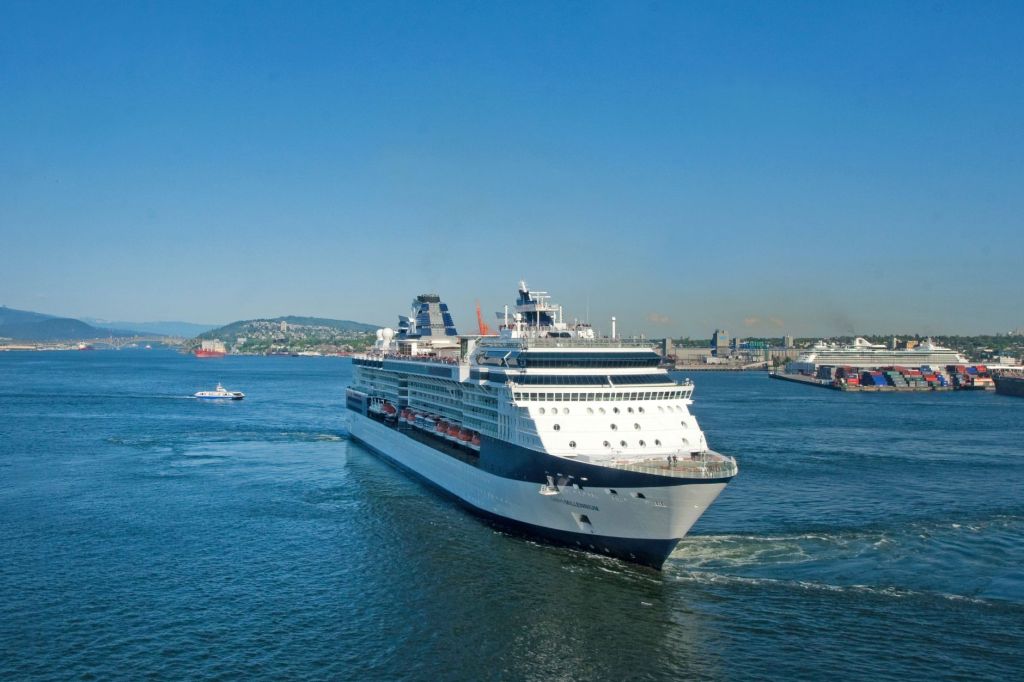
    Norwegian Cruise Line Holdings had one of the best days on the stock market on October 29. Its shares jumped about 13% after the cruise operator reported third-quarter results that beat expectations and raised its outlook for the full year.

    What Happened

    Norwegian reported third-quarter revenue of $2.95 billion, above analyst expectations of about $2.88 billion. Net income was $491 million, or $1.07 per share, up from $419 million a year earlier. On an adjusted basis, earnings were $1.12 per share, beating both the company’s own guidance of 90 cents and analyst estimates of about 94 cents.

    Adjusted EBITDA — a measure of operating profit before interest, tax, depreciation and amortisation — was $937 million, above the company’s guidance of $874 million. Shares closed at $18.22, up 13.45%, on very heavy trading volume of 63 million shares, about 241% above the three-month average.

    Management then raised its full-year outlook: adjusted EBITDA of about $2.55 billion and adjusted earnings of about $1.70 per share, up from a previous forecast of $1.50 per share. Adjusted net income for the year is now projected at $789 million, up from $700 million.

    Why It Happened

    Two things drove the beat: late bookings and onboard spending. More people booked cruises closer to departure, and passengers spent more once on board. Occupancy reached 106.5%, above the company’s 104% expectation — cruise ships can report occupancy above 100% because some cabins hold more than two guests.

    Costs also helped. Adjusted net cruise cost, excluding fuel, per capacity day improved by 2.2% to $152. CEO John Chidsey said the company delivered results above guidance while improving efficiency and the guest experience.

    There is a nuance worth noting: revenue was up less than 1% from a year earlier, and net yield — a measure of revenue per available cabin day — fell 6.7% in constant currency. That was still better than the 8.9% decline management had forecast, but it shows ticket prices were lower even as more cabins were filled.

    Why It Matters

    Norwegian’s stock had been under pressure. Even after Thursday’s 13% jump, shares were still down more than 18% for the year. A beat like this matters because it suggests the company’s turnaround plan — cutting costs, filling ships, and improving onboard revenue — is working, even if pricing remains soft.

    It also matters for the travel sector: cruises are a good test of consumer spending on experiences, and strong late bookings suggest people are still willing to spend on holidays, at least when the price is right.

    Norwegian also announced a leadership change: Chief Strategy Officer Meghan Montana will become chief financial officer on January 1, 2027, succeeding Mark Kempa.

    Key Figures

    FigureQ3 2026
    Revenue$2.95 billion, vs about $2.88 billion expected
    Net income$491 million, or $1.07 per share
    Adjusted EPS$1.12, vs about $0.94 expected
    Adjusted EBITDA$937 million, vs $874 million guided
    Share move (Oct 29)Up 13.45% to $18.22
    Full-year adjusted EPS outlookAbout $1.70, up from $1.50
    Full-year adjusted EBITDA outlookAbout $2.55 billion

    What Happens Next

    Management expects net yield to fall about 4.4% for the full year in constant currency, and to decline about 6.5% in the fourth quarter, partly because of a delayed new ship and cancelled sailings through the Suez Canal. But it expects net yield growth of 1% to 2% in 2027, picking up in the second half.

    The key test for 2027 is pricing: Norwegian needs ticket prices to stop falling and start rising again, while keeping ships full. First-half 2027 bookings still lag last year, so that recovery is not guaranteed yet.

    Final Thoughts

    Norwegian’s quarter was a genuine beat, and the market rewarded it with a 13% jump. The company filled its ships, controlled costs, and raised its outlook. But the softer pricing underneath is a reminder that the turnaround is still in progress. If 2027 brings the yield growth management expects, this quarter may be remembered as a turning point.

    Disclaimer: This article is for educational and informational purposes only and does not constitute financial advice.

    Sources: CNBC, “Norwegian shares surge 13% on earnings beat, guidance raise” (https://www.cnbc.com/2026/10/29/norwegian-earnings-guidance-shares.html); The Motley Fool, “Why Norwegian Cruise Line Stock Jumped Today” (https://www.fool.com/investing/2026/10/29/why-norwegian-cruise-line-stock-jumped-today/)

    Related consumer earnings — Starbucks’ US store recovery: https://thefinanceclass.wordpress.com/2026/10/30/starbucks-profit-beat-revenue-miss-us-recovery/


  • Merck Beats Earnings Expectations as Keytruda and Gardasil Lead the Way

    Merck Beats Earnings Expectations as Keytruda and Gardasil Lead the Way

    Merck reported a stronger-than-expected third quarter on October 29, helped by its cancer drug Keytruda and its HPV vaccine Gardasil. The drugmaker also raised its profit outlook for the full year.

    What Happened

    Merck reported third-quarter revenue of $18.1 billion, above the average analyst estimate of $17.3 billion. Adjusted earnings were $2.49 per share, well ahead of the $2.08 analysts expected.

    Keytruda sales rose 6% from a year earlier to $8.6 billion, beating the $7.73 billion estimate. That total included $830 million from Keytruda QLEX, a newer injectable form of the drug. Gardasil sales rose 14% to just under $2 billion, helped by early purchases from the US Centers for Disease Control and Prevention. Winrevair, a drug for pulmonary arterial hypertension, saw sales jump 93% to $694 million.

    Merck raised the low end of its full-year revenue forecast to $66.8 billion, from $66.3 billion, keeping the top end at $67.3 billion. It also lifted its adjusted profit forecast to $2.77 to $2.82 per share, up from $2.66 to $2.76. That new profit outlook includes a one-time charge of $400 million, or 12 cents per share, linked to a licensing deal with Chinese drugmaker SciBrunch.

    Why It Happened

    Keytruda is still the engine of Merck. It is one of the world’s best-selling drugs, used to treat many types of cancer. The new injectable version, Keytruda QLEX, is making the drug easier to give to patients, and it had its strongest quarter since launch.

    Gardasil also helped. The vaccine prevents cancers linked to the human papillomavirus. Sales had been hurt by weak demand in China in recent quarters, but early US government purchases gave this quarter a lift.

    About $550 million of quarterly sales came from favorable purchase and inventory timing in the US for Keytruda, Gardasil and Winrevair. Merck expects much of that to reverse in the fourth quarter and in 2027, so not all of this quarter’s strength will repeat.

    Why It Matters

    Merck faces a well-known challenge: Keytruda will start losing key patent protection in 2028. When a drug loses patent protection, cheaper generic versions can enter the market and sales usually fall sharply. That is why Merck is working hard to build up other products before that happens.

    This quarter matters because it shows the rest of the portfolio is starting to carry more weight. Winrevair nearly doubled. Gardasil bounced back. And the company said it plans to raise its revenue forecast for new products over the next decade, above the $70 billion by the mid-2030s it projected in January, thanks to recent clinical trial results and deals such as its Terns Pharma agreement.

    For investors, the message is mixed but positive: the core business is still strong, and management is more confident about what comes after Keytruda.

    Key Figures

    FigureQ3 2026
    Revenue$18.09 billion, vs $17.31 billion expected
    Adjusted EPS$2.49, vs $2.08 expected
    Keytruda sales$8.6 billion, up 6%
    Keytruda QLEX sales$830 million
    Gardasil salesJust under $2 billion, up 14%
    Winrevair sales$694 million, up 93%
    Full-year revenue outlook$66.8–$67.3 billion
    Full-year adjusted EPS outlook$2.77–$2.82

    What Happens Next

    Looking to 2027, Merck expects only moderate revenue growth. Gains from newer drugs and animal health should be partly offset by a hit of more than $2 billion from generic competition and patent expirations on older products. Keytruda’s growth is also expected to slow as it nears peak sales in some uses.

    The key things to watch are whether Winrevair and other newer drugs keep growing fast, whether Gardasil demand in China recovers, and how the new-product pipeline develops ahead of the 2028 patent cliff.

    Final Thoughts

    Merck’s quarter was a clear beat, and the raised outlook backs that up. But the real story is longer term: can Merck replace Keytruda’s sales before patents expire? This quarter gave investors a reason to believe it can — but the next two years will be the real test.

    Disclaimer: This article is for educational and informational purposes only and does not constitute financial advice.

    Sources: CNBC, “Merck tops estimates, hikes profit outlook on strength of injectable Keytruda” (https://www.cnbc.com/2026/10/29/merck-mrk-earnings-q3-2026.html); Reuters via 94.7 The Beast, “Merck tops third-quarter estimates as Keytruda, Gardasil outperform” (https://947thebeast.com/2026/10/29/merck-tops-third-quarter-estimates-as-keytruda-gardasil-outperform/)

    Related healthcare earnings — Eli Lilly’s outlook raise on weight-loss drug demand: https://thefinanceclass.wordpress.com/2026/10/30/eli-lilly-raises-outlook-weight-loss-demand/

  • Rivian Beats Earnings Expectations as Its Cheaper R2 SUV Takes the Lead

    Rivian Beats Earnings Expectations as Its Cheaper R2 SUV Takes the Lead

    Rivian had a good quarter, and the market noticed. The electric vehicle maker reported third-quarter results on October 29 that beat what analysts expected, helped by its newer, cheaper SUV and growing software revenue. The next day, Jefferies upgraded the stock from Hold to Buy.

    What Happened

    Rivian reported revenue of $2.16 billion for the third quarter of 2026, up about 38% from a year earlier and above the $1.99 billion analysts expected. Its adjusted loss was 48 cents per share, narrower than the expected loss of 62 cents per share.

    The company built 19,751 vehicles and delivered 19,248 in the quarter, both records for Rivian. Its new R2 SUV became its best-selling vehicle by volume in the quarter. Rivian also raised its full-year delivery outlook to 67,000 to 70,000 vehicles, up from 65,000 to 70,000.

    Rivian’s gross profit was $176 million, an 8% gross margin. Software and services revenue reached $605 million, with a strong margin of 42%. On Friday morning, Rivian shares rose more than 5% to above $12, after closing at $11.45 on Thursday.

    Jefferies analyst Philippe Houchois upgraded Rivian to Buy and kept a $17 price target. That target implies about 48% upside from Thursday’s close. The analyst pointed to stronger-than-expected conversion of preorders for the higher-end R2 launch version, and said the recent fall of roughly 30% over three months had created a better entry point.

    Why It Happened

    The main reason is simple: the R2 is selling. Rivian launched the R2 in March as a more affordable SUV and started delivering customer orders in June. In just one quarter, it became the company’s top-selling model by volume. A cheaper model opens the door to far more buyers than Rivian’s earlier, more expensive trucks and SUVs.

    Software is the second part of the story. Rivian earns money not only from selling vehicles but also from software and services. That revenue grew fast and carries a high margin, which helps the company lose less money on each vehicle it sells.

    Costs also helped. Rivian cut its capital spending plans by $300 million at the midpoint, and it still held $5.5 billion in cash at the end of September. That gives it room to keep building while it works toward profitability.

    Why It Matters

    For a long time, the big question about Rivian was simple: can it ever make money? This quarter does not answer that question fully. Rivian still expects an adjusted EBITDA loss of $1.75 billion to $1.85 billion for the full year. But it does show progress on the path that matters most: selling more vehicles, at better margins, with a product more people can afford.

    It also matters for the wider EV market. After a tough period for electric vehicle makers, a clean beat from Rivian — and an upgrade from a major bank — is a sign that demand for well-priced EVs is still there. Jefferies also argued that Rivian sits in a useful price gap, between cheaper Tesla models and Ford’s upcoming lower-cost EV, which may not ramp up until late 2027.

    Key Figures

    FigureQ3 2026
    Revenue$2.16 billion, up 38% year over year
    Adjusted loss per share$0.48, vs $0.62 expected
    Vehicles produced19,751
    Vehicles delivered19,248
    Gross profit$176 million, 8% margin
    Full-year delivery outlook67,000–70,000 vehicles
    Jefferies price target$17, vs $11.45 Thursday close

    What Happens Next

    The next test is whether Rivian can keep the R2 ramp going. CEO RJ Scaringe has said production needs to go well above current plans — he has pointed to more than 160,000 units — before the company as a whole can turn profitable. Watch the fourth quarter for delivery numbers, R2 margins, and any update on that production ramp.

    Investors should also watch cash. Rivian has $5.5 billion, but it is still losing money. How fast it burns through that cash while scaling up will decide how much time it has to prove the R2 story.

    Final Thoughts

    Rivian’s quarter was a step in the right direction: more vehicles, more revenue, smaller losses, and a higher delivery outlook. The Jefferies upgrade shows Wall Street is starting to notice. But Rivian is still a company in transition, not yet profitable. The R2 has given it momentum. Now it has to turn that momentum into scale.

    Disclaimer: This article is for educational and informational purposes only and does not constitute financial advice.

    Sources: CNBC, “Rivian earnings beat estimates as software revenue, R2 deliveries rise” (https://www.cnbc.com/2026/10/29/rivian-rivn-earnings-q3-2026.html); TipRanks, “Rivian Stock (RIVN) Jumps on Jefferies Buy Upgrade as R2 Demand Fuels Q3 Growth” (https://www.tipranks.com/news/rivian-stock-rivn-jumps-on-jefferies-buy-upgrade-as-r2-demand-fuels-q3-revenue-growth)

    See also our earnings coverage this week — Amazon’s earnings miss and cloud growth: https://thefinanceclass.wordpress.com/2026/10/30/amazon-shares-fall-earnings-miss-cloud-growth/

  • Why Google Stock Crashed 12.6%: What Investors Need to Know

    Why Google Stock Crashed 12.6%: What Investors Need to Know

    October 30, 2026 | Stock Market Analysis | 5-minute read

    Alphabet, the parent company of Google, had its worst day on the stock market since the company went public in 2004. Its shares fell 12.6% on Thursday, closing at $283.82. In one day, about $482 billion of the company’s market value disappeared.

    The fall came after Alphabet reported its third-quarter results. The company is still growing and still making large profits. But the results were weaker than investors expected — and its spending on artificial intelligence is rising much faster than many investors are comfortable with.

    The main point: Google’s business did not collapse. Revenue grew 25%. The stock fell because Alphabet missed the high expectations investors had set, its main search business is slowing, and it is spending enormous amounts of money on AI before that spending has started to pay off.

    Reason 1: The earnings missed expectations

    Alphabet reported revenue of $127.6 billion for the quarter. That is strong growth, but analysts expected about $128.2 billion. Earnings per share also came in below the expected $3.02.

    Stock prices are based on the future. When a company as large as Alphabet misses expectations, even by a small amount, investors often sell first and ask questions later.

    Reason 2: Google Search is slowing down

    Search is still Google’s biggest money maker. But search revenue grew only 12% in the quarter — its slowest growth since 2023, and down from 17% in the previous quarter.

    The worry is AI. Google’s new AI answers give people information directly, but right now each AI search earns less advertising money than a traditional search. Investors are asking a simple question: can Google protect its search profits while AI changes how people search?

    Reason 3: The AI bill is very large

    Alphabet spent $51.4 billion in just three months on things like data centres and computing equipment. For the full year, it plans to spend $195 billion to $205 billion.

    Because of this spending, the company’s free cash flow was negative $9.1 billion for the quarter. In simple words, Alphabet spent more cash on building its future than its business generated in that period. That does not make the company weak — but investors want to know when this spending will start producing clear returns.

    The good news investors should not ignore

    Not everything in the report was bad. Google Cloud revenue jumped 103% to $30.7 billion, and the cloud business has about $561 billion in signed contracts that are not yet paid. Alphabet’s operating income — the profit from its actual business — rose 30% to $40.6 billion.

    Also, a large part of the drop in reported profit came from a paper loss on an investment Alphabet holds, not from its everyday business. Reported net income fell 25% to $26.2 billion, but the core business remained highly profitable.

    What investors should watch now

    Three questions matter from here. First, can Google keep its advertising income strong as AI changes search? Second, will the huge AI spending turn into real profits and cash flow? Third, can Google Cloud keep growing this fast?

    Thursday’s crash was about doubt, not disaster. Alphabet still owns some of the most powerful businesses in the world. Whether the stock recovers will depend on whether its AI bet starts paying for itself.

    Disclaimer: This article is for educational and informational purposes only and does not constitute financial advice. Investors should conduct their own research before making investment decisions.

Is this your new site? Log in to activate admin features and dismiss this message
Log In