Category: Business

  • Ryanair Profit Falls 15% as Fuel Costs Soar, and Fares May Rise 20%

    Ryanair Profit Falls 15% as Fuel Costs Soar, and Fares May Rise 20%

    Ryanair is a budget airline. A budget airline sells cheap tickets. It flies people across Europe. On Monday, November 2, Ryanair shared its half-year results. A half-year result is a money report for six months.
    The news was mixed. More people flew with Ryanair. But the company made less money. Fuel got much more costly. That is the main reason.
    What Happened
    Ryanair’s profit fell 15%. Profit means the money left after a company pays its costs. Profit after tax was 2.15 billion euros. That is about $2.3 billion. A year earlier, it was 2.54 billion euros.
    But passengers grew. Ryanair carried 125.8 million people in the half year. That is 6% more than last year. Revenue rose 3% to 10.08 billion euros. Revenue means all the money a company brings in, before costs.
    So why did profit fall? Two reasons. First, average fares fell 4%. The average fare was 55.70 euros, down from 58 euros. A fare is the price of a ticket. Second, costs rose 10% to 7.69 billion euros. Fuel was the biggest problem.
    The Fuel Problem
    Airlines buy jet fuel to fly planes. Fuel prices move a lot. To protect itself, Ryanair locks in fuel prices in advance. This is called hedging. Hedging means making a deal now to pay a set price later. It is like buying winter coats in summer, when they are cheap.
    Ryanair locked in 80% of its fuel for this year at $67 a barrel. A barrel is a large unit for oil. That deal shielded it well. But the other 20% was not locked in. The price of that unhedged fuel doubled, to about $130 a barrel. The boss said jet oil is now $170 a barrel.
    Next year looks harder. Ryanair thinks its fuel bill for the year to March 2028 could rise by about 2 billion euros. It has locked in only 25% of next year’s fuel, at $95 a barrel. That is much less cover than this year.
    The boss, Michael O’Leary, gave a clear warning. He said fares across Europe could rise by 10% in 2027, and maybe up to 20%. He called next year a very big cost cliff for airlines. A cost cliff means costs jump up all at once.
    He also said higher short-haul fares alone may not cover the full fuel rise. Short-haul means short flights. So Ryanair is cutting costs too. It will review crew rations, which are food and perks for staff. It may freeze pay for a time. It will also use smart computer programs to work more efficiently.
    Other Numbers
    Ryanair held 2.6 billion euros in cash at the end of September. It had just repaid 1.3 billion euros of debt. Debt is money a company owes. The boss said the airline now has almost no debt and owns 650 planes.
    Ryanair also cut its passenger target for the full year. It now expects 214 million passengers, down from 216 million. It wants less flying in winter, when fuel costs bite hardest.
    Its shares rose 3.7% on the day of the news in Ireland. But the shares had fallen about 19% over the year before that. A share is a small piece of a company. When you own a share, you own a tiny part of that company.
    Why It Matters
    Ryanair is Europe’s biggest budget airline. When its costs rise, ticket prices often follow. Other airlines face the same fuel problem. So cheap flights may get less cheap in 2027. That matters to anyone who plans a holiday in Europe.
    What Happens Next
    Much depends on fuel prices and world events. If fuel stays costly, fares will likely rise. If fuel gets cheaper, the pressure eases. Ryanair will also try to cut costs and fly fuller planes. We will watch its next report for signs of change.
    Key figures:

  • Apollo Launches an $11 Billion Lending Platform for Europe

    Apollo Launches an $11 Billion Lending Platform for Europe

    Apollo is a big money company. It manages money for other people and companies. On Monday, November 2, Apollo launched a new platform in Europe. A platform here means a new business set up to do one job.
    The new business is called European Credit Company. Short name: ECC. It will lend money to companies in Europe.
    A loan is money you borrow and pay back later, often with extra money called interest. Private credit means lending done by private firms, not by normal banks. It is a fast-growing part of the money world.
    What Happened
    ECC starts with more than 10 billion euros of lending power. That is about $11.2 billion. That is a very large sum. It will lend to big and mid-sized companies. Mid-sized means not small, but not huge either.
    ECC will do two main kinds of lending. First, corporate lending. That means lending money to companies for their daily work and growth. Second, asset-backed lending. An asset is something valuable, like a building or a machine. Asset-backed lending means the loan is tied to such a valuable thing.
    ECC will also lend to owners of real assets. Real assets are things you can touch, like roads, power lines, and buildings. That includes infrastructure and real estate. Infrastructure means the big systems a country needs, like power and transport.
    Who Is Behind It
    Giacomo Petrobelli is the chief executive of ECC. That means he runs it day to day. Christian Meissner is the chairman. He helps guide the big choices.
    ECC has strong backers. A backer is someone who puts money and trust behind a new business. The backers include the Abu Dhabi Investment Council. That is a fund linked to Abu Dhabi. Other partners are Athora, a European insurer, Norinchukin Bank from Japan, Standard Chartered, and Aranda Principal Strategies from the United States.
    ECC will have offices in Frankfurt, Jersey, London, Luxembourg City, and Milan. That shows it plans to work across all of Europe.
    Why It Happened
    Europe needs a lot of money right now. It needs money for defence, energy, and new infrastructure. Defence means the army and tools that keep a country safe. Energy means power, like electricity and fuel.
    Banks used to do much of this lending. Now banks lend less in some areas. Private firms like Apollo are stepping in to fill the gap. That is why private credit is growing fast.
    Experts at Moody’s, a ratings firm, say private credit worldwide is worth more than $2 trillion in 2026. They think it could reach close to $4 trillion by 2030. A trillion is one thousand billion. So this is a huge market.
    Why It Matters
    This launch shows how big private credit has become. One new platform alone can lend more than $11 billion. It also shows Abu Dhabi’s growing role in world finance. Just one week earlier, Apollo agreed to buy a nearly 10% stake in Mubadala Capital. A stake means a small piece of a company. Mubadala Capital is part of Abu Dhabi’s sovereign fund Mubadala. So Apollo and Abu Dhabi are now close partners.
    What Happens Next
    ECC will start lending to companies across Europe. Apollo says it wants ECC to become a leading credit platform in Europe. It will focus only on Europe. We will watch which companies borrow from it first, and how fast it grows.
    Key figures:

    • More than 10 billion euros in lending power, about $11.2 billion
    • 5 offices: Frankfurt, Jersey, London, Luxembourg City, and Milan
    • Nearly 10%: Apollo’s agreed stake in Mubadala Capital one week earlier
      Final Thoughts
      Lending may sound dull. But it is how big projects get built. Roads, power lines, and factories all need money first. Apollo’s new platform will help fund some of that work in Europe. That is why this story matters, even if you never borrow from ECC yourself.
      Disclaimer: This article is for educational and informational purposes only and does not constitute financial advice.
      Sources: CNBC, https://www.cnbc.com/2026/11/02/apollo-private-credit-abu-dhabi.html ; Reuters via Financial News, https://www.financial-news.co.uk/apollo-launches-e10bn-european-credit-company/
  • AI Law Firm Crosby Bids for Weil Gotshal’s Brand and Data as the 95-Year-Old Firm Winds Down

    AI Law Firm Crosby Bids for Weil Gotshal’s Brand and Data as the 95-Year-Old Firm Winds Down

    Introduction

    A 95-year-old Wall Street law firm is preparing to vote itself out of existence. And a two-year-old law firm built around artificial intelligence wants to buy its name.

    Weil, Gotshal & Manges, known as Weil Gotshal, is one of America’s most famous law firms. Now its management committee has recommended an orderly wind-down, and AI-first law firm Crosby has submitted a bid for its trademark, brand and some of its internal data.

    What Happened

    On October 28, Weil’s management committee recommended to its partners that the firm pursue an orderly wind-down. The partners are expected to vote on the plan in the coming days.

    Then, on October 29, Crosby submitted a letter of intent to buy parts of Weil: its trademark, its brand name and some unspecified internal data. The bid was first reported by The Information and then by TechCrunch. The financial terms have not been disclosed, and there is no guarantee Weil’s partners will accept the offer.

    Crosby is also trying to hire some of Weil’s roughly 1,200 lawyers. That recruiting effort is separate from the bid for the brand and data.

    Key Figures

    • Weil Gotshal founded: 1931, making it 95 years old
    • Lawyers: around 1,200
    • Annual revenue: more than $2 billion last year
    • Partners who left in 2026: more than 30
    • Crosby launched: 2025, as an AI-first law firm
    • Crosby funding raised: about $85 million, including a $60 million Series B round in March led by Lux and Index

    Why It Happened

    Weil’s problems built up over months. More than 30 partners left during 2026, including corporate chair Michael Aiello, who moved to rival firm Cravath. Merger talks with Willkie Farr & Gallagher collapsed in late October. And Ramona Nee, the partner who had been expected to take over as the firm’s leader, declined the top job.

    With its leadership uncertain, its rainmakers leaving and no merger to save it, the management committee concluded there was no workable path forward. The firm has hired restructuring adviser AlixPartners and law firm Davis Polk to advise on the wind-down. Staff have been told they will be paid for 90 days and will receive bonuses at the end of 2026.

    Why It Matters

    It is tempting to read this as a story about AI killing a law firm. The reporting does not support that. Weil’s troubles came from partner departures, failed merger talks and leadership uncertainty — not from AI.

    What the Crosby bid does show is how AI companies now see value in old institutions. A brand built over 95 years, a client list and decades of internal data are assets a young company cannot build overnight. Buying them could be faster than building them.

    There are also big unanswered questions. What exactly is included in “internal data”? Does it touch client material? Those details have not been reported, and they will matter a lot if the bid moves forward.

    What Happens Next

    First comes the dissolution vote by Weil’s partners. If they approve the wind-down, the firm will spend the coming months finishing client work and closing down in an orderly way.

    Then comes the decision on Crosby’s bid — and whether any other buyers emerge. Crosby may end up with the brand, the lawyers, both or neither.

    Final Thoughts

    Weil Gotshal worked on some of the biggest cases in American business history, from Lehman Brothers to General Motors and Enron. Its possible end is a reminder that no reputation, however old, protects a firm that loses its people and its leadership plan.

    And the bidder tells its own story. The company trying to buy a piece of Weil is two years old and runs on AI. Whatever happens next, that contrast says a lot about where the legal industry is heading.

    Disclaimer: This article is for educational and informational purposes only and does not constitute financial advice.

    Sources: TechCrunch report on Crosby’s bid, as summarised by AI Weekly (https://aiweekly.co/alerts/ai-law-firm-crosby-bids-for-weil-gotshals-brand-and-data); The Global Legal Post on Weil’s wind-down vote (https://www.globallegalpost.com/news/weil-partnership-set-to-vote-on-closure-plan-1230207207)

  • Virgin Media O2 Plans to Cut Up to 4,000 Jobs as Its £22 Billion Debt Pile Forces a Restructuring

    Virgin Media O2 Plans to Cut Up to 4,000 Jobs as Its £22 Billion Debt Pile Forces a Restructuring

    Introduction

    Virgin Media O2, the UK company behind the Virgin Media broadband network and the O2 mobile brand, is planning to cut thousands of jobs. Sky News reported on Saturday, October 31, that up to 4,000 roles could go. That is about a quarter of the company’s entire workforce.

    The company has not confirmed a number. It declined to comment on the report. But the story matters because of its size: 4,000 jobs at one of Britain’s biggest telecom companies, driven by a debt pile of £22 billion.

    What Happened

    According to the Sky News report, which was carried by Reuters, most of the cuts would fall on roles that do not deal directly with customers. Some senior leadership changes are already underway. The company is also expected to review how much it spends on outside contractors and suppliers.

    The exact number of job losses has not been finalised. Reports say the final figure is still moving around, and the company is expected to set out its cost-saving plan in financial terms when it reports third-quarter results on Tuesday, November 3, rather than announcing a specific headcount number.

    Virgin Media O2 employs around 16,000 people. It is jointly owned by Liberty Global and Spain’s Telefonica.

    Key Figures

    • Employees: around 16,000
    • Jobs reportedly at risk: up to 4,000, or about 25% of staff
    • Debt: about £22 billion (around $29.46 billion)
    • Cost savings sought by owners: about £600 million
    • Owners: Liberty Global and Telefonica
    • Third-quarter results: Tuesday, November 3

    Why It Happened

    The cuts are about debt. Virgin Media O2 owes about £22 billion, and its owners have been pushing for a plan to bring costs down. The Financial Times reported in July that the owners were weighing options to reduce the debt pile, and in September that shareholders were seeking around £600 million of cost savings.

    When a company carries that much debt, a large share of its cash goes on interest payments. Cutting jobs and supplier spending is one of the fastest ways to free up cash. The other options — selling assets or raising new money — take longer and can be harder when investors are already nervous. Reports say the company’s bonds have been under pressure this year.

    Why It Matters

    For the workers involved, this is a worrying weekend. Most of the affected roles are expected to be office and support jobs rather than shop or call-centre staff, but 4,000 roles is still a huge number for one company.

    For customers, the company says nothing about service changes yet. The risk to watch is investment: if cost-cutting goes too far, broadband upgrades and network improvements can slow down. That is why the November 3 results matter. They should show whether this is a one-off round of cuts or the start of a longer squeeze.

    What Happens Next

    All eyes are on Tuesday’s third-quarter results. That is when the company is expected to confirm the size of its cost-saving plan. The headcount number may still not be given, but the financial target will tell us how deep the cuts will go.

    If the plan is confirmed, the next questions are which teams are affected, over what timescale, and whether contractors and suppliers face cuts too.

    Final Thoughts

    This is a story about debt catching up with a big company. Virgin Media O2 is not going bust — it is a large, working business with millions of customers. But £22 billion of debt leaves little room for error, and its owners have decided that cutting costs, including thousands of jobs, is the way to create that room.

    Disclaimer: This article is for educational and informational purposes only and does not constitute financial advice.

    Sources: Sky News report on Virgin Media O2 job cuts, as carried by Reuters (https://www.globalbankingandfinance.com/virgin-media-o2-cut-thousands-jobs-sky-news-reports/); Telecompaper (https://www.telecompaper.com/news/virgin-media-o2-plans-to-cut-up-to-4000-jobs-report–1587426)

  • Gasoline Is $4.18 a Gallon, Not Under $2: What Happened to Trump’s Energy Promise

    Gasoline Is $4.18 a Gallon, Not Under $2: What Happened to Trump’s Energy Promise

    Introduction

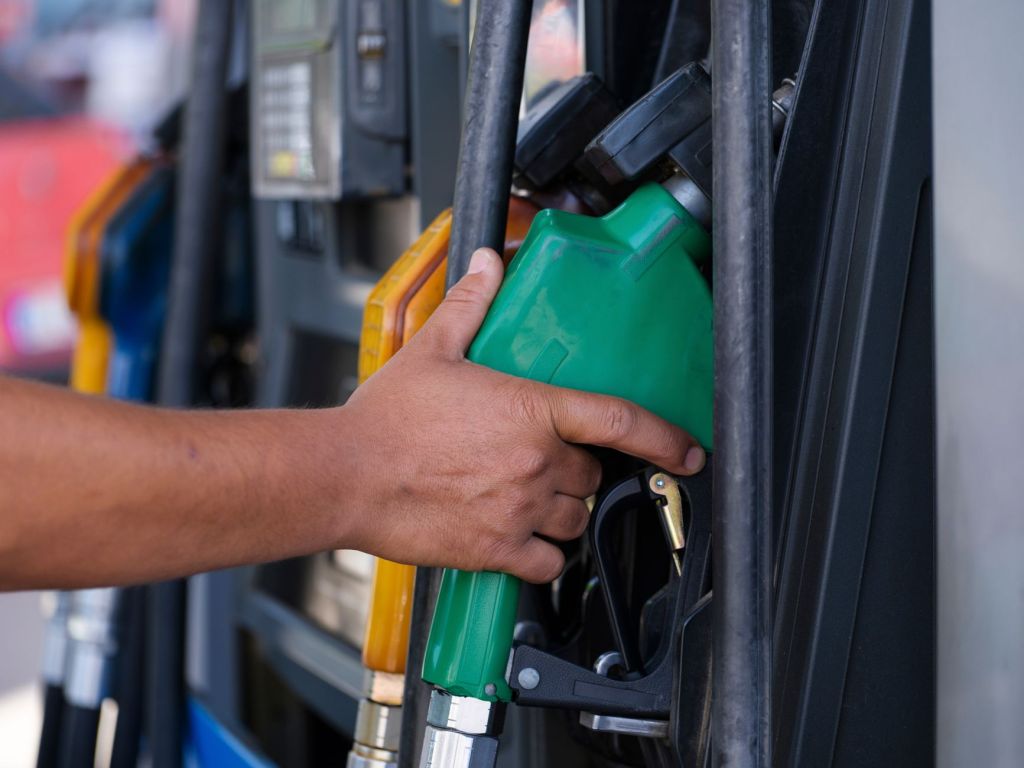
    When Donald Trump campaigned for president, he made a clear promise on energy: cut energy prices in half, and get gasoline below $2 a gallon. On October 31, 2026, the numbers tell a very different story. Regular gasoline averaged $4.18 a gallon across the United States, and diesel averaged $6.31. For drivers, truckers, and farmers, fuel is not cheaper. It is more expensive than it was a year ago.

    This matters right now because voters go to the polls for the midterm elections on November 3. Fuel prices are one of the costs people notice every week, and they feed into the price of food, flights, and almost everything that moves by truck.

    What Happened

    CNBC reported on October 31 that gasoline, diesel, and jet fuel have all risen instead of falling. The latest price data backs that up.

    Regular gasoline averaged $4.1837 a gallon on October 31. That is down from $4.2957 a week earlier and $4.4343 a month earlier, so prices have eased a little recently. But they are still well above $3.0403 a gallon on October 31, 2025.

    Diesel tells a similar story. It averaged $6.3101 a gallon on October 31, down slightly from $6.3374 a week earlier and $6.4139 a month earlier, but far above $3.6876 a year earlier.

    Jet fuel has risen even more sharply on one widely watched benchmark. The U.S. Gulf Coast spot price for kerosene-type jet fuel was $4.444 a gallon on October 27, compared with $2.250 on the same date in 2025. That is an increase of 97.5 percent. This is a regional spot benchmark, not the exact price any single airline pays, but it shows how much pressure airlines are facing.

    The original promise was ambitious. In a campaign speech on September 5, 2024, Trump said his plan would cut energy prices in half or more within 12 months of taking office, and he also promised gasoline below $2 a gallon.

    Key Figures

    • Regular gasoline, Oct. 31, 2026: $4.1837 a gallon (vs. $3.0403 a year earlier)
    • Diesel, Oct. 31, 2026: $6.3101 a gallon (vs. $3.6876 a year earlier)
    • Gasoline a week earlier: $4.2957; a month earlier: $4.4343
    • Diesel a week earlier: $6.3374; a month earlier: $6.4139
    • Gulf Coast jet fuel spot price, Oct. 27: $4.444 a gallon (vs. $2.250 a year earlier, up 97.5%)
    • Trump’s campaign promise: gasoline below $2 a gallon; energy prices cut in half

    Why It Happened

    There is no single reason fuel prices rose, and presidents do not set pump prices directly. Prices are set by a global market, and several forces pushed them up at the same time.

    First, war disrupted supply. The war involving Iran, which began in February 2026, raised fears about shipping through the Strait of Hormuz, a narrow waterway that carries a large share of the world’s oil. Attacks on energy infrastructure linked to the war in Ukraine also took fuel-making capacity offline. When crude oil and refined fuel become harder to move and make, prices usually rise.

    Second, refining capacity is tight. Refineries turn crude oil into gasoline, diesel, and jet fuel. When some refineries are shut or running below normal, there is less finished fuel to go around, even if crude oil is available. That shortage has helped push refining profits up sharply this year, a subject covered in recent earnings reports from major oil companies.

    Third, the timing worked against the promise. Cutting energy prices in half within a year would require a huge fall in global oil and fuel prices. Instead, the shocks above pushed prices in the opposite direction. Recent data shows gasoline and diesel have eased from their peaks over the past month, but that small pullback has not been enough to bring prices anywhere near $2.

    It is also worth being clear about what a president can and cannot do. A president can open up drilling, change regulations, release emergency oil reserves, or push allies to pump more. Those steps can help at the margins, but they do not control wars, global demand, or how much fuel refineries can produce.

    Related: Chevron Profit Nearly Triples to $9.9 Billion as Refining Boom Lifts Earnings

    Why It Matters

    Fuel prices hit almost everyone, but they do not hit everyone equally.

    For a driver, $4.18 gasoline means a normal fill-up costs much more than it did a year ago. For a trucking company, $6.31 diesel raises the cost of every delivery. Those costs often get passed on, which is one reason food prices and other goods can rise when fuel rises.

    For farmers, diesel powers tractors and trucks, and higher fuel costs squeeze thin margins. For airlines, jet fuel is one of the biggest expenses, so a near-doubling in a benchmark jet fuel price puts upward pressure on airfares.

    Politically, the gap between the promise and the price is hard to ignore. Energy was a central part of Trump’s pitch to voters: cheaper fuel would help bring down the cost of living. With midterms days away, voters are judging that promise against the price they see at the pump, not against the original speech.

    What Happens Next

    Three things are worth watching.

    One, whether the recent easing continues. Gasoline and diesel are both lower than they were a month ago. If supply improves and tensions ease, that trend could continue. If not, prices could rise again quickly.

    Two, whether refinery capacity comes back. More finished fuel on the market would help more than more crude oil alone, because the current squeeze is partly about turning oil into usable fuel.

    Three, what happens after the midterms. Energy policy debates often sharpen during campaigns and then shift once votes are counted. Any new steps on drilling, reserves, or trade could affect prices, but they will still have to work through the same global market.

    Final Thoughts

    This is a simple test with a clear result so far. The promise was gasoline below $2 and energy prices cut in half. The reality on October 31 is $4.18 gasoline, $6.31 diesel, and jet fuel nearly double its level from a year ago on a key benchmark.

    That does not mean prices can never fall. They already have eased a little from a month ago. But for now, the promise has not been met, and the reason is not a mystery: wars and tight refining capacity pushed a global market in the wrong direction. For households, the question is no longer about a campaign line. It is about how long they have to pay today’s prices.

    Disclaimer: This article is for educational and informational purposes only and does not constitute financial advice.

    Sources: CNBC, “Trump promised to slash energy costs — but gasoline, diesel and jet fuel all soared instead” (https://www.cnbc.com/2026/10/31/trump-gas-diesel-price-midterm-election.html); price data as reported by TokenPost, “U.S. Gasoline Averaged $4.18, More Than Double Trump’s Below-$2 Target” (https://www.tokenpost.com/news/investing/45502).

  • Cheaper Cars Are Selling Much Faster — But They Are Getting Harder to Find

    Cheaper Cars Are Selling Much Faster — But They Are Getting Harder to Find

    Introduction

    If you are shopping for a cheaper car in America right now, you are not alone — and you may be too late. New data shows affordable cars are selling much faster than they were at the start of the year. The catch is that there are not many of them to buy.

    What Happened

    Data from Edmunds, released October 30, 2026, shows that cars priced between $20,000 and $29,999 sold 20% faster in the third quarter than in the first quarter of 2026. Cars priced $30,000 to $39,999 sold about 18% faster, and cars priced $40,000 to $49,999 sold nearly 12% faster. Vehicles priced below $50,000 generally spent fewer than 60 days on dealer lots. Every price segment above $50,000 took more than 60 days to sell.

    Edmunds’ director of insights, Ivan Drury, said dealers with affordable cars in stock are “definitely noticing” the stronger demand.

    But here is the strange part: sales in some cheaper segments actually fell. Compact car sales are down roughly 4% since the beginning of 2026, and compact SUV sales are down nearly 8%, according to Cox Automotive. Cars are selling faster, but fewer of them are being sold in those segments — because there are not enough of them on the lots.

    Why It Happened

    Affordability is the main driver. The average new vehicle listed for $49,726 in September, according to Cox Automotive. With prices that high and fuel costs rising, buyers are hunting for anything cheaper. Many buyers of these fast-selling cheaper cars are first-time buyers or people buying a second car for the family, according to Edmunds.

    Supply is the other half of the story. The popular Toyota RAV4 has been in short supply as Toyota shifts production to its Kentucky factory and moves the lineup to hybrid engines. Ford discontinued the Escape to make room for an upcoming midsize electric pickup. When popular affordable models disappear or run short, the ones that remain sell quickly.

    Related reading: Ford Beats Earnings Expectations, but Warns 2027 Profit Will Be Flat

    There is also a structural shift. No compact passenger sedan is sold by an American manufacturer anymore, according to CNBC. Most are Japanese or Korean, with some German models such as the Volkswagen Jetta and Golf hatchback. The Honda Civic, Toyota Corolla and Jetta all start below $25,000, but the cheapest American options start higher — the Ford Mustang starts at $33,490 and the Tesla Model 3 at $34,990.

    Key Figures

    • $20,000–$29,999 cars: sold 20% faster in Q3 than Q1 2026
    • $30,000–$39,999 cars: sold about 18% faster
    • $40,000–$49,999 cars: sold nearly 12% faster
    • Under $50,000: fewer than 60 days on dealer lots; over $50,000: more than 60 days
    • Average new-vehicle listing price in September: $49,726 (Cox Automotive)
    • Compact car sales: down about 4% in 2026; compact SUVs: down nearly 8%
    • About 1 in 4 financed buyers took an 84-month loan in Q3, a record; nearly 3 in 10 Q3 trade-ins had negative equity

    Why It Matters

    This trend shows the pressure on ordinary buyers. When a car costs nearly $50,000 on average, people stretch to afford one — and the numbers prove it. Roughly one in four buyers who financed a purchase in the third quarter took out an 84-month loan, a record. That is seven years of payments. Nearly three in ten trade-ins in the same quarter carried negative equity, meaning buyers owed more on their old car than it was worth.

    Long loans and negative equity are warning signs. They mean buyers are paying more, for longer, to own cars that lose value. Incentives from dealers averaged about 6.6% of the average transaction price as of October, which helps a little, but it does not fix the basic problem: affordable cars are scarce.

    What Happens Next

    Analysts say the fourth-quarter data will matter a lot. Cox Automotive’s Mark Strand cautioned that the market should be graded “on a curve” until that data arrives, because supply problems may be distorting the picture. If automakers bring back more affordable models — or if supply of models like the RAV4 recovers — the fast-selling trend could ease. If not, buyers will keep competing for a small pool of cheaper cars, and loan terms could stretch even further.

    Final Thoughts

    Faster sales sound like good news, but in this case they are a sign of scarcity, not strength. When cheap cars sell in days and expensive ones sit for months, the market is telling us something simple: most people want to spend less, and they cannot find enough cars that let them. Until supply improves, affordable cars will stay the hardest ones to buy.

    Disclaimer: This article is for educational and informational purposes only and does not constitute financial advice.

    Sources: CNBC, “Cheaper cars are selling considerably faster than at the beginning of the year” (https://www.cnbc.com/2026/10/30/cheap-cars-selling-fast.html); Edmunds Q3 2026 data and Cox Automotive figures as reported.

  • How Ford, Rivian and GM Are Using 3D Printing to Build Cars Faster and Cheaper

    How Ford, Rivian and GM Are Using 3D Printing to Build Cars Faster and Cheaper

    Introduction

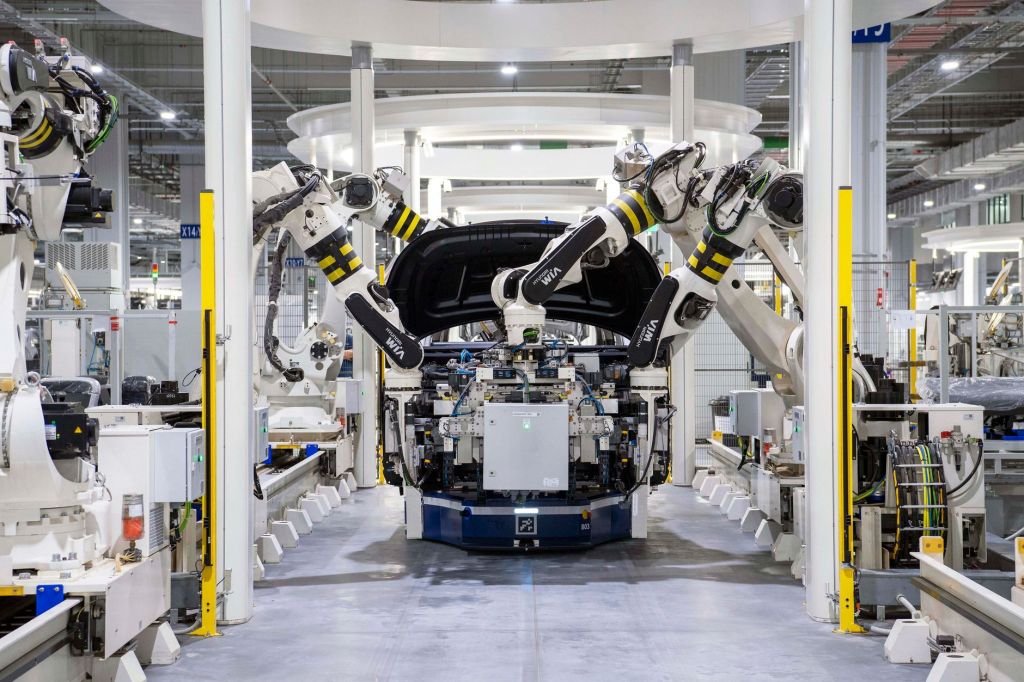
    Car factories are starting to print their own parts. Ford, Rivian and General Motors are now using 3D printing — also called additive manufacturing — for much more than prototypes. They are printing factory tools and selected production parts right on the factory floor, and the main reason is simple: speed.

    What Happened

    Rivian has spent more than $5 million on 3D-printing machines, and it spends about $1.7 million a year on printing materials. The company says the machines usually pay for themselves within a year. Parts that once took weeks to make can now be ready in days, and sometimes in hours. Rivian’s latest expansion includes machines for flexible silicone parts and a new machine bay at its plant in Normal, Illinois.

    Ford has gone even further with everyday access. The company has additive-manufacturing departments at many of its plants, including a vending machine for 3D-printed F-150 parts near Dearborn, Michigan. Workers can request parts and tools through an app. Ford expects to have 3D labs at more than 23 plants by the end of this year, with more than 200 machines in its current program. In one case, a 3D-printed part kept a production line running until a replacement from a supplier arrived.

    GM is using the technology on its most exclusive cars. Its hand-built Cadillac Celestiq uses 135 3D-printed components, and its Cadillac Blackwing sedans include printed parts such as a medallion on the manual shifter knob. GM has also expanded its use of industrial Stratasys printers, which can cost hundreds of thousands of dollars depending on the job, training and certification.

    Why It Happened

    Traditional car parts take time. A factory usually has to order a tool or part, wait for a supplier to make it, and then wait for shipping. If the part is only needed in small numbers, that wait is hard to justify.

    3D printing flips that process. A digital design goes straight to a printer on site. Engineers can test a part, change the design, and print it again the same day. For tools like jigs and brackets that help workers build cars, that speed matters more than the cost of the printer itself. As Jared Beck, Rivian’s head of additive manufacturing, put it, the company is “democratizing 3D printing for the entire company” — and while savings run “well in the millions,” speed is the main point.

    Key Figures

    • Rivian: more than $5 million spent on 3D-printing machines; about $1.7 million a year on materials
    • Rivian: machines typically pay for themselves within a year
    • Ford: 3D labs expected at more than 23 plants by end of 2026; more than 200 machines in the program
    • GM: 135 3D-printed components in the Cadillac Celestiq

    Why It Matters

    For car buyers, this is not about a single part. It is about how fast a car company can fix problems, test new ideas and keep lines moving. A factory that can print a broken tool overnight does not have to stop work while it waits for a supplier. Over time, that can mean fewer delays and lower costs — and for companies like Rivian, which is preparing its cheaper R2 SUV, lower costs are essential.

    Related: Rivian Beats Earnings Expectations as Its Cheaper R2 SUV Takes the Lead

    It also shows how manufacturing is changing. 3D printing used to be a lab tool for prototypes. Now it is a factory tool for real work. Companies are still not printing whole cars, and high-volume parts are still made the traditional way. But for low-volume parts and factory tools, printing is becoming normal.

    What Happens Next

    Expect more printers on more factory floors. Ford’s plan for 23-plus labs shows the direction, and Rivian’s new machine bay points the same way. The next test will be whether these savings show up in the companies’ results — faster production, fewer delays and lower costs per vehicle. If they do, other automakers will follow quickly.

    Final Thoughts

    3D printing will not replace traditional car factories. But it is already changing how those factories solve problems. When a part can be printed in hours instead of ordered in weeks, the whole factory moves faster. For an industry where every hour of downtime costs money, that is a big deal.

    Disclaimer: This article is for educational and informational purposes only and does not constitute financial advice.

    Sources: CNBC, “Automakers like Rivian and Ford are ‘democratizing 3D printing’ to reduce costs and increase speed” (https://www.cnbc.com/2026/10/31/automakers-3d-printing-ford-rivian-gm.html); Stratasys/Rivian factory-floor reporting on the F870 platform adoption.

Is this your new site? Log in to activate admin features and dismiss this message
Log In